
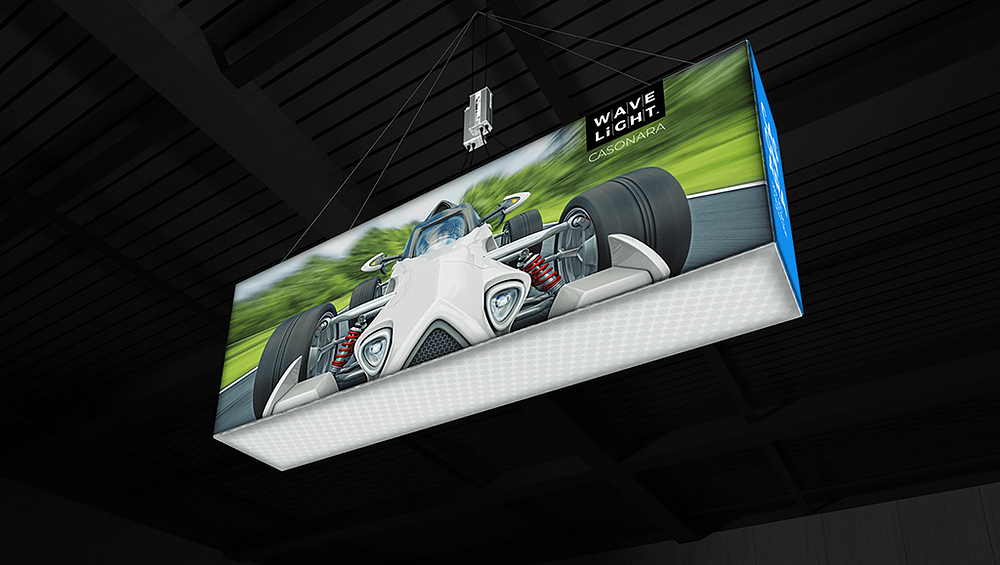
Australia’s event industry increasingly relies on suspended signage and décor to cut through visual clutter, yet many organisers still underestimate the importance of rigging rules for safe hanging displays. When loads are flown above crowds, small mistakes can have serious safety, legal and reputational consequences. Robust rigging standards give event managers, venues and exhibitors a clear framework for designing, installing and signing off overhead features with confidence.
The Importance of Rigging Rules for Safe Hanging Displays
Clear, documented rigging rules for safe hanging displays start with accurate engineering. That means understanding load limits for trade show rigging, the structural capacity of the building, and how multiple elements interact once they are in the roof. Australian WHS duties and venue rules for suspended banners require this work to be handled by competent riggers who can produce plans, calculations and sign-off documentation long before trucks arrive at the dock.
1. Preventing Dangerous Overloading of Structures
Overhead Trade Show Displays, truss grids and large-format signage can quickly overload a beam if weights are guessed rather than calculated. Professional rigging design ensures every component is rated, every point load is documented and no single fixing is pushed beyond its safe working limit. Venues increasingly specify approved hanging points in exhibition halls, making it essential to coordinate design, engineering and production early in the planning cycle.
2. Reducing the Risk of Falling Objects
Falling panels, lighting fixtures or Hanging Exhibition Displays can cause serious injuries and immediate event shutdowns. Rigging safety for hanging displays relies on secondary safeties, correctly sized shackles and clearly identified fixing points in both truss and building steel. Regular rigging inspections before events, along with photographic records and sign-off sheets, provide a defensible safety trail if regulators review incident controls.
3. Supporting WHS and Venue Compliance
Major Australian venues now insist that complex Hanging Banners and Suspended Fabric Banners are installed by ticketed riggers under formal permit-to-work systems. These processes link ceiling height for overhead signage, access methods, and fire code compliant fabric graphics into a single risk-managed workflow. When rigging rules are followed, organisers can demonstrate due diligence and avoid last-minute redesigns triggered by non-compliant concepts.
4. Improving Installation Efficiency and Event Delivery
Well-written rigging rules for safe hanging displays do more than keep people safe; they streamline build schedules. Pre-approved rigging plots, standard hardware choices and clear sightlines for overhead branding cut delays and rework on the show floor. Crews arrive knowing exact locations, weights and hardware, reducing time at height and helping complex exhibition programs open on time, even with multiple simultaneous installs.
- Clarify design constraints early using venue-specific rigging manuals.
- Confirm engineering for all flown elements above agreed weight thresholds.
- Schedule pre-rig days where large grids or arrays are required.
- Coordinate lighting, audio and branding to share structures safely.
- Engage specialist rigging partners for complex or multi-venue tours.
If you’re planning new Overhead Trade Show Displays or upgrading an existing stand package, partnering with rigging specialists can de-risk your project and protect your brand. A professional provider can align creative concepts with structural realities, venue rules and WHS obligations, while still delivering high-impact visual results. For compliant rigging design, engineering sign-off and installation support across Australian venues, book a consultation with our team and turn your next exhibition into a safe, standout success.


