
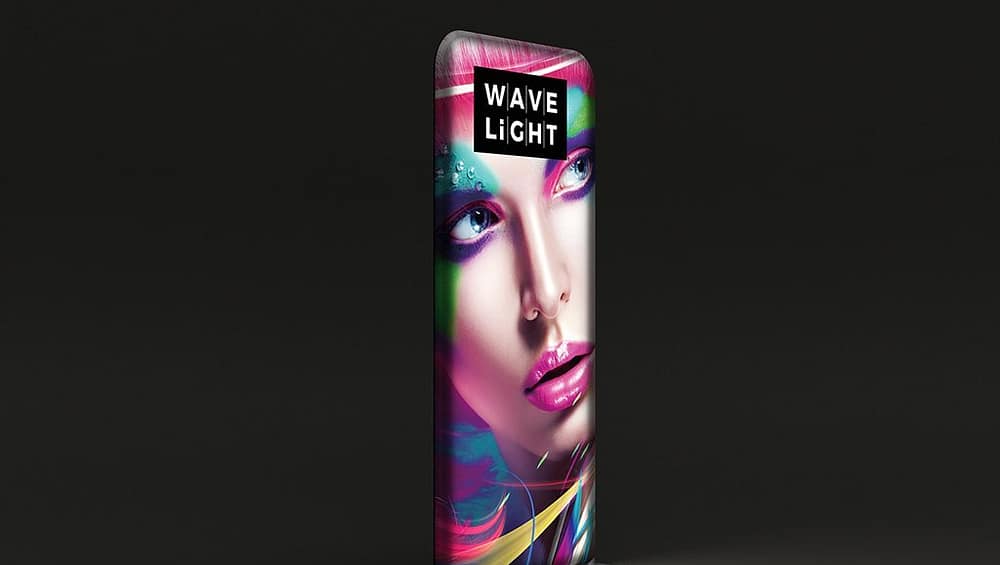
Choosing the right colour temperature for fabric displays is now a strategic decision for Australian retailers, exhibitors and visual merchandisers. The impact of colour temperature on fabric display effectiveness can influence how audiences perceive product quality, brand consistency and even price positioning. With Backlit Fabric Displays, Lightbox Fabric Banners and other illuminated systems becoming standard in fitouts and events, understanding how light affects printed fabric is essential for any brand investing in visual communications.
The Impact of Color Temperature on Fabric Display Effectiveness: 5 Ways It Drives Results
For brands relying on fabric graphics to tell their story, colour temperature is a hidden performance lever. From neutral white fabric lightboxes in-store to LED Exhibition Lightboxes on the show floor, the right balance of warmth and coolness can sharpen detail, stabilise colour and shape shopper behaviour. Get it wrong and even premium textiles can look flat, off-brand or dated. Get it right and every illuminated surface works harder to attract, inform and convert.
1. Securing Accurate Brand Colours and Print Consistency
Brand managers know that even small shifts in colour can undermine trust. Neutral white lighting around 3500K–4000K, paired with high-CRI LED fabric displays, helps logos, gradients and skin tones appear natural and repeatable across locations. This is especially important for color temperature for backlit graphics, where the light source sits directly behind the print. Consistent illumination reduces disputes at point of sale, cuts returns and makes national rollouts less risky for marketing teams.
2. Making Textures, Details and Photography Pop
Fabric systems often carry high-resolution photography, subtle gradients and intricate weaves that can disappear under poor lighting. Cooler colour temperatures typically enhance perceived sharpness, helping fine text, pattern repeats and product details stand out from a distance. In trade show aisles and retail thoroughfares, that extra clarity gives Illuminated Fabric Banners and soft glow retail fabric walls a competitive edge. It can be the difference between a passing glance and a meaningful stop.
3. Shaping Shopper Mood with Warm and Cool Zones
Warm vs cool trade show lighting is no longer just a stylistic choice; it is a behavioural tool. Warmer tones in lifestyle zones encourage slower browsing, storytelling and brand immersion, while cooler light suits comparison areas, specs-driven messaging and price boards. Daylight-balanced exhibition displays can bridge the two, keeping colours honest while still feeling approachable. Thoughtful zoning helps guide visitors naturally from awareness to decision, using fabric graphics as visual anchors along the way.
4. Future-Proofing with Tunable and Seasonal Lighting Strategies
Australian venues, from shopping centres to convention halls, are increasingly adopting tunable LED backlit signage. These systems let visual merchandisers adjust colour temperature by time of day, season or campaign theme without reprinting graphics. A winter sale might call for cooler, crisper light, while a summer launch leans on warmer, relaxed tones. For brands investing in Lightbox Fabric Banners at scale, tunable control protects that investment as creative directions evolve.
- Match colour temperature to brand personality and target audience expectations.
- Specify minimum CRI levels for all illuminated fabric installations.
- Test proofs under final lighting, not just office fluorescents or daylight.
- Plan different colour temperatures for inspiration, browsing and decision zones.
- Audit existing colour-consistent illuminated backdrops for off-brand shifts or ageing LEDs.
For retailers and exhibitors under pressure to justify every square metre of visual real estate, colour temperature is a controllable variable that delivers measurable gains. Whether you are reviewing neutral white fabric lightboxes for a new store, upgrading LED Exhibition Lightboxes for a national roadshow or planning a suite of daylight-balanced exhibition displays, expert guidance will help you avoid costly missteps. Speak with a specialist lighting and print partner to audit your current setups, optimise your specifications and design fabric display programs that convert attention into enquiries and sales.


