
Fabric Banners: A Comprehensive Guide for Event Organisers
In Australia’s event economy, banner decisions are no longer about décor; they are strategic choices that influence logistics, sustainability credentials, digital reach, and sponsor value.
Why Fabric Banners Matter for Modern Events
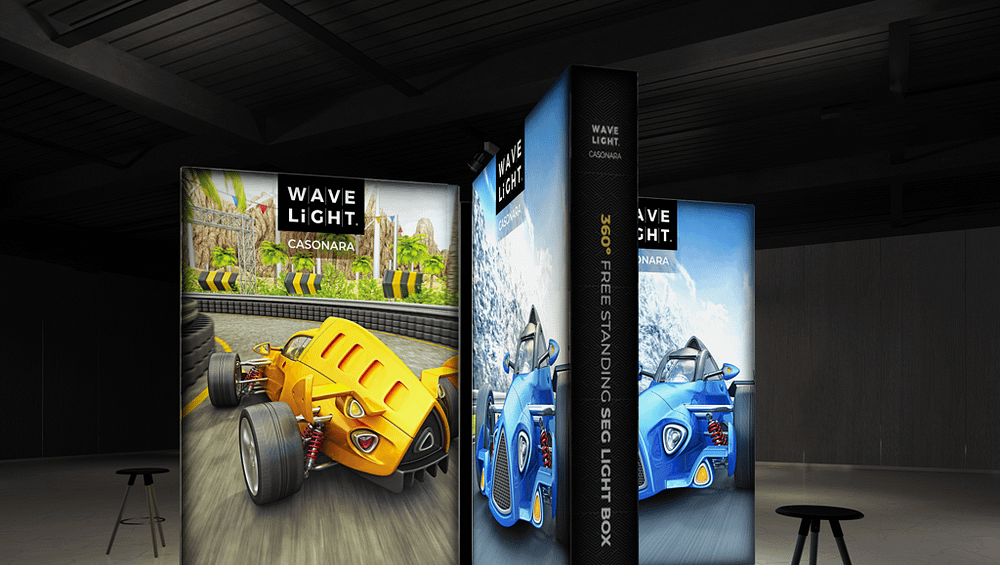
For Australian organisers under pressure to deliver high-impact, low-friction experiences, Fabric Banners have become a default choice. Their dye-sublimated printing produces saturated colour with minimal glare under stage and broadcast lighting, ensuring logos remain crisp across cameras and social feeds. Because they are lightweight and foldable, they cut freight costs and simplify bump-in compared with rigid boards. This mix of visual quality and operational efficiency is why leading conferences, festivals, and touring roadshows now treat fabric as core infrastructure, not a nice-to-have.
Designing Fabric Signage as a Strategic Asset
Thoughtful design turns fabric signage into an adaptable asset rather than a single-use expense. Start with evergreen brand backdrops that can anchor stages, media zones, and registration areas for several seasons. Layer campaign-specific messaging using Portable Fabric Displays, smaller decals, or digital overlays to minimise reprints. Consider how layouts translate across Fabric Exhibition Banners, fabric step and repeat walls, and curved tension fabric backdrops so photography looks cohesive. This systems mindset reduces approval cycles, protects brand consistency, and keeps visual noise in check for delegates and sponsors.
Sustainability, Risk, and Total Cost of Ownership
The shift away from PVC is accelerating as venues, sponsors, and attendees scrutinise environmental claims. Recycled polyester, washable reusable fabric graphics, and modular fabric banner walls support reduced landfill and lower freight emissions, particularly for national event series. From a risk perspective, organisers must still interrogate fire ratings, WHS compliance, and hardware stability for indoor and outdoor applications. When budgeting, compare whole-of-life cost: double sided fabric event signage, backlit fabric display systems, and hanging fabric exhibition signs frequently outperform cheaper, disposable PVC over a busy event calendar.
Forward-looking event teams are now mapping banner ecosystems across entire portfolios. They standardise lightweight portable banner stands and Tension Fabric Displays that can be reconfigured for plenaries, expo floors, and sponsor activations. They also partner with suppliers capable of national distribution, tight turnarounds, and end-of-life take-back. By treating Fabric Banners as strategic infrastructure—planned alongside programming, digital content, and stakeholder expectations—organisers create environments that are visually consistent, operationally efficient, and defensible from a sustainability standpoint.


