
The Impact of Color Temperature on Retail Lighting Choices in 2026
The impact of color temperature on retail lighting choices in 2026 is becoming a decisive factor in how Australian stores compete, differentiate and convert. As rising costs, e-commerce pressure and stricter energy standards collide, lighting is shifting from background utility to strategic asset. Retailers now recognise that the right colour temperature can influence dwell time, perceived value and even how accurately products are judged on the shelf or in the fitting room.
For multi-site chains and independent operators alike, the challenge is no longer simply “LED versus fluorescent”. It is about making informed, data-backed choices on colour temperature by zone, time of day and merchandise category. Those who get it right create environments that feel intuitive, on-brand and commercially effective; those who do not risk flat displays, confused wayfinding and lost sales.
Why colour temperature is now a commercial decision
Colour temperature, measured in Kelvin, is emerging as boardroom conversation because it directly shapes customer behaviour and brand perception. Warm white light in the 2700K–3000K range is being used to foster comfort in lounges, footwear areas and hospitality adjacencies, encouraging shoppers to slow down and explore. Cooler tones between 4000K–5000K, by contrast, are favoured where clarity, hygiene and high visibility matter, such as pharmacy aisles and self-checkout zones.
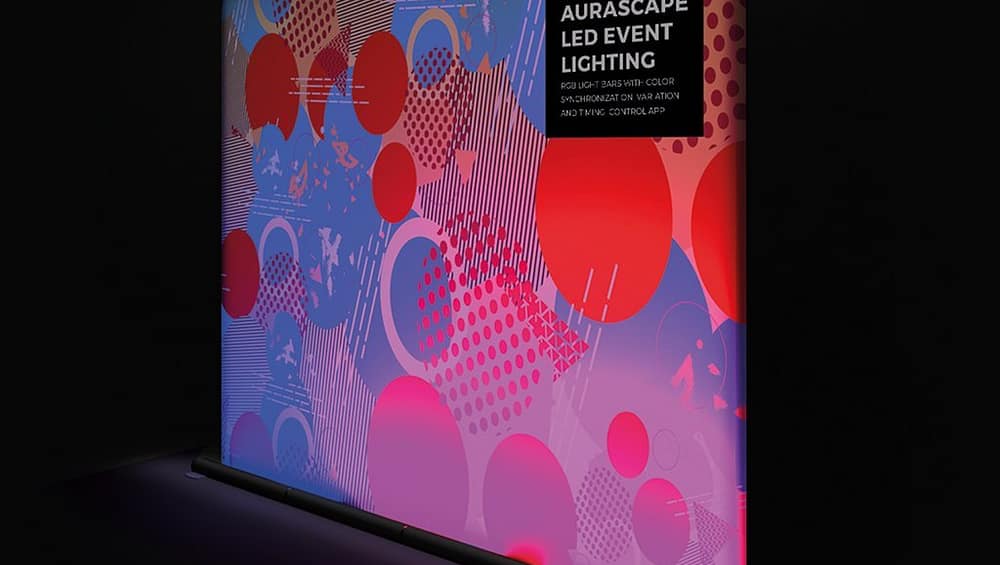
Neutral white trade show lights around 3500K–4000K demonstrate how balanced colour temperature supports visual accuracy without feeling harsh, and the same principle now underpins many fashion and beauty interiors. In supermarkets, operators increasingly vary colour temperature by department: warmer over bakery and fresh produce, cooler over refrigeration and centre aisles. This nuanced use ensures packaging remains legible while food looks appetising and fresh.
Trends reshaping Australian retail lighting in 2026
By 2026, LED is firmly entrenched as the standard across Australian shopping centres and high streets, but the frontier has moved to control and adaptability. Tunable systems and adjustable kelvin display fixtures allow retailers to shift colour temperature between campaigns, seasons or even days of the week without replacing hardware. This flexibility is particularly prized in flagship locations and high-rent CBD sites where merchandising changes frequently.
Human-centric lighting principles are also entering mainstream practice. Many centres are experimenting with cooler light during busy daytime trading, then subtly warming tones in the late afternoon and evening to support a more relaxed, hospitality-like feel. At the same time, sustainability expectations are forcing operators to do more with less, pairing high-efficacy luminaires with sensors and scheduling so they can fine-tune both colour temperature and energy consumption.
- Define clear lighting objectives linked to sales, dwell time and brand positioning before specifying fittings.
- Standardise colour temperature ranges across the portfolio to avoid fragmented, ad-hoc purchasing.
- Use high-CRI LEDs to ensure garments, cosmetics and fresh food read accurately under in-store lighting.
- Trial tunable and USB-powered banner edge lights in key promotional bays before wider rollout.
- Engage lighting specialists early so Exhibition Display Lighting and permanent retail installs align technically and visually.
In 2026, the retailers winning the in-store battle are those treating colour temperature as a data-driven design tool, not a last-minute aesthetic choice.
Aligning colour temperature with brand and formats
For many Australian brands, the immediate priority is aligning colour temperature with a clearly defined identity across very different store formats. Luxury and boutique sites generally lean towards warmer schemes that flatter skin tones and materials, while convenience, electronics and healthcare operators adopt cooler, crisper light to signal efficiency and precision. The same thinking is extending into Exhibition Display Lighting, where retailers demand that pop-up activations match the in-store visual language.
Within the box, layered strategies are replacing uniform grids of downlights. Accent beams, warm spotlight banner rails and LED exhibition shelf lighting are used to pull focus to new releases or hero margins, often with a slightly warmer or cooler tone than the ambient field. Technology categories are experimenting with retail tablet-ready light rails and monitor-integrated trade show shelving concepts in-store, blending digital content with precisely tuned illumination to drive interaction.
Common pitfalls and how specialists add value
Despite better technology, many stores still struggle with inconsistent or poorly planned colour temperature, particularly after partial refurbishments or rapid rollouts. Mixing legacy fittings with new LEDs can create jarring shifts in tone within the same sightline, making merchandise appear dull or even mismatched. A similar issue arises when operators specify very cool light across fashion floors, which may increase brightness but flatten fabrics and highlight imperfections.
Another trap is locking into non-tunable, single-Kelvin systems that offer no room for adjustment as merchandising strategies evolve. Here, suppliers such as Banner Lighting & Accessories are increasingly engaged to conduct audits, rationalise fitting types and introduce adaptable solutions like color temperature banner lighting or adjustable kelvin display fixtures. The goal is not just visual improvement but a structured roadmap that connects capital spend to measurable commercial outcomes.
For retailers juggling permanent stores with travelling stands, Trade Show Display Accessories and Banner Display Accessories now form part of the same specification conversation. Ensuring portable systems share similar colour temperature profiles with core stores protects brand coherence, whether the customer encounters the range in a mall, a pop-up or a convention centre activation.
To build a future-ready plan, many operators start with pilot zones where tunable systems, sensors and app-based control can be tested against KPIs such as basket size, dwell time or staff feedback. Insights from these trials then inform network-wide standards that balance warm and cool cues, merchandising needs and Australia’s tightening energy performance requirements.
To move from ad-hoc upgrades to a coherent strategy, retailers can benefit from engaging a specialist who understands both design and compliance. A targeted consultation can map current assets, identify quick wins and shape a staged roadmap that supports brand consistency, shopper comfort and long-term operating savings.


