
Portable Counters vs. Traditional Displays: What’s Best for You?
1. Clarify Your Event Goals Before You Invest
When weighing portable counters vs. traditional displays, start with your event strategy. Are you testing new markets with regional roadshows, or anchoring a flagship stand at a major Sydney expo? Portable Display Counters suit agile brands trialling different formats and venues across Australia. Traditional builds are better for organisations committed to recurring, high-profile events where a large, permanent-feeling presence is essential. Map out your next 12–24 months of activity before locking in your display mix.
2. Compare Logistics, Storage and Set-Up Time
Transport and storage quickly erode event budgets. Lightweight counters for small booths can be packed into a car, reducing freight costs, labour needs and bump-in delays in busy CBD venues. By contrast, large custom stands usually need installers, trucks and warehouse storage between shows. If your team runs multiple events with rotating staff, portable counters for demos and product sampling will keep logistics manageable. Consider who will physically move and assemble your kit before choosing a solution.
3. Weigh Up Brand Impact and Visitor Flow
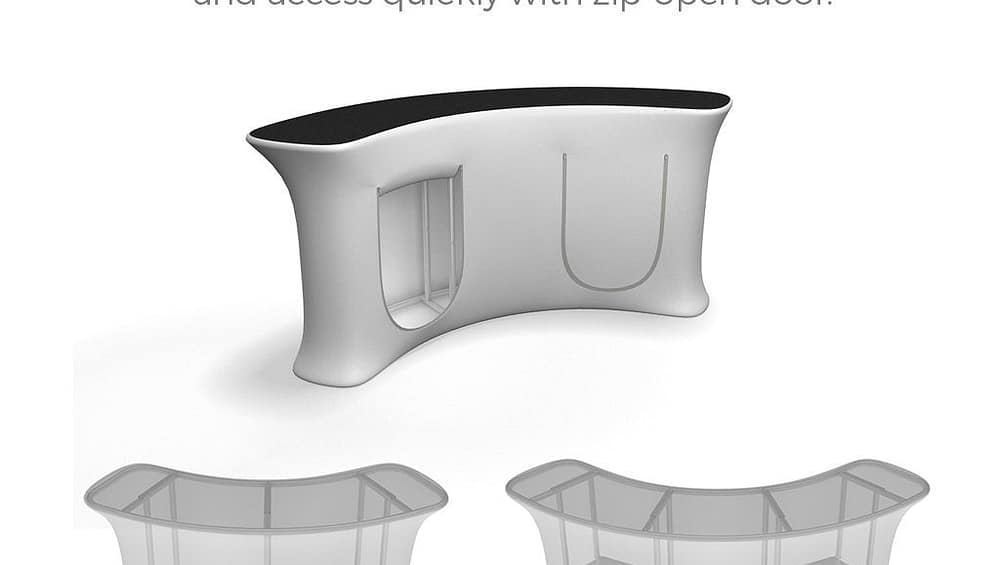
Traditional displays excel when you need immersive spaces with integrated lighting, AV and bold exhibition reception counter layouts that stand out on a busy show floor. They help guide visitors through demos, meetings and hospitality areas. Modern portable solutions, including Counters & Cases with curved profiles and premium finishes, now deliver highly professional front-of-stand impact. Combined with visitor-facing product display counters and banners, they can stop traffic without the price tag of a full custom build.
4. Consider Budget, Lifespan and ROI
For SMEs and start-ups, Exhibition Counters offer a lower entry point and faster payback, especially when graphics can be refreshed each campaign. Modular counter and display systems let you reconfigure layouts for different venues instead of buying new hardware every season. Traditional stands demand higher upfront investment but can work well for stable brands attending the same major expos annually. Factor in under-counter storage in exhibition stands, maintenance, and any lockable trade show cases you may need for products or tech.
5. Plan for Flexibility as Your Strategy Evolves
Event formats in Australia are shifting, from boutique conferences to outdoor activations. Portable greeting and check-in counters allow your team to adapt quickly to new venues, stand sizes and visitor flows. Portable counters vs. traditional displays is rarely an either–or decision; many marketers blend a hero structure with smaller Trade Show Display Cases and portable counters for satellite events. If your calendar is in flux, portable counters for demos and engagement will future-proof your investment and keep lead generation strong.
- Audit your next 12–24 months of events, including size, location and target audiences.
- Estimate total logistics costs for both portable and traditional display options.
- Define how many staff will handle install and pack-down at each show.
- List your content and product demo needs across different event formats.
- Decide where a premium hero presence is essential and where portability matters more.
To choose the right blend of portable counters vs. traditional displays for your Australian event calendar, speak with a specialist display partner who understands local venues and regulations. A tailored plan can balance impact, flexibility and cost while supporting your lead targets. If you’re ready to map out your next season of shows, request a consultation and quote today to design a display solution that works as hard as your team on the floor.


