
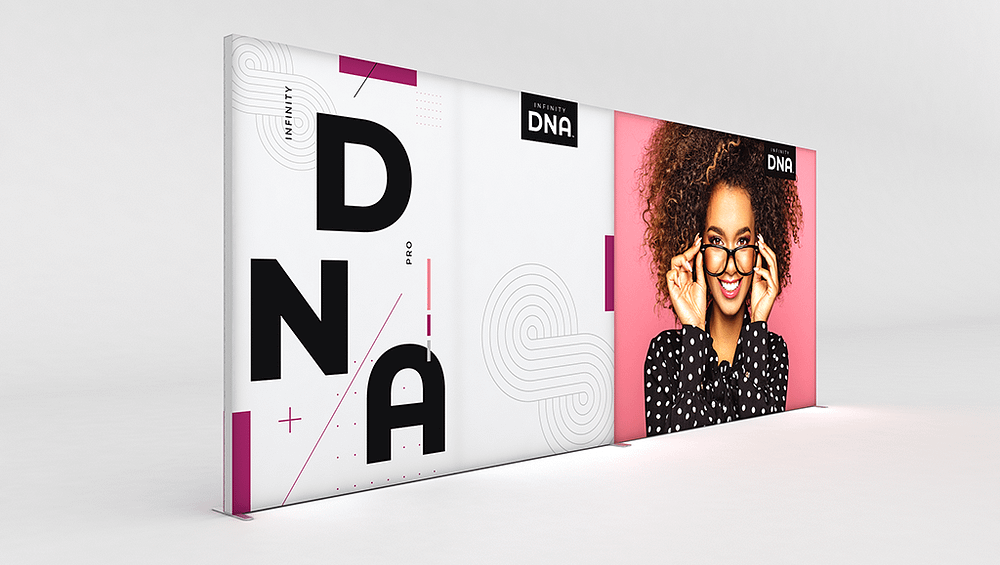
Utilizing Fabric Banners for Effective Brand Storytelling
In Australia’s rapidly evolving experiential marketing landscape, Fabric Banners are shifting from functional signage to strategic storytelling assets. As precinct activations, pop-ups and hybrid events proliferate, brands are under pressure to turn every surface into a narrative touchpoint, not just a logo dump. Thoughtful use of fabric enables richer colour, softer finishes and large format fabric visuals that feel curated rather than cluttered. This more tactile, cinematic canvas helps organisations embed brand meaning into physical space and create memory anchors that digital campaigns alone rarely achieve.
Why Fabric Banners matter for modern brand storytelling
The stakes for physical storytelling have risen as foot traffic returns to CBDs, campuses and venues across Australia. Marketers are shifting budget into environments where people linger, compare and share, demanding more than standard pull-ups. In this context, Fabric Banners outperform rigid substrates by absorbing light, reducing glare and supporting seamless tension fabric backdrops that photograph beautifully for social. When planned as a family of assets, they support consistent narratives from street frontage to point of sale, giving brands greater control over how a story unfolds across a site.
Designing fabric signage that communicates a clear narrative
Strategic design begins with a disciplined narrative, not a layout. Leaders should define the single idea each banner must convey in under three seconds, then ruthlessly edit copy and visual noise. Custom printed fabric graphics allow subtle gradients, texture and detail, but hierarchy still matters more than decoration. Use negative space, legible type and a tight colour system that aligns with your broader spatial branding. Consider complementary assets such as double-sided fabric display walls or lightweight portable banner systems to present variations of the same story for different audience needs.
Integrating banners into the customer journey
Advanced brands map their full customer journey, then assign a clear role to every banner: attract, orient, educate or convert. Tension Fabric Displays can introduce the overarching brand promise at entry, while Fabric Exhibition Banners highlight hero products or partnerships deeper inside a space. Modular fabric exhibition kits and reusable fabric trade show stands help maintain consistency from roadshows to conferences. By treating fabric banner storytelling examples as a testbed, marketers can iterate messages and placements quickly, using observed behaviour and digital engagement data to refine the journey.
Production and sustainability decisions now carry reputational weight in the Australian market. Selecting durable, recyclable textiles and Portable Fabric Displays that can be re-skinned extends asset life and supports ESG commitments. Smart teams design systems where frames, hardware and messaging can all adapt, rather than locking into single-use builds. When leaders view their fabric program as an evolving platform rather than a cost line, they unlock opportunities for ongoing narrative experimentation. To reassess your current environment, review how your spatial branding, including Fabric Banners, is performing against your core story and engagement goals, and consider speaking with a spatial branding specialist to map a more coherent, data-informed approach.


