
WaveLight® Tension Fabric Banners: A Comparison with Vinyl Displays
Across Australian exhibitions, events and retail spaces, many marketers still lean on vinyl banners without questioning whether they are quietly limiting brand impact. WaveLight® Tension Fabric Banners highlight how far display technology has advanced, combining slim frames, illumination and rich colour reproduction. The real issue is not simply that vinyl looks dated; it is that legacy materials can blunt visibility, reduce engagement and waste marketing budget. Recognising these weaknesses early is crucial before another exhibition cycle locks in the same underwhelming results.
Why the choice of banner material matters in Australia
For local brands competing at venues like ICC Sydney or the Brisbane Convention & Exhibition Centre, the display wall often acts as a first impression. Harsh indoor lighting, tight installation windows and constant transport between states expose the limits of vinyl. Creases, glare and colour fade become more obvious under spotlights and in event photography. By contrast, modern tension banner solutions using backlit fabric are designed to cope with these conditions, offering a cleaner, more contemporary canvas for messaging and product visuals.

How WaveLight® Tension Fabric Banners work
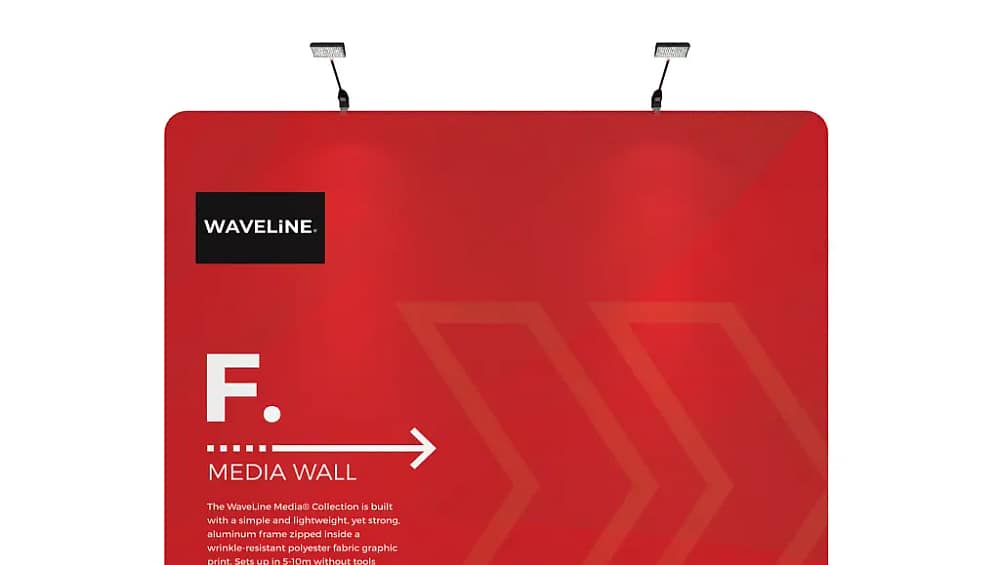
WaveLight® Tension Fabric Banners pair aluminium tube display frames with dye-sublimated fabric skins stretched tight for a smooth, wrinkle-resistant finish. Integrated LED lighting washes evenly across the surface, avoiding the hotspots that plague older lightbox units. Because these systems are engineered as portable display systems, they break down into compact cases and assemble without tools. For teams juggling interstate roadshows, the combination of tool-free tension fabric stands and lightweight components can significantly cut labour, freight and on-site stress.
- Vinyl banners creasing in transit and never hanging completely flat at events.
- Glossy surfaces reflecting camera flashes and venue lights, ruining photos.
- Bulky hardware that is hard to fit into cars, utes or event freight cages.
- Frequent reprints due to scuffs, edge tears or visible cracking of the print.
- Stands looking dull beside illuminated backlit tension fabric displays on neighbouring booths.
These warning signs often emerge slowly, so teams attribute poor stand performance to product or messaging rather than infrastructure. Yet staff feedback about low walk-up traffic, flat-looking photography or constant repairs is usually a sign that current systems are falling behind competitors’ custom fabric displays. In industries such as tech, education and property, the gap is pronounced as more exhibitors adopt stretch fabric graphic backdrops that photograph well and support digital campaigns. Ignoring this shift risks brands blending into the background of every show.
Illuminated lightweight fabric trade show displays are also reshaping visitor expectations. Industry reports indicate that backlit signage can significantly improve recall compared with non-illuminated graphics, especially in crowded aisles. When neighbouring stands use reusable trade show banner kits and portable exhibition banner systems with clean, even lighting, older vinyl appears tired by comparison. Wavelight Tension Fabric Banners sit within this broader evolution, offering wrinkle-resistant fabric signage that can be reused across multiple seasons instead of being treated as semi-disposable.
Ultimately, sticking with vinyl without review can lock organisations into higher long-term costs, weaker visibility and missed engagement. Before planning the next trade show or national roadshow, it is worth auditing your current mix of banners and portable display systems for the red flags outlined above. If multiple issues resonate, consider speaking with a display specialist about modern backlit tension fabric displays and more sustainable options. Taking expert advice now can prevent another year of underperforming stands and help ensure your next event investment works harder for your brand.


