
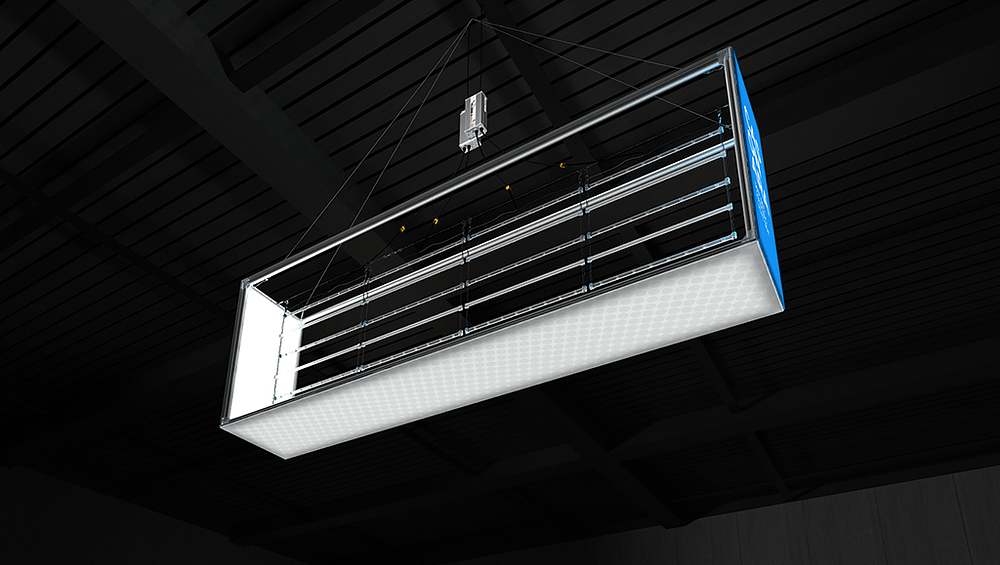
Designing Effective Overhead Displays for Maximum Visibility
Designing effective overhead displays for maximum visibility is increasingly critical in Australian retail, exhibitions and large venues where competition for attention is fierce. When signage is planned strategically, it turns underused ceiling space into a powerful communication layer that guides crowds, boosts navigation and supports sales. For brands, the core challenge is ensuring messages can be seen, understood and acted on quickly by people in motion. That means paying close attention to height, sightlines, typography, lighting and materials, alongside safety and compliance requirements.
Why overhead visibility matters for modern venues
In busy shopping centres, hardware warehouses and stadium concourses, overhead visibility determines whether a sign works or is simply ignored. Clear, well-positioned displays help customers find key touchpoints such as customer service desks, click & collect areas and amenities without staff intervention. Retailers and exhibitors also rely on elevated messaging to highlight new product zones, seasonal promotions and key partners. When planned as a system rather than one-off pieces, overhead communication improves wayfinding, reduces frustration and keeps foot traffic flowing.
Planning your overhead display strategy
An effective overhead program starts with mapping the environment and defining what each sign needs to achieve. Observing real traffic flows, from entry points to bottlenecks, reveals where people hesitate or search for information. These decision points are prime locations for large format overhead wayfinding that can be understood at a glance. In an exhibition hall, for example, Overhead Trade Show Displays can act as beacons, pulling visitors to your stand long before they notice any floor-level collateral. In large-format retail, overhead markers for departments and services become anchor points that regular shoppers learn to trust.
- Clarify whether each sign is for wayfinding, zoning, promotion or brand reinforcement.
- Position displays where natural sightlines converge, not where space happens to be available.
- Account for average viewing distance to set letter heights and panel sizes.
- Consider double sided hanging booth signs for aisles with two-way traffic.
- Plan for future campaigns so hardware, such as lightweight suspended fabric structures, can be reused.
The most effective overhead display systems behave like landmarks: instantly recognisable, easy to scan at distance and completely predictable from one venue or store to the next.
Design principles that drive visibility and response
Once placement and purpose are defined, design decisions determine whether your message is legible from real-world viewing distances. In most indoor retail environments, overhead displays perform well at roughly 2.4 to 3 metres, while exhibition halls and arenas often demand significantly higher installs. Angling panels towards the dominant approach path improves readability compared with flat, horizontal rigs. Typography, contrast and copy length also matter: clear sans-serif fonts, high-contrast colour pairings and concise wording consistently outperform busy, decorative layouts packed with messages.
For brands exhibiting at major events, solutions such as Hanging Exhibition Displays and Suspended Fabric Banners can create a strong visual presence without sacrificing clarity. Simple, bold branding combined with clean directional cues helps visitors orient themselves in crowded halls. Where stands are open on multiple sides, an island booth hanging header or custom shaped ceiling banners can provide a consistent top-line identifier visible from several aisles away. The aim is always the same: ensure people know who you are, where you are and what you offer before they reach your stand.
Materials, compliance and sustainability considerations
Above-head communication brings additional responsibilities around engineering, installation and venue rules. Loads must be certified, fixings rated and designs checked against venue compliant overhead signage requirements, which can differ between shopping centres, convention venues and stadiums. For brands working across multiple locations, standardised hardware paired with site-specific fixing plans keeps risk under control. In older or heritage buildings, the structure may limit fixing points, making fabric-based systems and modular frames a practical option.
Material choices also shape both sustainability and total cost of ownership. Many Australian organisations now favour reusable frames with re-skin graphics to minimise waste between campaigns. Options such as ceiling mounted trade show graphics in aluminium frames allow quick pack-in and pack-out while meeting safety standards. Where roof heights are significant, high ceiling exhibition display ideas often combine larger graphic fields with lighter substrates to reduce load. For outdoor concourses and semi-open spaces, UV-stable inks, robust fabrics and weatherable hardware protect colour and legibility over longer periods.
For retailers and exhibitors seeking consistent brand presence, solutions like Hanging Banners remain a practical backbone for national rollouts. These systems can be adapted into venue compliant overhead signage with tailored fixing plans.
When the time comes to brief a specialist, bring floor plans, photos of the space, venue guidelines and any existing brand standards. This information allows your provider to recommend suitable structures, from custom shaped ceiling banners to venue compliant overhead signage that meets engineering requirements. A partner experienced in both design and fabrication can flag potential clashes early, such as HVAC ducts, lighting rigs or restricted fixing zones, before they become costly problems on site.
Ultimately, designing effective overhead displays for maximum visibility is about more than hanging graphics in the air. It requires thoughtful planning, evidence-based design and disciplined execution to turn ceiling space into a reliable driver of navigation, brand presence and revenue. If you are planning a new fit-out, exhibition program or national rollout and want overhead displays that work as hard as your floor space, speak with our team of specialists to review your site, refine your strategy and request a tailored quote today.


