
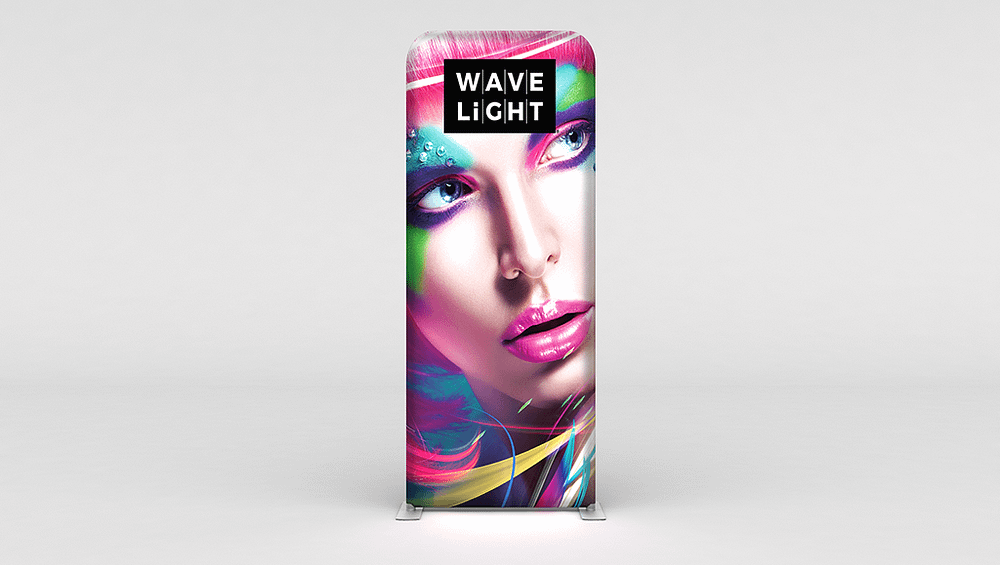
How to Create High-Impact Visuals with Fabric Displays is rapidly becoming a priority for Australian marketers facing tighter budgets and higher expectations for brand experiences. Across exhibitions, retail environments and pop-up activations, fabric solutions are replacing traditional rigid signage with lighter, more versatile systems that still deliver premium visual impact. For teams tasked with lifting visibility, generating leads and driving in-store sales, the key is understanding how to plan, design and execute fabric-based campaigns that work in real-world conditions.
How to Create High-Impact Visuals with Fabric Displays
At the heart of modern event and retail strategies is the question of how to create high-impact visuals with fabric displays that can travel easily while still looking bespoke. Dye-sublimation printing on tensioned fabric allows brands to achieve rich colour, sharp detail and large-scale storytelling without heavy structures or complex installs. This combination is particularly valuable for national campaigns that need to move between convention centres, shopping centres and brand activations with minimal downtime. Because graphics are lightweight and machine-washable, marketers can rotate creative by season, audience or location without rebuilding entire stands or refitting stores.
Why Fabric Visuals Are Dominating Events and Retail
In venues from ICC Sydney to Brisbane Convention & Exhibition Centre, fabric has become the default solution for impactful signage and exhibition architecture. The lack of glare and reflections compares favourably with traditional gloss panels, especially under strong venue lighting. For retailers, slimline frames, retail window fabric lightboxes and fabric feature walls create a more contemporary aesthetic that aligns with premium brand positioning. Visual merchandising studies showing 10–20 per cent sales uplifts from strong in-store displays have only heightened interest in flexible systems that can be refreshed quickly. Fabric also supports sustainability goals by reducing shipping weight and enabling component reuse over multiple campaigns.
- Lightweight aluminium frames that reduce freight costs and manual handling risks
- Tool-free assembly that speeds up install and pack-down at trade shows
- Machine-washable graphics that make national rollouts and refreshes more practical
- Compatibility with Backlit Fabric Displays and LED-based systems for higher impact
- Modular components that adapt to different stand sizes and retail footprints
The most effective fabric environments are planned around audience movement and decision points, not just graphic sizes and stand layouts.
Planning and Lighting for Maximum Impact
Planning begins with clarity around objectives: brand awareness, lead capture, product launch or wayfinding all demand different layouts and messaging approaches. Mapping how visitors enter, pause and exit your space allows you to position bold branding in the first three to five seconds of view, then layer in product detail, demos or digital interactions. This is where integrating Lightbox Fabric Banners becomes critical, as their even illumination acts as a visual anchor from across a busy hall. For more complex builds, marketers are combining LED Exhibition Lightboxes with physical product displays, sampling areas and interactive screens to guide visitors deeper into the story. In retail, careful placement of illuminated fabric near key sightlines can pull shoppers from mall corridors into store environments.
Designing Fabric Graphics That Drive Engagement
Designing specifically for fabric, rather than repurposing digital or print artwork, can mean the difference between a forgettable backdrop and a stand that stops foot traffic. Large-format displays demand concise headlines, a clear hierarchy and a single dominant focal point per panel so messages are readable from distance. High-resolution imagery and generous whitespace help avoid the visual clutter that often plagues trade show aisles and busy shopping centres. For illuminated solutions such as custom printed fabric light walls or portable led fabric backdrops, artwork needs additional testing to ensure gradients, skin tones and deep blacks reproduce cleanly when backlit. Brands investing in trade show fabric lightbox walls are also trialling multiple versions of hero imagery to see which visual prompts deliver better enquiry rates and scan volumes across different sectors.
Beyond static impact, a major advantage of illuminated fabric is its versatility across environments and campaign phases. Double sided illuminated displays can work as attention-grabbing beacons on island stands, then be redeployed as in-store feature walls or foyer branding between events. In large pavilions with high ceilings, hanging backlit fabric signs help brands rise above neighbouring stands and provide critical wayfinding for returning visitors. Retailers are increasingly relying on frameless silicone edge lightbox graphics to create seamless, cinema-style visuals that feel integrated into architecture rather than applied on top. For multi-site brands, modular illuminated banner systems allow shared hardware and locally tailored creative, making it easier to roll out national campaigns at speed while retaining visual consistency.
When campaigns stretch across multiple states and tight timelines, the value of working with a specialist display partner becomes clear. Experienced producers understand venue regulations, power access, rigging constraints and fire certifications across major Australian venues. They can advise on which Illuminated Fabric Banners and Backlit Fabric Displays will deliver the best results in specific conditions, from low-light foyers to brightly lit exhibition halls. For retailers and exhibitors wanting to integrate Lightbox Fabric Banners with existing fixtures or digital screens, early collaboration ensures structural engineering, colour management and logistics are aligned. To move from concept to execution with confidence, many marketing teams now brief a specialist to develop 3D visualisations, print-ready artwork guidelines and packing plans for national programs.
If you are planning a new exhibition stand, retail rollout or series of activations, the next step is to translate your objectives into a practical fabric display strategy. Start by identifying your hero messages, must-show products and priority touchpoints, then explore how illuminated and non-illuminated fabric can support each moment. A specialist team can help you scope options such as retail window fabric lightboxes, portable led fabric backdrops or hanging backlit fabric signs in line with budget, venue rules and timelines. To discuss concepts, review samples and obtain a detailed proposal tailored to your brand, enquire today and request a customised fabric display plan and quote for your next Australian campaign.


