
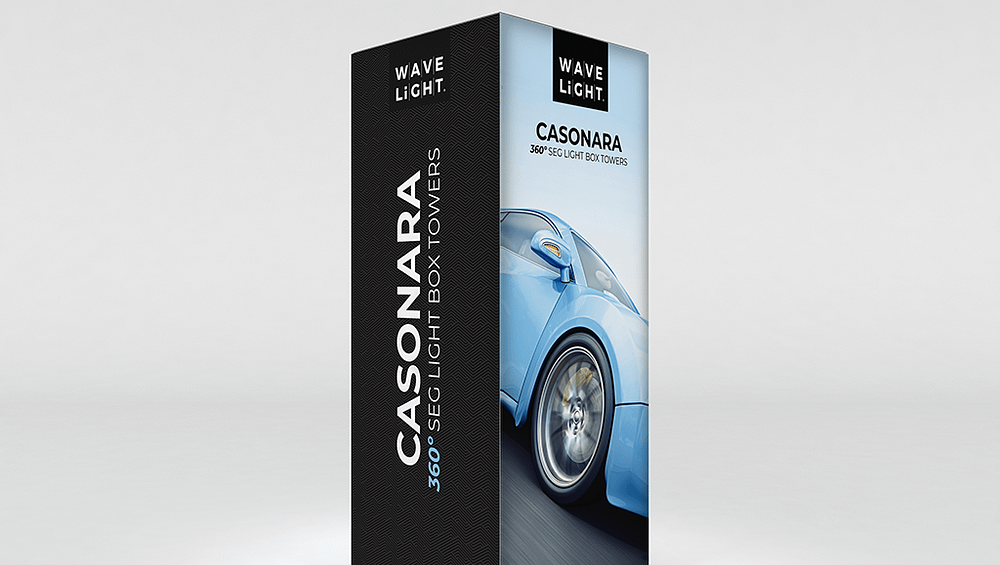
How to Optimise Sightlines with Strategic Display Tower Placement in Australian Retail Environments
How to Optimise Sightlines with Strategic Display Tower Placement in Australian retail environments is fast becoming a critical concern for store operators facing rising competition and shifting shopper expectations. As up to 82% of purchase decisions are made in-store, cluttered sightlines and poorly positioned towers can quietly drain sales while leaving retailers unaware of the underlying cause. In many cases, the fixtures designed to drive engagement instead create visual noise, block key categories, and interrupt the natural path to high-margin zones.
Understanding Why Sightlines Fail in Busy Stores
Poor tower placement often begins with treating fixtures as add-ons rather than integral elements of store planning. When display towers are dropped into layouts late in the process, they can sit directly in front of promotional bays, service counters, or wayfinding signage. In high-traffic Australian supermarkets, towers near the entrance can generate bottlenecks, especially when trolleys and prams converge in tight spaces. Similar issues arise with corner-mounted display towers that unintentionally create blind spots and confusion.
Many retailers still rely on legacy floor plans that pre-date omnichannel services and click-and-collect counters. As additional services are squeezed into existing footprints, towers and podiums are shuffled into any available gap rather than evaluated against whole-of-store visibility. Exhibition Display Towers and Inflatable Event Displays imported from other markets can also be oversized for local store formats, overwhelming lower ceilings or narrow aisles common in suburban centres. Over time, this ad hoc approach compounds into a maze-like experience that frustrates customers.
Common Mistakes That Quietly Cost Sales
One frequent misconception is that height always equals impact. Taller fixtures can certainly create theatre, but in many Australian stores they block long-range views to category beacons, counters, or exits. Over-indexing on height can also hide hero products behind bulk displays, reducing dwell time where it matters most. Retailers sometimes position Portable Event Podiums at right angles to the main traffic flow, forcing abrupt stops and awkward detours that interrupt natural browsing patterns.
Another overlooked issue is accessibility and manoeuvrability. Towers placed too close to checkouts or service areas can make queuing zones feel cramped and stressful, especially when families with prams compete for space. In compact formats, tower displays for tight venues are often wedged into end-of-aisle locations, narrowing key circulation paths. When this happens repeatedly, customers start to avoid certain aisles altogether, quietly eroding category performance without an obvious explanation in the weekly reports.
Warning Signs Your Sightlines Are Broken
There are several early indicators that sightline issues are undermining store performance. Staff may report constantly redirecting shoppers who “can’t find” obvious categories that sit just beyond bulky fixtures. High-margin displays can underperform despite sharp pricing and strong promotions because they are hidden behind Towers & Podiums that dominate the customer’s field of view. Heat maps, CCTV and basket analysis frequently show customers skirting around congested pinch points without engaging with adjacent products.
- Customers pausing at entrances, unsure which way to turn due to blocked sightlines.
- Regular congestion around tower clusters, especially near checkouts and service desks.
- Categories closest to bulky fixtures underperforming compared with similar zones elsewhere.
- Complaints about cramped aisles or difficulty moving trolleys and prams through key paths.
- Promotional campaigns relying on tiered product display pillars failing to shift expected volume.
Ignoring these signals can hardwire inefficiencies into your layout, making every future promotion work harder for less return. As formats evolve, some retailers are experimenting with modular event tower systems, inflatable wayfinding columns, portable podiums for presentations and double-sided event podiums, yet still treating them as standalone features rather than elements in a holistic visibility strategy. In complex stores, especially those using branded entrance display arches or Inflatable Event Displays, seeking expert support can reveal how Portable Event Podiums, corner-mounted display towers and tiered product display pillars might be repositioned or redesigned to restore clear view corridors. Now is the time to walk your floor, assess how your towers guide or block the eye, and speak with a specialist before entrenched sightline problems become an expensive barrier to growth.


