
Outdoor events across Australia are booming, but seating design is still too often treated as a checkbox task rather than a core safety and comfort issue. When organisers rush decisions on Tents & Seating, they overlook how shelter, layout and capacity interact in real conditions. That’s when minor oversights turn into heat stress cases, blocked aisles, frustrated crowds and serious accessibility gaps that can put both guests and event reputations at risk.
Understanding the hidden risks of outdoor seating
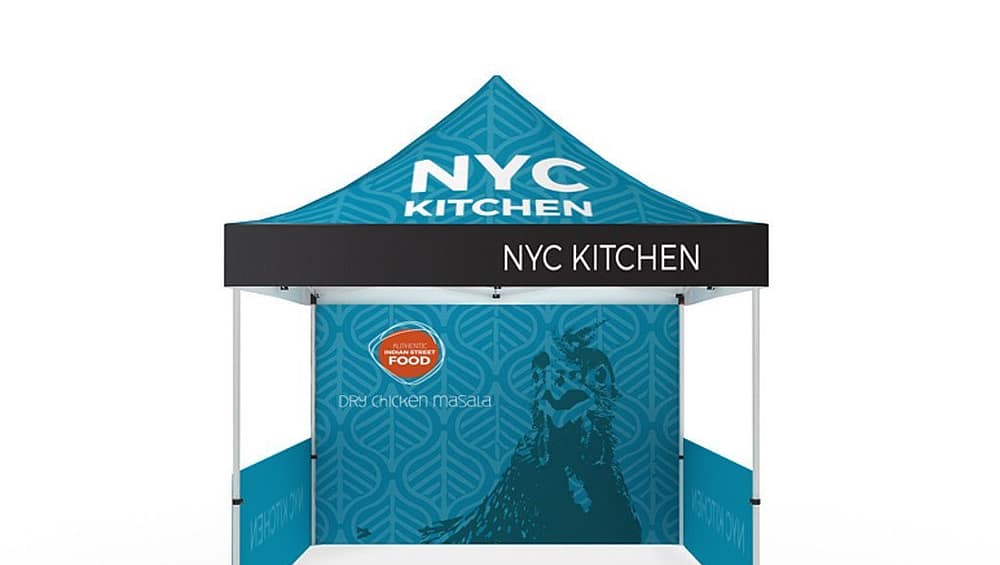
Many planners focus on the stage and sound system, assuming standard chairs and Outdoor Promotional Tents will “just work”. In reality, outdoor seating is heavily exposed to heat, wind and ground conditions, which can quickly undermine even the best-run program. Guests left in full sun for hours, flimsy shade structures, or chairs sinking into soft turf create discomfort and hazards that are hard to fix once gates open.
Why seating decisions matter for safety and comfort
Australian summers make inadequate shade and poor airflow more than a nuisance; they are a health risk. Without careful shade planning with inflatable canopies or other structures, guests may experience headaches, dehydration or heat exhaustion well before the event ends. At the same time, narrow aisles, awkward turns and cluttered layouts slow evacuations, obstruct first-aid access and make it difficult to manage guest flow around promotional tents during peak moments such as headline acts or breaks.
Common blind spots in Australian outdoor layouts
Organisers regularly underestimate how quickly conditions change and how seating amplifies those effects. Overly optimistic weather assumptions mean no backup plan if strong winds hit Inflatable Event Tents or sudden rain turns grass into mud. Attempts to boost capacity by adding extra rows can wipe out weatherproof outdoor seating layouts, leaving guests exposed to sun or pooling water and creating sightline issues that frustrate ticket-holders who paid for a clear view.
- Accessibility gaps, such as ramps to the site but not to all seating areas, isolating wheelchair users.
- Family-friendly outdoor seating clusters placed far from amenities, forcing long walks in heat or rain.
- Branded Event Seating and branded lounge zones for sponsors set where they block main circulation paths.
- vip lounge seating under event tents positioned with poor sightlines or limited emergency egress.
- Temporary seating for outdoor brand activations installed on uneven surfaces without adequate stabilisation.
Warning signs often emerge well before event day. Last-minute capacity increases without re-checking exits or festival-ready pop up tent zones can push the site past safe crowd thresholds. Long, uninterrupted seating runs with minimal aisles force guests to climb over each other, increasing trips and delays. If your plan doesn’t distinguish clearly between standing, seated and high-traffic areas, you’re likely to face congestion, frustrated patrons and a higher chance of incidents that could have been prevented with better planning.
Once your concept involves complex Tents & Seating layouts, multi-use zones or mixed grandstands and lawn areas, specialist input becomes crucial rather than optional. Australian standards, local council requirements and accessibility regulations are intricate, particularly for large public gatherings. Before locking in suppliers, assess your seating against worst-case weather, evacuation scenarios and diverse audience needs, and consider speaking with an outdoor event expert to stress-test your design, protect attendees and avoid costly, last-minute fixes. Now is the time to review your upcoming plans and seek guidance or a consultation so seating doesn’t become the weak point in an otherwise standout event.


