
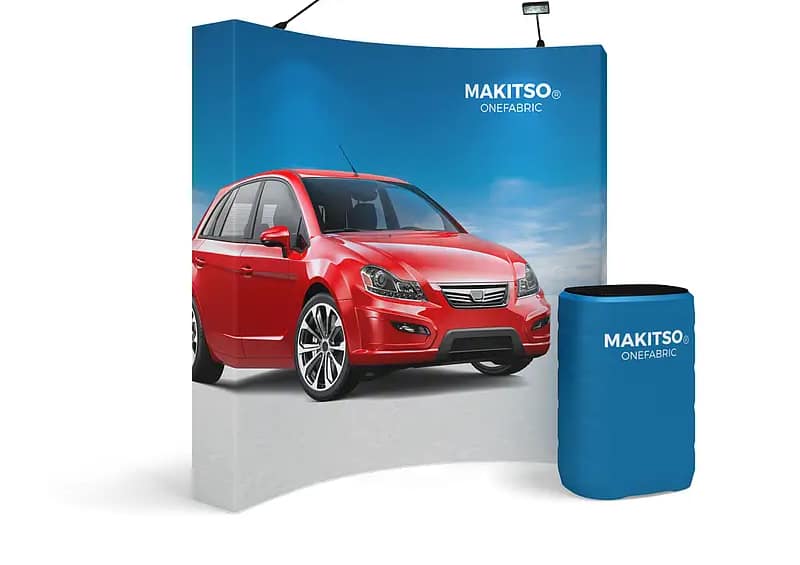
Australian brands are starting to question whether their event signage is quietly undermining their sustainability goals. The Environmental Benefits of Using OneFabric® Pop-Up Banners go beyond looks, highlighting how everyday display choices can either support or sabotage ESG commitments. With pressure mounting from customers, investors and regulators, continuing to rely on disposable signage is becoming a reputational and environmental risk.
The hidden impact of disposable event signage
Across conferences, exhibitions and retail activations, tonnes of PVC pull-ups, corflute boards and mixed-plastic displays are sent to landfill each year. These materials are difficult to recycle, often contaminated with inks, adhesives and metal components. For Australian businesses running national campaigns, the volume escalates quickly, creating an ongoing waste stream that rarely appears in sustainability reports. This disconnect leaves many marketing teams unaware of their true environmental footprint.
The Environmental Benefits of Using OneFabric® Pop-Up Banners
In contrast, fabric pop-up systems are engineered for multiple campaigns, making them more sustainable portable displays over the medium term. Lightweight aluminium frames and tensioned fabric skins can be transported across the country with lower freight emissions compared with heavier rigid panels. When messaging changes, the frame can usually be retained and simply re-skinned, reducing raw material consumption. For organisations with packed events calendars, these incremental savings compound into a meaningful environmental benefit.

Warning signs your signage strategy is wasteful
A few simple indicators can reveal when event marketing tools are driving unnecessary waste. Teams that routinely order new PVC pull-ups for each show, or keep cupboards full of outdated, damaged banners that cannot be refreshed, are likely locked into a disposable mindset. Regular last-minute rush printing also suggests poor planning and higher emissions. If no one tracks how often signage is reused, it becomes almost impossible to measure improvement or meet internal sustainability targets.
- Budgets dominated by one-off banner printing with little allowance for reuse or refurbishment.
- Frequent freight of heavy, rigid displays instead of lightweight event backdrops that pack down small.
- No clear inventory of existing eco-friendly trade show displays or reusable fabric banner systems.
- Marketing materials discarded immediately after each campaign rather than stored for future use.
- Limited discussion of green event marketing materials or recyclable exhibition graphics in ESG planning.
As expectations around low-impact event branding rise, persisting with throwaway signage can erode credibility with environmentally conscious audiences. Businesses that shift to OneFabric Pop-Up Banners and other custom fabric displays often discover their total cost of ownership falls over several years. By rethinking portable advertising solutions and compact trade show signage now, Australian organisations can cut waste, reduce emissions and build a more resilient approach to event marketing. To avoid locking in another year of unnecessary landfill, consider auditing your current displays and speaking with a specialist about more sustainable options before your next major campaign.
Ready to assess whether your current signage is fit for purpose? Review how often your displays are genuinely reused, then speak with an events or signage expert to map a transition towards greener, longer-lasting systems. A short consultation can highlight practical changes that safeguard your brand reputation while shrinking the environmental footprint of every stand you build.


