
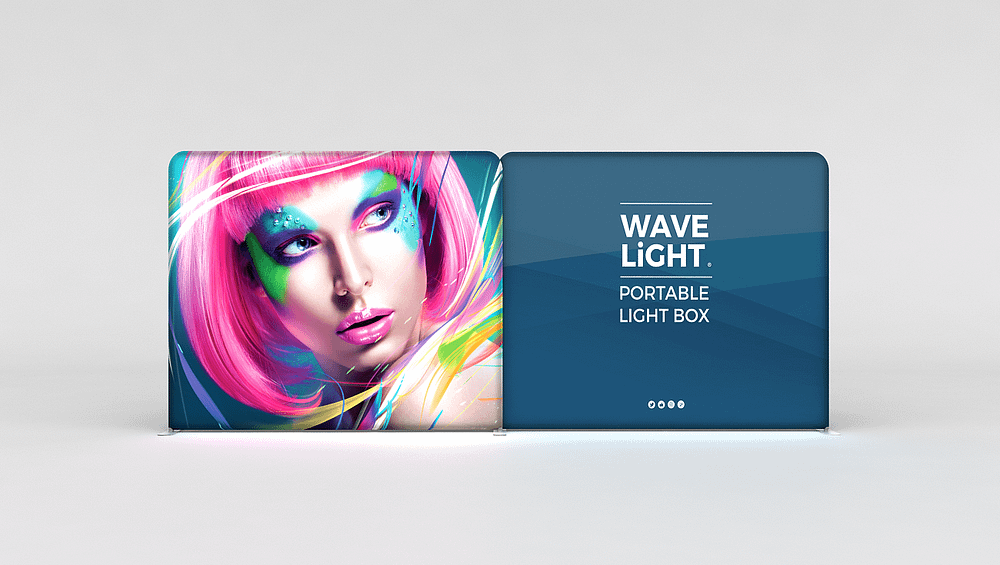
Budgeting for your exhibition stand is one of the most important decisions you’ll make when planning a trade show presence in Australia. Your choices on space, design, logistics, and staffing will determine not only what you spend, but also how effectively you reach new customers and convert leads into revenue. A clear, realistic plan helps you avoid bill shock on-site and keeps every dollar working towards measurable outcomes.
Why exhibition stand budgeting shapes your results
Without a structured budget, trade show costs can escalate quickly, from venue services and labour to last-minute printing and furniture hire. Australian venues often apply premium rates for late orders, adding pressure for marketing teams already juggling deadlines. A defined framework forces you to clarify objectives, prioritise spending, and secure internal approvals. It also allows you to compare different scenarios, such as investing more in design versus allocating extra funds to staff training or follow-up campaigns.
Core cost drivers to map into your budget
Several predictable elements dominate most exhibition budgets and should be scoped early with your finance and events teams. Stand space hire, usually charged per square metre and influenced by hall location, will be your base cost, followed closely by stand type and build quality. Design, construction, graphics, and installation can vary widely between simple packages and highly creative concepts. On top of that, you’ll need to factor in furniture, technology, AV equipment, utilities such as power and internet, and venue-mandated services like cleaning or waste removal.
- Allow for logistics including transport, storage, and onsite material handling.
- Budget for staff travel, accommodation, meals, and exhibitor training sessions.
- Include graphics, signage, and printed collateral such as brochures or flyers.
- Set aside funds for technology, lead capture tools, and AV support.
- Add a contingency of 10–15 per cent to cover last‑minute or unexpected expenses.
Treat your exhibition stand budget as a strategic investment plan, not a cost list. Every line item should support a clear commercial objective and be measurable against post-show results.
Choosing between shell schemes, custom builds, and modular options
One of the earliest calls is whether to book a basic shell scheme, a fully custom build, or a modular solution that sits in between. Shell schemes remain attractive for first-time exhibitors or those testing a new market, offering standard walls, fascia signage, and basic lighting at a predictable price. Custom stands demand higher upfront investment but provide stronger brand presence and more sophisticated Exhibition Booth Displays capable of hosting product demos, meetings, and hospitality. For many Australian businesses, modular systems such as Exhibition Stand Kits and other configurable exhibition display systems offer a reusable, reconfigurable approach that can be adapted across multiple venues and stand sizes.
Once you’ve locked in the overall direction, refine your spend by looking at reusability, transport, and labour requirements. Portable Exhibition Stands and lightweight trade show booth packages can cut freight and handling costs, particularly when your schedule includes multiple interstate shows. Teams working with Trade Show Display Kits or modular trade show booth kits often gain additional savings because components can be flat-packed, repaired, or re-skinned rather than rebuilt from scratch. For smaller footprints, small space exhibition stand ideas and portable booth layouts for expos can help you achieve impact without paying for unnecessary square metres or complex rigging.
To avoid common financial surprises, map hidden items such as rigging, additional power, and late order fees early in the planning timeline. Many exhibitors overlook budget-friendly portable display bundles and customizable exhibition stand components that can extend the life of existing assets instead of commissioning entirely new builds. It’s also worth setting guidelines for exhibition booth layout planning tips so your creative ambitions don’t trigger structural or safety changes that inflate costs in the final weeks. When you align creative concepts with practical constraints from the outset, your budget becomes a tool for smarter decision-making rather than a reactive spreadsheet.
Controlling spend is only half the equation; linking it directly to performance is where the real value lies. Before committing funds, define targets such as the number of qualified leads, booked meetings, or demos delivered, and estimate the sales pipeline these outcomes should generate. This allows you to calculate expected cost per lead and to judge whether enhancements like upgraded AV, extra staff, or premium catering are justified. Maintaining this commercial lens throughout the process also makes it easier to communicate return on investment to stakeholders who may view exhibitions as discretionary marketing rather than a core sales channel.
After the event, collect data on leads, appointments, deals won, and media coverage, then compare these against the original budget to refine your approach. Many Australian organisations now formalise this step, feeding lessons into future planning cycles and national programs. If you lack in-house expertise to manage this level of detail, partnering with specialists who understand exhibition economics can be decisive. An experienced provider will help you scope realistic budgets, identify where to invest and where to save, and develop a stand strategy that supports sustained lead generation. To explore how this could work for your organisation, speak with a specialist today about building a tailored budget and stand solution for your next show.


