
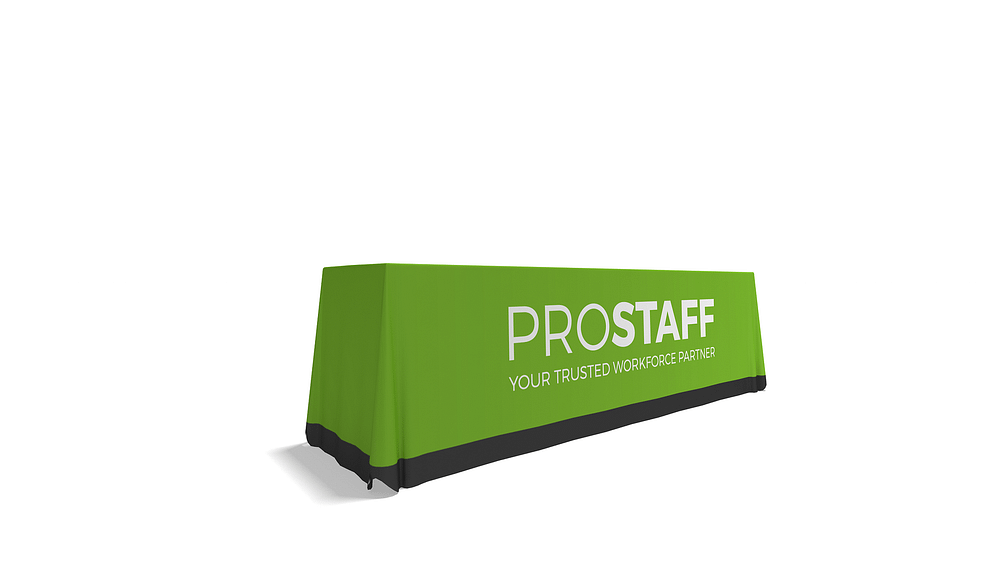
The Future of Tabletop Displays: Trends to Watch in 2026
The crossroads for Tabletop Displays & Covers in Australia
Across Australian exhibitions, conferences and retail activations, Tabletop Displays & Covers are reaching a tipping point. Organisers are running more events, yet many tables still rely on wrinkled cloths, generic stands and random merchandise piles. The visual noise this creates makes it harder for brands to cut through, even when foot traffic is strong and marketing budgets are growing.
Why outdated tabletop setups are becoming a liability
When tabletops resemble storage surfaces rather than curated Tabletop Exhibition Displays, brands lose prime real estate for storytelling and data capture. Overloaded tables packed with brochures, samples and gadgets confuse visitors instead of guiding them. This cluttered approach is especially risky for organisations trying to project a premium, sustainable or tech-forward image in competitive Australian sectors.
Warning signs your tabletop display is falling behind
Clear red flags include Branded Table Covers that fade, wrinkle or clash with the rest of your stand, and Portable Table Displays that wobble or look pieced together from past events. If attendees regularly walk past your table or only grab lollies without engaging in conversation, your layout is likely burying key messages. Another warning sign is a compact tabletop trade show setup where hero products are hard to spot from the aisle.
- Stacks of flyers and catalogues that largely end up in venue bins after the show
- No clear focal point or hierarchy between samples, screens and literature
- custom printed table throw designs that look dated or inconsistent with your current brand
- No QR codes, touchpoints or interchangeable graphics for table displays to support measurement
- Limited accessibility for wheelchair users or visitors with mobility challenges
Behind the scenes, these issues translate into wasted spend and missed intelligence. Without modular tabletop demo stations or structured sampling flows, your team gains little insight into which products, offers or messages resonate. You also risk undermining ESG claims when flimsy giveaways clash with sustainability targets, especially as Australian audiences grow wary of throwaway promo clutter at events.
Looking ahead to 2026, exhibitors are experimenting with tabletop display ideas for small booths that rely on fewer, better-chosen items and event-specific branded table runners. Some are pairing a tabletop backwall and table cover combo with lightweight folding tabletop kiosks to create layered storytelling in limited space. Others are investing in Portable Table Displays built around data capture, using QR-led journeys that track interest across multiple shows.
For organisations attending multiple expos a year, rethinking Tabletop Displays & Covers now can prevent another cycle of ineffective setups and sunk costs. Review whether your current approach supports sustainability metrics, accessibility goals and clear audience pathways. If not, it may be time to map out a smarter strategy with specialist guidance so your next event stand is ready for shifting expectations in 2026 and beyond.
Call to action: Before your next major conference or roadshow locks in, take an hour to audit your tables, identify weak spots, and speak with an event display expert about practical upgrades that align with your brand and performance goals.


