
Fabric Banner Design: Tips for Effective Branding in 2026
Fabric Banners in Australia’s 2026 branding landscape
In 2026, fabric banner design sits at the crossroads of physical impact and digital engagement for Australian brands. Fabric Banners deliver large, high-visibility canvases in environments where online advertising cannot compete, from convention centres to regional field days. Advances in dye-sublimation, recycled polyester and water-based inks mean marketers can now combine sharp imagery, bold colour and credible sustainability claims. For businesses reassessing their event and retail strategies, understanding the mix of formats, materials and finishes available is critical to ensuring each banner becomes a reusable brand asset rather than a one-off cost.
Design principles for effective fabric branding
Strong fabric banner design starts with a single, clear message supported by confident typography and disciplined use of brand colours. High-resolution custom printed fabric graphics and vector logos prevent pixelation when scaled to large formats. Designers should plan artwork at actual size, testing legibility at typical viewing distances found in exhibition halls, shopping centres and outdoor festivals. Keeping text concise, increasing contrast and stripping away clutter helps ensure passers-by absorb the offer or call to action within a few seconds. Where campaigns run nationally, templates can be built so different teams can localise content without diluting visual consistency.
Formats, technologies and sustainable options
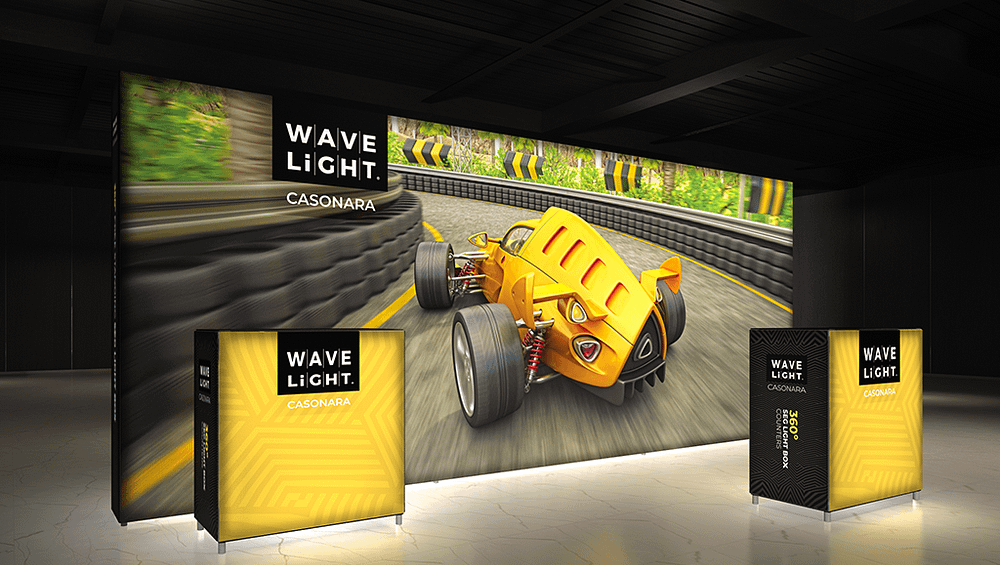
Australian marketers can now choose from pull-up fabric banner stands for trade shows, large Fabric Exhibition Banners, Tension Fabric Displays and curved tension fabric backdrops to suit different floor plans. Portable Fabric Displays and lightweight portable banner frames are ideal when teams travel frequently or need fast set-up and pack-down. For brands with ESG targets, recycled polyester, organic cotton blends and washable reusable fabric signage reduce waste over multi-year campaigns. Technology can be layered in via QR codes, NFC chips or AR markers that move audiences from printed visuals to richer digital content, while fabric booth backdrops with lighting help stands photograph well for social media.
- Choose double-sided fabric banner walls for aisles with traffic approaching from both directions.
- Use modular fabric display systems when you need to reconfigure stand sizes across different events.
- Select mesh fabrics and UV-resistant inks for outdoor events in harsh Australian sun and wind.
- Opt for silicone edge graphics when you want ultra-flat finishes for premium retail or corporate interiors.
- Standardise hardware so the same frames accept future campaign skins, improving long-term ROI.
When briefing a professional supplier, marketers should outline audience, objectives, typical venues, budget and sustainability requirements in detail. Asking for fabric swatches, printed proofs and sample seams allows teams to compare colour accuracy, opacity and stitching quality across vendors. Solutions such as modular fabric display systems or tension frames can reduce future production costs by letting brands refresh skins while reusing hardware. Specialists can also advise whether double-sided or single-sided formats, or freestanding versus rigged installations, will work best for each site. By treating banners as long-term assets, businesses extract more value from every square metre of print.
Before committing to new Fabric Banners, it’s worth mapping a 12–24 month calendar of expos, conferences and in-store promotions to test how each design will work across multiple settings. Consider whether Tension Fabric Displays, fabric booth backdrops with lighting or simple portable Fabric Displays will give the right balance of impact, flexibility and transportability. Reviewing options alongside an experienced Australian display partner can clarify which formats, fabrics and finishes will support your brand’s goals most effectively. To move forward, compile your upcoming events, existing brand assets and sustainability targets, then book a consultation to compare tailored solutions and lock in a banner strategy that will work hard through 2026 and beyond.


