
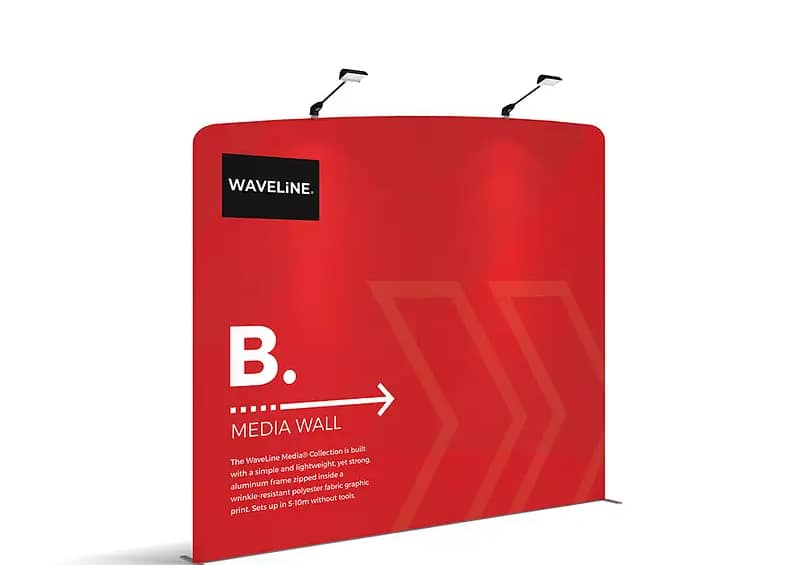
Exploring the Sizes and Shapes of WaveLight® Tension Fabric Banners is fast becoming a priority issue for Australian exhibitors who are tired of spending on stands that look impressive up close but vanish from the aisle. In packed expo halls from Sydney to Perth, brands are discovering that the real weak point in many illuminated fabric display systems is not the artwork, but mismatched sizing and awkward shapes that quietly blunt their impact.
Why banner size and shape are a hidden problem
Most marketing teams obsess over colours, photography and high resolution fabric graphics, yet rarely check how banner dimensions interact with booth footprints and venue rules. In a typical 3×3 or 3×6 metre stand, a lightbox that is technically “within spec” can still underperform if it fails to command attention from 10–15 metres away. Too small, and the stand disappears into a sea of portable display systems; too large, and it blocks access, clashes with rigging or breaches height limits.
Understanding common WaveLight® sizes and formats
Backlit WaveLight frames in Australia generally sit around 2438 millimetres high, with widths from about 914 to more than 5.5 metres, allowing exhibitors to build straight runs, corners and portable trade show backdrops. The catch is that many businesses buy one impressive unit and expect it to work everywhere, only to find that a banner perfect for a 3×3 stand leaves dead space in a 6-metre booth. Over a 12‑month calendar, that lack of modular tension fabric walls and forward planning can mean extra hire costs, rushed reprints and inconsistent brand presence.

How shapes impact visibility and visitor flow
Straight walls maximise graphic real estate but can behave like flat billboards, disappearing for anyone approaching from side aisles. Curved tension fabric backdrops and S‑shapes catch peripheral vision and help steer people into the stand, yet they can chew up valuable floor area if scaled poorly. When backlighting is added, dense text and edge‑to‑edge logos may bloom or glare, especially if lightweight fabric banner stands force attendees to stand too close, making messaging harder to read at a glance.
- Staff constantly stepping out of the stand because graphics are unreadable from main traffic lanes.
- Visitors bottlenecking at corners where large frames push too far into the aisle.
- Light spill from backlit panels creating glare on product shelves or demo areas.
- Frequent furniture reshuffles mid‑show just to “make the wall fit” the footprint.
- Banners that work in one venue but look lost or overpowering at the next activation.
These red flags suggest your current mix of custom fabric displays and portable display systems is not properly aligned with real‑world booth sizes. Brands touring roadshows, pop‑ups and retail activations often rely on reusable exhibition banner kits, yet overlook how different heights, widths and angles affect sightlines and access. When Wavelight Tension Fabric Banners are not planned as part of flexible tension banner solutions, freight costs creep up, tool free banner assembly takes longer than promised, and the stand struggles to earn its floor space in attention and leads.
For marketers managing multiple events, the risk is cumulative: each show absorbs more time, money and effort while the illuminated fabric display systems deliver only patchy results. Speaking with an exhibition specialist can help you map likely booth sizes, venue restrictions and viewing distances, then specify portable trade show backdrops and modular tension fabric walls that scale smoothly. Before signing your next venue contract, review how your current portable display systems perform across different footprints and ask whether they genuinely dominate the aisle. If not, now is the moment to reassess sizes, shapes and configurations so your next stand works harder at every event.


