
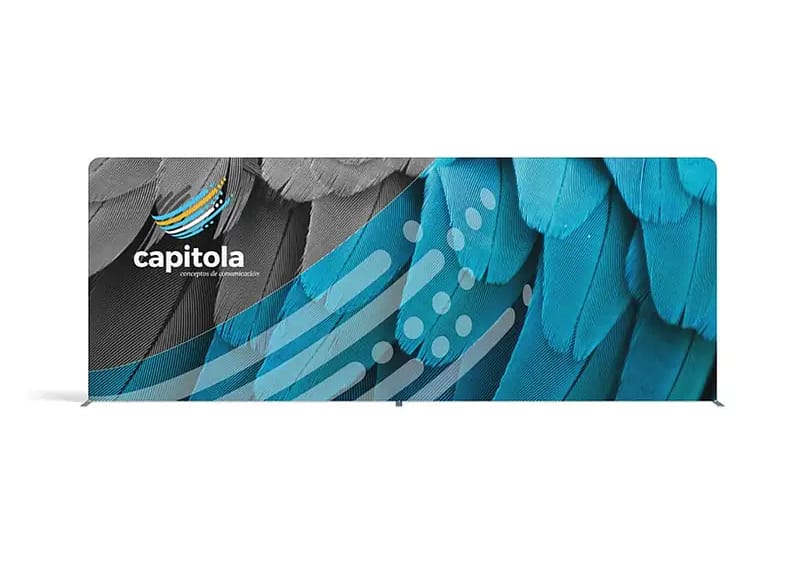
Best Practices for Choosing WaveLight® Tension Fabric Banners
WaveLight® Tension Fabric Banners have shifted from being a peripheral accessory to a core branding asset in Australian exhibition and retail environments. As organisers compress bump-in times and audiences demand higher visual standards, brands that invest in strategically planned illuminated hardware gain a sustained edge. The question is no longer whether to use backlit systems, but how to specify, design, and measure them as part of a broader, performance-led event marketing strategy.
Why WaveLight® Tension Fabric Banners Matter Now
In crowded convention centres from Sydney to Perth, illuminated tension banner solutions cut through ambient clutter far more effectively than traditional pull-ups or rigid boards. The combination of backlighting and lightweight fabric banner displays delivers impact without creating freight or WHS headaches. For marketers managing national campaigns, this portability also unlocks repeat deployment across multiple shows, turning one investment into an enduring platform for brand storytelling.
Treat illuminated display systems as long-term brand infrastructure, not disposable décor, and they will keep working for you long after a single event closes.
Aligning Banners With Brand and Campaign Strategy
The most effective custom fabric displays start with strategic intent, not hardware catalogues. If lead generation is the priority, design for clear wayfinding, rapid message comprehension, and obvious conversion cues such as QR codes or demo zones. For brand building, prioritise visual consistency, strong recall devices, and reusable branded fabric graphics that work across multiple campaigns. Retail activations, by contrast, benefit from slimmer footprints and portable display systems that can adapt to changing floor layouts.

Design and Technical Choices That Protect ROI
Backlit textiles are unforgiving of weak artwork and poor production values. Vector logos, high-resolution imagery, and disciplined negative space are essential to keep messages legible from typical Australian exhibition sightlines of 5–10 metres. Forward-thinking teams also specify washable tension fabric prints and interchangeable skins, enabling content updates without replacing frames. Tool-free banner frame solutions and aluminium tube display stands minimise labour costs, while fire-retardant fabrics and compliant power setups help navigate strict venue regulations.
Beyond individual units, consider how portable tension fabric backdrops, curved fabric exhibition walls, and modular trade show fabric systems work together to choreograph visitor flow. When your WaveLight® Tension Fabric Banners form a coherent visual corridor, delegates instinctively move towards high-value interactions such as product demos or meetings. Integrating lightweight fabric banner displays with digital touchpoints—like AR experiences or data capture kiosks—turns static branding into a measurable, optimisable experience layer.
To keep improving outcomes, benchmark each deployment: track traffic, dwell time, and lead quality before and after introducing illuminated solutions, then refine content and placement accordingly. Ready to rethink your exhibition presence? Review your current display suite against these principles, assess where modern tension banner solutions could lift performance, and speak with a specialist to map out a resilient, data-informed banner strategy for your next Australian event program.


