
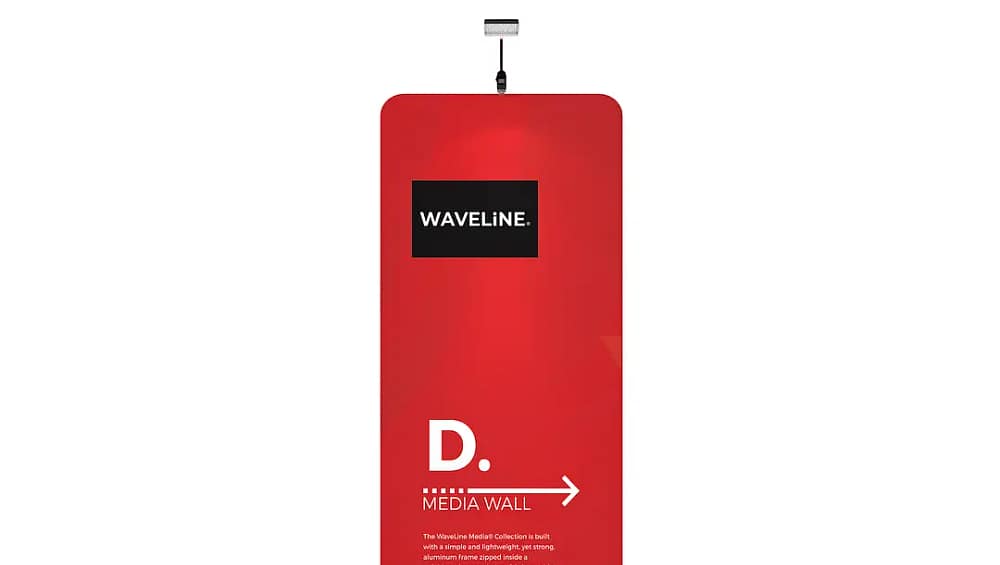
Comparing WaveLight Tension Fabric Banners vs Traditional Displays in Australia
WaveLight Tension Fabric Banners: a new benchmark for impact
Across Australian trade shows, shopping centres and roadshows, brands are turning to WaveLight Tension Fabric Banners to stand out in crowded venues. These backlit systems pair an aluminium frame with a tensioned fabric skin, creating a bright, seamless wall of colour that cuts through ambient noise and dim lighting. Unlike segmented pull-up banners, they present a single continuous canvas, ideal for high resolution fabric signage and bold brand storytelling. For marketers under pressure to prove ROI from events, this extra visual punch is becoming a critical factor in driving foot traffic.
How WaveLight Tension Fabric Banners work
At the core is a lightweight frame that snaps together quickly, relying on tool free display frames that suit tight bump-in windows. A printed fabric sleeve slides over the structure, stretching to remove creases and conceal hardware for a clean, premium look. Integrated LED modules cast even illumination across the graphic, avoiding hotspots common with ad hoc spotlights. When campaigns change, teams simply replace the sleeve, turning these systems into reusable event display systems that protect hardware investment over multiple activations and tours.

Traditional displays: where they still make sense
Despite the rise of custom fabric displays, traditional pull-ups, foamboard panels and shell-scheme graphics continue to serve cost-conscious exhibitors. Roller banners and corflute signs are familiar, fast to print, and work well for one-off community expos or small business showcases. However, they are often heavier to freight, require multiple cases, and can look fragmented beside portable tension fabric backdrops or curved tension fabric walls. For organisations building a long-term event program, the ability to refresh graphics while keeping the same aluminium tube banner stands may shift the value equation towards fabric-based options.
- Visual impact in dim or cluttered venues, where backlighting helps portable display systems dominate the aisle.
- Portability and freight costs, particularly for teams flying with lightweight fabric trade show displays between Australian cities.
- Setup time and labour, including whether staff can assemble tension banner solutions without contractors.
- Longevity of hardware, and the ability to rotate washable stretch fabric graphics for seasonal campaigns.
- Brand positioning, and whether illuminated fabric aligns with the premium or innovative image you want to project.
Choosing between WaveLight systems and more traditional signage starts with how often you exhibit, how far your kit travels, and how much stand-out you need to justify higher upfront spend. National brands running regular activations may benefit most from portable tension fabric backdrops that re-skin easily for new product launches. Smaller organisations focused on local markets might stay with economical roller banners until their event schedule expands. Speaking with an Australian specialist in tension banner solutions can help you map configurations, power access, logistics and content strategy before you commit. To move forward, compare your options and book a consultation to align your next display investment with clear marketing objectives and budget.


