
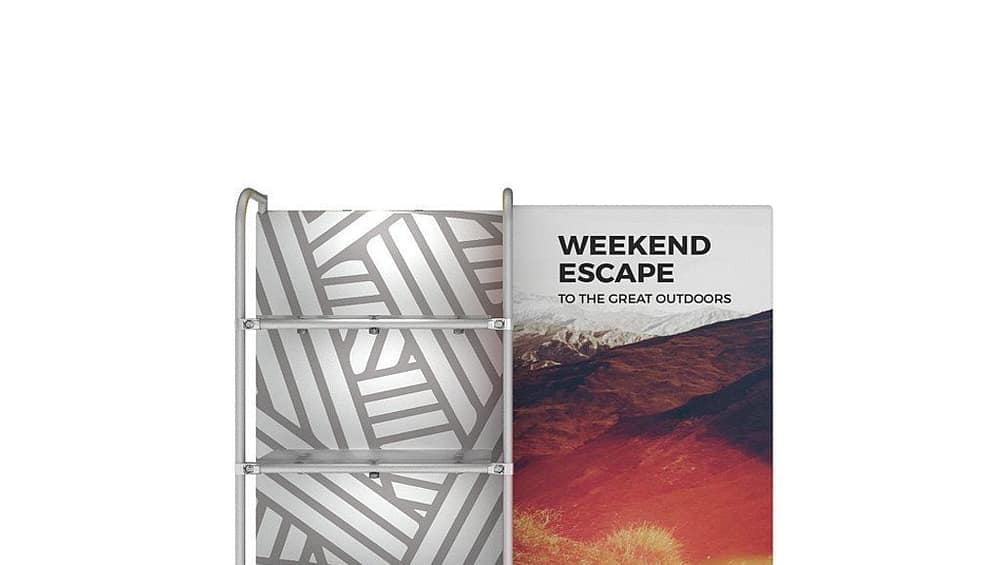
Innovative Trends in Exhibition Stand Kits for 2026 are reshaping how Australian organisations plan, design and measure their presence at trade shows and expos. As budgets face tighter scrutiny and sustainability expectations grow, marketers are looking for smarter ways to build consistent, high-impact spaces across multiple events. Increasingly, they are turning to Exhibition Stand Kits that combine modular architecture, integrated technology and data-led planning to deliver stronger returns from every square metre of floor space.
The New Era of Exhibition Stand Kits
Across Australia’s convention centres and regional expo halls, the old model of one-off custom builds is being challenged by reusable, reconfigurable systems. Modern kits are engineered to adapt to different footprints, venues and campaign messages without starting from scratch each time. For marketing managers under pressure to justify spend, this shift offers a practical path to better financial and operational control. Instead of viewing each show as a standalone project, brands are treating their stand as a long-term asset that can evolve with their event strategy.
Sustainability and Long-Term Reuse
Environmental credentials are now a decisive factor in many procurement decisions, especially for government agencies and large corporates bound by ESG reporting. Traditional timber builds, often discarded after a single event, sit awkwardly against carbon reduction targets and waste policies. By contrast, reusable modular exhibition walls, aluminium frameworks and tension fabric graphics can support multi-year programs with minimal material waste. This approach also simplifies sign-off processes, as marketing teams can demonstrate clear reductions in landfill, transport volume and construction waste across their event calendar.
- Reduced material waste through reusable frames and graphics
- Lower freight volumes thanks to lightweight trade show booth systems
- Consistent brand presentation across multiple states and venues
- Faster approvals for events tied to ESG and sustainability targets
- Improved budget predictability over multi-year exhibition programs
For many Australian exhibitors, the question is no longer whether to go modular, but how to choose a system that will still be working hard for them in three to five years’ time.
Modular Flexibility Across a National Events Calendar
Most Australian brands do not exhibit in one city alone. A typical program might move from a compact 3m x 3m booth in Adelaide to a larger corner site in Brisbane and then a high-profile island stand in Melbourne. This variability makes customisable exhibition stand configurations highly attractive, allowing teams to rework a core kit into space-saving exhibition display layouts that suit each booking. Elements such as towers, storage rooms and demo counters can be added or removed, ensuring the stand fits both the footprint and the audience without fresh construction costs.
Alongside flexibility, event teams are prioritising ease of handling. Tool-free exhibition stand setup, clearly labelled components and transportable exhibition booth packages reduce the reliance on specialist contractors and late-night builds. For regional events or tight bump-in windows, this can be the difference between a smooth launch and a stressful scramble. Compact portable exhibition booths that pack down into wheeled cases are also appealing for organisations that frequently ship between capital cities and regional centres, cutting both freight costs and risk of damage in transit.
Tech-Enabled, Immersive Experiences and Measurable ROI
Visitor expectations on the show floor have shifted markedly. Static backdrops and brochure racks are being replaced by interactive experiences, from Trade Show Display Kits with touchscreens to augmented reality product demos built into modular trade show booth kits. These digital layers serve a dual purpose: they draw attendees into the space, and they generate data that marketing teams can analyse after the event. When integrated thoughtfully, technology turns a stand from a passive showcase into a live engagement platform.
Lead generation is also becoming more sophisticated. Tablets, QR-based content downloads and AI-assisted kiosks help staff capture details quickly while offering tailored information in return. Exhibitors can track which Exhibition Booth Displays attract the most dwell time, which demos convert to qualified leads and how traffic patterns vary by time of day. Over several events, this data enables continuous improvement in messaging, staffing and layout, ensuring Exhibition Stand Kits are not just visually striking but tightly aligned with commercial outcomes.
For organisations juggling multiple shows, partnering with a specialist provider can streamline this entire process. The right team can audit your current presence, recommend portable Exhibition Stand Kits or Portable Exhibition Stands that suit your schedule and build a roadmap for integrating content, analytics and logistics. By treating stands as strategic assets rather than one-off expenses, Australian marketers can unlock better ROI, stronger sustainability performance and more predictable event delivery.
If your events calendar for 2026 is already filling up, now is the ideal time to reassess how you exhibit. Whether you are exploring space-saving exhibition display layouts, testing new digital engagement tools or planning a shift to transportable exhibition booth packages, expert guidance can help you avoid costly missteps. Speak with a specialist team today to review your current setup, map out your upcoming shows and design a flexible kit that supports confident, measurable lead generation at every event. Request a tailored consultation and discover how a modern, modular approach can turn your next trade show into a reliable, high-performing marketing channel.


