
Sustainable Display Solutions: Eco-Friendly Shelving Trends for 2026 are reshaping how Australian retailers think about store fit-outs, visual merchandising and long-term capital planning. As consumer expectations harden and regulatory pressures increase, in-store displays are emerging as a highly visible test of a brand’s environmental credibility. The question facing supermarket chains, fashion specialists and shopping centre operators alike is no longer whether to invest in greener fixtures, but how to do it in a way that is commercially robust and operationally practical.
Sustainable display solutions: the new retail baseline
Across Australia, shoppers now look beyond product packaging to how ranges are presented, and whether shelving, signage and lighting align with broader sustainability claims. Research cited in the 2026 Australian Retail Outlook indicates customers are more likely to trust and reward retailers that can demonstrate sustainable display solutions consistently across their network. At the same time, mandatory ESG and emissions reporting is forcing retailers to quantify the carbon and waste impact of their fixtures, including short-term promotional units and seasonal refits.
Materials driving eco-friendly shelving trends
Material selection is at the heart of eco-friendly shelving trends, with retailers moving away from virgin plastics, PVC and uncertified timbers. FSC-certified and responsibly sourced timber is now a mainstay in Australian grocery and fashion, delivering a warm, tactile look while allowing head offices to verify responsible forestry practices. Recycled steel and aluminium are being specified for high-load applications, from bulk aisles to hardware, because they can be recycled repeatedly without losing structural integrity.
- FSC-certified timber and bamboo for carcasses, headers and feature bays.
- Recycled metals for heavy-duty frames, gondolas and perimeter runs.
- Recycled composites that fuse timber fibres with post-consumer plastics.
- Fabric graphics using recycled PET, PVC-free textiles and water-based inks.
- Single-material shelf strips and ticketing designed for simple recycling streams.
Retailers are discovering that the most sustainable shelving is not just recyclable at end of life, but reconfigurable, repairable and flexible enough to support multiple campaigns over a decade.
Modular design, circular thinking and campaign agility
The dominant design language for 2026 is modularity. Store planners are prioritising shelving systems that can be clipped, slotted or bolted into new formations as ranges change, new brands launch and planograms evolve. Instead of commissioning bespoke units for each promotion, retailers are investing in modular trade show shelving–style systems that migrate from front-of-store feature zones to secondary positions once campaigns end. This reduces both waste and the operational disruption associated with frequent refits.
Circular design principles are increasingly embedded in Australian store specifications. Components such as base shelves, uprights and canopies are engineered to be replaced individually, while standardised footprints enable parts to be reused across different formats. Suppliers are trialling take-back schemes that recover metal frames and boards when centres are refurbished, ensuring materials feed back into local manufacturing rather than landfill. Smaller collateral is following suit, with brochure holders, shelf talkers and price tickets shifting to mono-material cardboard or recycled plastic that can be easily sorted.
Lighting has emerged as a critical piece of the sustainability puzzle, with integrated led shelf strips replacing older, energy-hungry fittings. Modern LED systems offer higher colour accuracy and targeted illumination, making feature bays pop while reducing the total number of luminaires required across a store. For Australian retailers contending with rising energy costs and stricter NABERS targets, these incremental gains add up over thousands of trading hours each year.
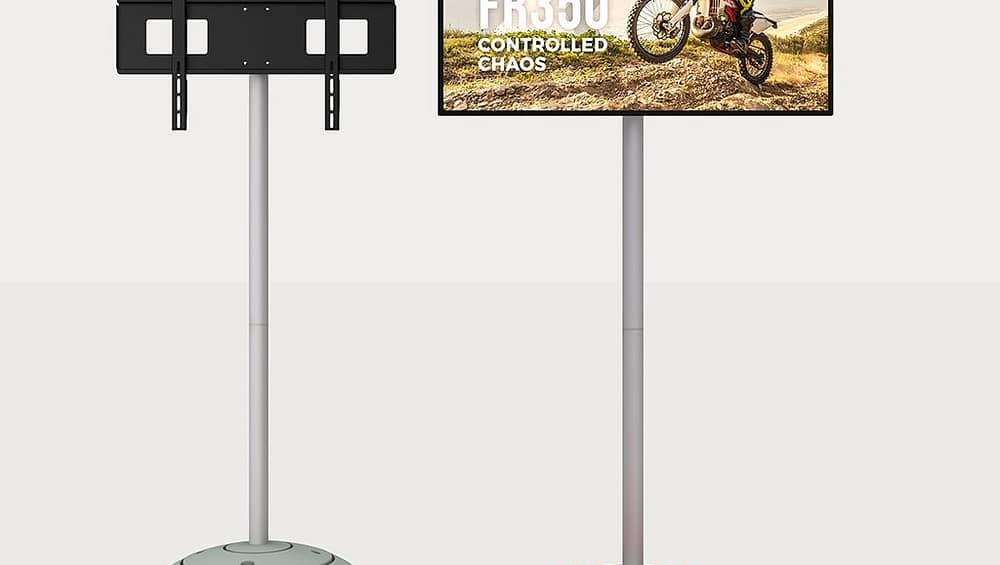
Beyond fixed fit-outs, more sustainable practice is also filtering into events, field merchandising and experiential activations. For pop-ups and expos, teams are choosing portable monitor display mounts, usb-powered display lighting and tablet-ready exhibition stands that can be packed down and re-used across tours and seasons. Partner brands are looking closely at Exhibition Display Lighting and Trade Show Display Accessories to ensure they match the environmental narratives used in above-the-line campaigns, avoiding jarring contrasts between digital messaging and physical presence.
Energy efficiency is playing out in accessories as well as primary structures. Australian suppliers are steadily phasing out PVC clips, laminated tickets and solvent-based inks in favour of eco-friendly banner hardware and Banner Display Accessories manufactured from recycled polymers or biodegradable substrates. The rise of energy-efficient banner lights and adjustable spotlight arms means feature tables and gondola ends can still achieve the desired theatricality without undermining decarbonisation goals. For multi-site retailers, these marginal improvements multiplied across hundreds of stores can materially shift their sustainability metrics.
For store development managers, the main challenge is often where to start. A practical first move is to audit existing fixtures, ranking them by remaining life, material recyclability and alignment with current brand standards. From there, retailers can set clear procurement criteria covering recycled content, FSC credentials, supplier take-back options and the proportion of fixtures designed for tool-free reconfiguration. This reduces the risk of investing in units that look sustainable but perform poorly over their full life cycle.
Working with experienced partners can shorten the learning curve. Banner Lighting & Accessories, for instance, has responded to market demand by curating ranges of durable shelving, low-impact graphics and energy-efficient display lighting that support both permanent fit-outs and temporary campaigns. By engaging early with specialists, retailers can prototype new bays, test materials in high-traffic environments and model the payback period from reduced replacements, lower power consumption and fewer waste disposal fees.
As sustainable display solutions: eco-friendly shelving trends for 2026 move from pilot projects to network-wide rollouts, the commercial rationale is becoming clearer. Retailers adopting modular, circular systems are cutting the frequency and cost of full refits, while also gaining the agility to refresh layouts quickly in response to shifting shopper behaviour. They are finding that natural materials, cleaner sightlines and coherent sustainability stories at shelf level can positively influence dwell time and conversion without resorting to heavy-handed messaging.
For Australian retailers looking to future-proof their stores, the next step is to convert intention into a phased implementation plan. Start by assessing your current fixtures, then define measurable sustainability criteria and partner with specialists who can translate targets into buildable, code-compliant solutions. If your business is planning a store refresh, campaign rollout or network refit, now is the time to speak with a retail display and lighting specialist about designing durable, flexible shelving systems that align with your ESG commitments—enquire today to request a tailored concept and indicative costings for your portfolio.


