
OneFabric® Pop-Up Banners vs. Traditional Displays: A Comparison
Australian marketers are under pressure to do more with smaller teams and tighter event budgets, especially across busy expo and conference calendars. OneFabric Pop-Up Banners are gaining attention as a streamlined answer to clunky hardware, complex installs and rising freight costs. The key question is whether these newer systems can genuinely replace traditional displays, or whether a blended approach offers the best long-term value for brands that exhibit frequently.
Understanding the Shift in Exhibition Displays
Rising venue charges, short bump-in windows and regional travel have all pushed organisations to seek lighter, faster event marketing tools. Traditional modular stands and custom-built booths still deliver a strong architectural footprint, but they can be overkill for standard 3×3 or 3×6 spaces. By contrast, fabric-based systems promise tool-free booth solutions that can be handled by marketing teams without specialist contractors. The result is less time in loading docks and more focus on customer engagement on the stand.
What Are OneFabric Pop-Up Banners?
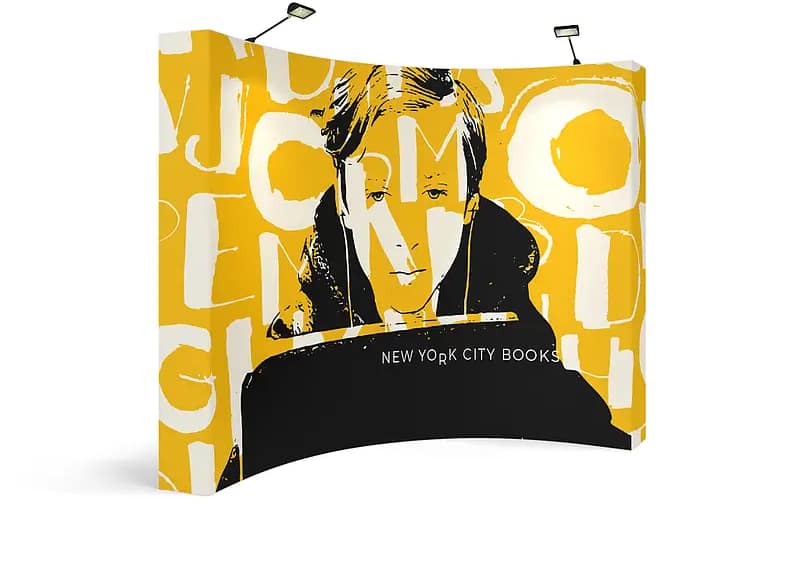
OneFabric Pop-Up Banners use a collapsible frame paired with a tensioned fabric skin that usually stays attached between events. Set-up typically involves expanding the frame, locking it into place and adjusting the graphic, with no loose panels or small parts to misplace. This makes them one of the most practical portable advertising solutions for teams rotating through capital city venues and regional field days. They also align well with compact exhibition display kits where everything needs to fit in a car boot or back seat.

Comparing OneFabric Pop-Up Banners and Traditional Displays
On visual impact, fabric systems can deliver seamless professional branded display graphics with minimal glare, ideal under harsh expo lighting. Traditional builds still win when you need integrated counters, shelving, AV mounts or multi-level brand theatre. From a logistics angle, OneFabric units function as lightweight trade show displays that reduce courier reliance and storage requirements between events. Many teams also value that graphics can be re-skinned, turning the frames into reusable event display systems for changing campaigns and seasonal messaging.
- Use fabric pop-up walls as portable trade show backdrops in standard 3×3 and 3×6 exhibition spaces.
- Deploy collapsible fabric banner stands for shopping centre activations and university open days.
- Reserve custom fabric displays and larger modular systems for flagship expos and national conferences.
- Consider tension fabric pop-up walls where rapid bump-in and small teams limit on-site set-up options.
- Mix portable hardware with select hero structures to build layered, high-impact event marketing tools.
Choosing between these options requires a clear look at your calendar, average stand size, travel patterns and storage capacity. High-frequency exhibitors running roadshows often lean towards collapsible kits that one or two staff can manage independently. Organisations focused on one or two major shows per year may still justify investment in custom architecture and integrated lighting. In practice, many Australian brands now combine OneFabric Pop-Up Banners with a modest traditional kit to balance presence, practicality and total cost of ownership over several years.
If you are weighing up your next display investment, it can be helpful to map scenarios for your largest, smallest and most remote events. An exhibition specialist can review your requirements, suggest a mix of hardware and recommend which elements to upgrade or re-skin first. Ready to compare options in detail? Book a consultation with a display expert to plan a right-sized mix of banners and structures that will support your full Australian event schedule.


