
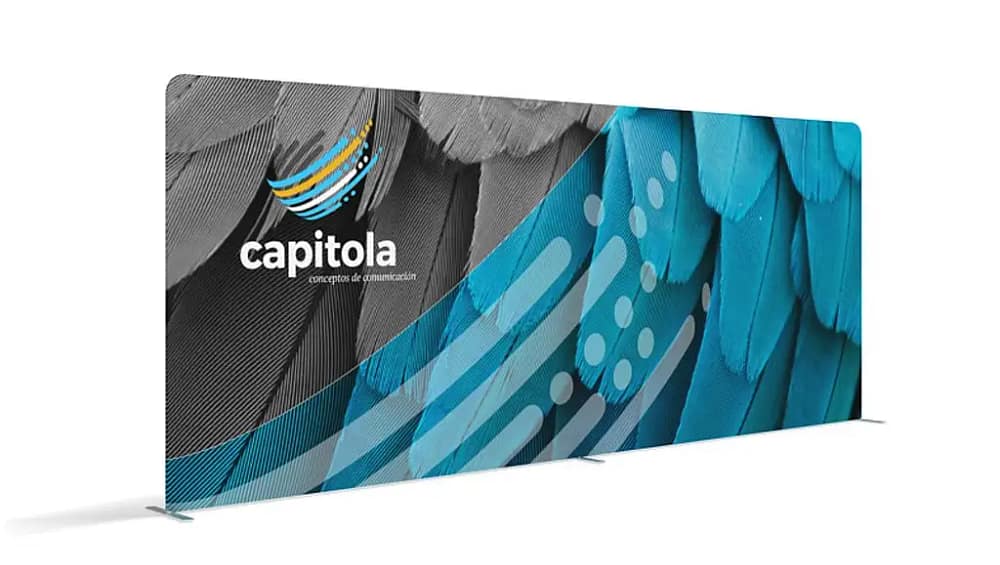
Introduction to Wavelight Tension Fabric Banner Assembly
Assembling Wavelight Tension Fabric Banners begins with a clear understanding of the core components and the straightforward process required for a successful setup. These display systems are engineered to deliver a professional, high-impact presentation while remaining highly portable and simple to use. Whether you are preparing for a trade show, a retail promotion, or a corporate presentation, the same basic assembly principles apply. By familiarizing yourself with the frame structure, the tension fabric graphic, and the stabilizing feet, you can streamline installation and breakdown at every event. This knowledge also helps you evaluate how these banners complement broader custom fabric display solutions within your marketing toolkit. Because the frames are lightweight and the graphics are designed to stretch smoothly across the structure, you do not need specialized tools or technical expertise. Instead, a calm, methodical approach and attention to detail will ensure that your banner looks polished and reliable from the moment guests arrive. Over time, consistent use of best practices will also contribute to longer product life and more dependable performance.
Before you begin assembling your Wavelight Tension Fabric Banners, it is essential to unpack and organize all components in a methodical way. Choose a clean, flat surface where you can lay out frame pieces, connectors, base feet, and the folded fabric graphic without risk of dirt, moisture, or damage. Carefully remove each part from its carry case or packaging, and take a moment to verify quantities against the manufacturer’s instruction sheet or packing list. This quick inventory step helps you avoid setbacks on-site, particularly when working in time-sensitive environments like busy trade show floors or retail setups that must be completed before opening hours. As you sort the parts, group similar frame segments together and place connectors and hardware in a clearly visible area. Many users find it productive to arrange pieces in the order they will be assembled, reducing confusion and unnecessary movement. During this stage, you may also want to confirm that your portable tension banner stands and related accessories are all present and in good condition. By investing a few extra minutes in preparation, you set the stage for a smoother, more efficient assembly process overall.
Once everything is organized, you can begin assembling the frame that will support your tension fabric graphic and define the banner’s final shape. Most Wavelight frames consist of tubular aluminum sections that are lightweight yet sturdy, designed to be connected using clearly marked labels, numbers, or color codes. Start by joining the base horizontal sections, then work your way up to the vertical supports and top crossbars, following the recommended sequence provided by the manufacturer. The connectors typically rely on push-button snaps or click-in mechanisms, allowing sections to lock securely without the need for tools or separate hardware. As you join each piece, listen and feel for the snap or click that indicates a complete, secure connection, because incomplete engagement may lead to instability once the display is upright. If the frame is particularly tall or wide, it is often helpful to have a second person hold sections steady while you align and secure them. Throughout this process, keep in mind that many high-quality fabric signage systems rely on the integrity of the underlying structure to maintain visual impact. A properly assembled frame not only supports the graphic but also ensures that the final presentation appears straight, even, and visually appealing.
After the main frame structure is in place, the next critical step is attaching the base feet or stabilizing supports that will keep the banner secure. Lay the frame gently on its side or keep it upright if space allows, and identify the designated attachment points for the feet along the bottom tubing. Most Wavelight systems feature base feet that slide over or into the lower frame sections and are then locked in place using thumb screws, set screws, or locking pins. Tighten each connection firmly but without excessive force, ensuring that the feet sit flush and aligned with the frame for even weight distribution. Stable base feet are particularly important when the display is used in high-traffic areas, narrow aisles, or locations where people may brush against the structure. If you anticipate placing the banner on slightly uneven surfaces, consider having shims or adjustable feet on hand to keep the display level and secure. At this stage, you can also evaluate how your banner will coordinate with other portable custom fabric displays you may be using in the same space. A consistent, stable setup across all elements reinforces trust in your brand and minimizes distractions caused by wobbling or misaligned hardware.
With a solid frame and stable base in place, you are ready to install the tension fabric graphic that gives the display its visual power. Carefully unfold the fabric on a clean surface, taking care not to drag it against rough flooring or sharp edges that could cause snags. Most Wavelight graphics are designed like a pillowcase, with a closed or zippered bottom and an opening at the top, so begin by locating the top edge or label that indicates the correct orientation. Starting from the top of the frame, gently pull the fabric over the structure, working it down evenly on both sides to prevent uneven stretching. Move slowly and adjust your grip frequently, making sure that logos, headlines, and key imagery remain centered and properly aligned with the visible front area. This step is crucial because lightweight fabric display stands rely on precise tension to create a smooth, professional appearance. Avoid tugging aggressively on seams or corners, as this can stress the material and compromise long-term durability. If the graphic feels tight, check that all frame connections are fully seated and that no sections are rotated incorrectly before applying additional tension.
Once the tension fabric graphic is fully positioned, focus on smoothing, securing, and refining the overall appearance of the display. Use your hands to gently work out visible creases or minor wrinkles, starting at the top and moving downward along the sides and front. Many Wavelight banners incorporate a concealed zipper at the bottom, which, when closed, increases tension across the surface and creates a clean, seamless finish under the base feet. As you zip or secure the lower edge, keep an eye on the alignment of printed elements so that text lines remain level and imagery appears undistorted. This attention to detail is particularly important when you want to highlight wrinkle-resistant trade show graphics as part of a polished presentation. Once the fabric is smoothed and secured, step back several feet and review the display from multiple angles, checking for any sagging, twisting, or misalignment. Make incremental adjustments to the fabric or frame as needed, rather than forcing large corrections that may strain the material. This brief inspection ensures that your banner delivers maximum visual impact from the moment attendees enter the space.
To maintain strong visual quality and extend the life of your Wavelight Tension Fabric Banners, it is essential to implement a consistent care and handling routine. After each event, remove the fabric graphic carefully, avoiding contact with dirty floors or rough surfaces, and allow any moisture or condensation to dry before packing. When folding or rolling the graphic, follow the manufacturer’s recommendations to prevent deep creases or pressure lines that may be visible during your next setup. Proper care is especially important for high-resolution stretch fabric prints, which rely on crisp detail and accurate color reproduction to showcase your brand effectively. Store frame components in their designated compartments or protective sleeves to prevent scratches, dents, or missing parts that could complicate future installations. If the fabric becomes soiled, use mild soap and lukewarm water to spot clean, avoiding harsh chemicals or abrasive cloths that might damage the print. Over time, this disciplined approach to storage and cleaning will not only conserve the structural integrity of your banner but will also preserve its professional appearance.
In many event programs, Wavelight Tension Fabric Banners serve as part of a larger, coordinated environment that includes backdrops, counters, and partitions. When planning your booth or display layout, consider how these banners will work in combination with reusable exhibition fabric backdrops to create a cohesive visual narrative. Because the frames are modular and the graphics are interchangeable, you can easily adapt messaging for different audiences or venues while maintaining a consistent brand identity. This flexibility allows marketing teams to mix and match graphics, swap seasonal campaigns, and integrate new product visuals without investing in completely new hardware. In addition, the same assembly principles—organized unpacking, careful frame connection, stable base attachment, and precise fabric installation—apply across many related products. By standardizing these procedures within your team, you ensure that every event, regardless of size or location, meets a predictable standard of quality. This consistency also simplifies training for new staff members who may be responsible for on-site setup and teardown.
As your display needs evolve, Wavelight Tension Fabric Banners can be combined with a variety of complementary systems to enhance audience engagement and traffic flow. Many organizations, for instance, pair these units with curved and straight fabric walls to define zones for demonstrations, meetings, or product showcases. Others leverage washable branded fabric graphics to accommodate frequent updates or travel between venues with varying environmental conditions. Because a tool-free tension banner system reduces reliance on external labor and specialized equipment, marketing teams can respond more quickly to last-minute layout changes and on-site opportunities. When treated carefully, these banners, along with other lightweight fabric display stands and portable custom fabric displays, can deliver years of dependable service at trade shows, conferences, and retail activations. As a result, your investment yields ongoing value while supporting a consistently polished, professional brand presence. By mastering the simple yet important steps of unpacking, assembling, installing, smoothing, and caring for your Wavelight Tension Fabric Banners, you ensure that each event showcases your message at its best and helps your organization stand out in competitive environments.


