
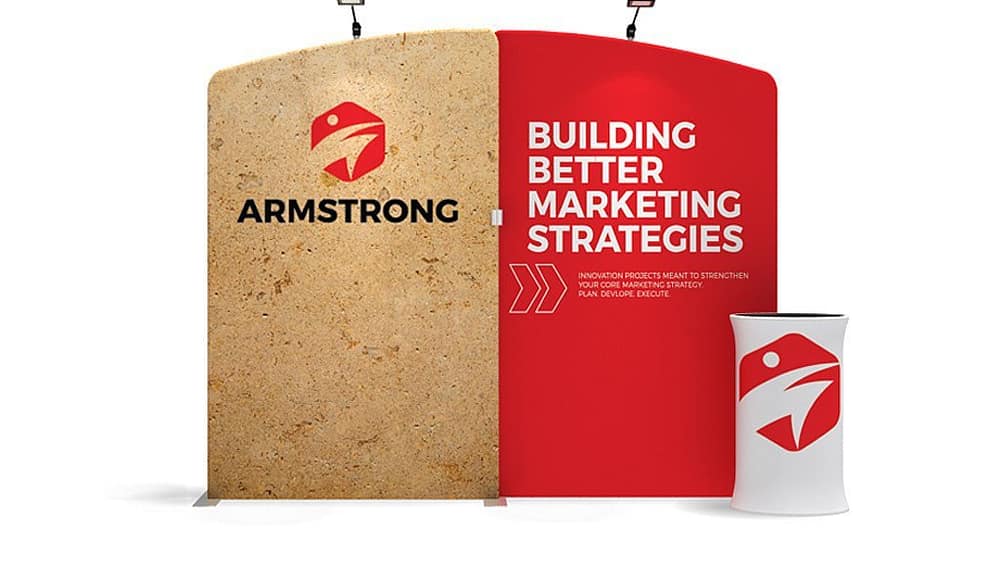
Enhancing customer experience with interactive display solutions in Australia’s retail landscape now means rethinking how shoppers move, browse and buy. Today’s customers expect intuitive, self-directed journeys, and well-designed Counters & Cases with touchscreens, kiosks and digital signage are at the centre of that shift. For retailers, the challenge is turning passing interest into engaged, data-rich interactions that boost both satisfaction and sales.
1. Boost Engagement with Interactive Display Solutions
Interactive display solutions attract shoppers with movement, colour and relevant content that goes beyond static shelving. Touchscreens, wayfinding kiosks and product finders help customers explore ranges that may not be physically on display, including seasonal or online-only lines. Australian case studies show digital engagement zones can lift dwell times significantly, creating more chances to educate and upsell. Retailers also gain a clearer sense of which content, offers and layouts genuinely resonate in busy centres.
2. Streamline Service and Cut Queue Frustration
Long queues remain a major pain point for Australian shoppers, particularly during peak trading and promotional events. Self-service kiosks and interactive checkouts allow customers to scan items, pay and join loyalty programs without waiting in a traditional line. When these are integrated into smartly planned service counters and Exhibition Counters, staff can be redeployed to higher-value roles on the floor. The net effect is faster service, fewer bottlenecks and a perception of more professional store management.
3. Turn In-Store Journeys into Data-Driven Insights
Modern interactive displays give retailers a powerful view of how customers behave in real time. A beauty brand might use Portable Display Counters with touchscreens to recommend skincare via a short quiz, while collecting data on concerns like sensitivity or ageing. These insights feed straight into CRM platforms, allowing marketing teams to refine offers, segment audiences and track conversion from screen to sale. Over time, stores can test layouts, content and promotions with measurable precision.
4. Bridge Omnichannel Gaps on the Shop Floor
Australian consumers routinely research online before stepping into a store, expecting stock transparency and fulfilment options on demand. In this environment, Trade Show Display Cases adapted for retail can house tablets where shoppers check availability, order alternate sizes or arrange home delivery. Click-and-collect kiosks streamline pickups without overloading service desks, while interactive exhibition reception counters double as digital catalogues for extended ranges. Smaller formats, in particular, benefit from showcasing more product without expanding physical footprints.
5. Make Retail Spaces More Accessible and Inclusive
Done well, interactive display solutions can make stores easier to navigate for customers with diverse needs and preferences. Large-format touchscreens with clear typography, audio prompts and multilingual options support shoppers who might otherwise struggle with traditional signage. Visitor-led demo podiums and modular portable info counters can be adjusted to different heights, improving accessibility for wheelchair users. For retailers, inclusive design is both a compliance requirement and an opportunity to demonstrate genuine customer care and leadership.
- Look for hands-on product sampling counters that encourage tactile engagement with new ranges.
- Specify lockable trade show showcase units where high-value items are displayed near digital content.
- Plan space-saving under-counter storage so cables, peripherals and stock stay neatly out of sight.
- Consider portable counter transport solutions if your brand activates pop-ups or seasonal zones regularly.
- Choose booth layout-friendly display counters that can adapt as store plans evolve over time.
Choosing the right partner is crucial to ensure technology enhances, rather than complicates, the in-store experience. Retailers should assess durability, service options and how seamlessly new screens integrate with existing POS and inventory systems. Local providers with proven retail case studies can help align hardware and content with brand standards and customer expectations. If you’re ready to rethink your store journey, speak with a specialist about interactive display solutions designed for Australian conditions and book a consultation to map out your next rollout.


