
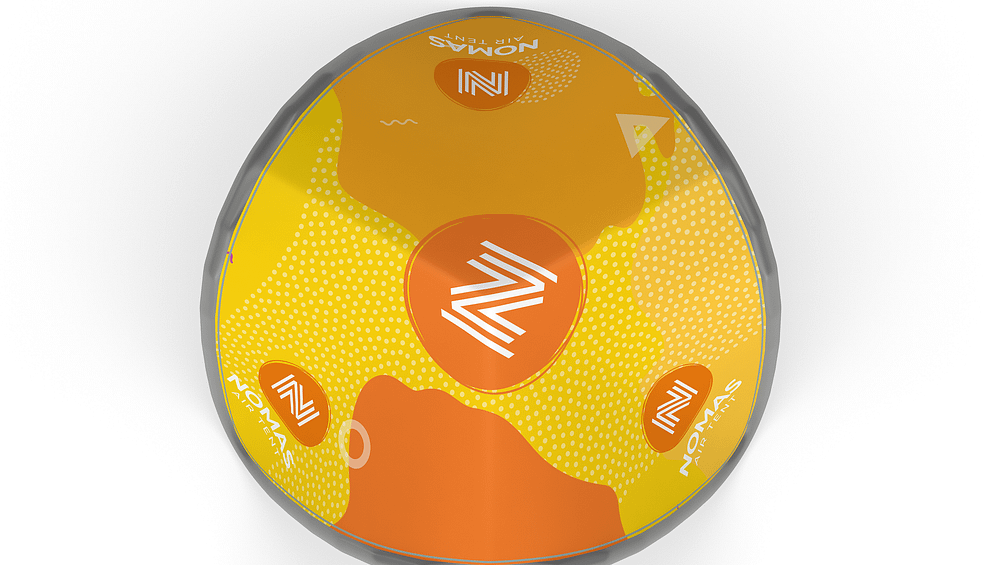
Choosing between inflatable tents and traditional tents is no longer a niche question for Australian organisers. As brands, councils and community groups return to large-scale gatherings, the decision can shape the comfort, safety and impact of every campaign. For marketers and event planners balancing budget, deadlines and brand exposure, the right structure is as critical as the site permit or sound system.
Inflatable Tents vs. Traditional Tents: Which is Right for You?
The primary difference between inflatable tents and traditional tents lies in how they create structure and how quickly they go from bag to functional space. Inflatable models rely on air beams that are pumped up on-site, while traditional designs use rigid poles, guy ropes and pegs. For time-poor Australian teams delivering roadshows or regional tours, those extra minutes in bump-in and bump-out can make or break a schedule.
How Inflatable Tents Work in the Australian Event Landscape
Inflatable tents use reinforced PVC or heavy-duty polyester sleeves that become rigid once pressurised, forming arches or frames. This approach allows large, open interiors without a maze of poles, which is attractive for product demos, tasting stations or a portable event reception area. In practice, most mid-sized units can be inflated and tensioned in under 10 minutes with an electric pump, even by a small crew.
- Rapid deployment in tight event schedules and pop-up campaigns
- Open-plan interiors ideal for displays, activations and public flow
- Flexible structures that can absorb gusty coastal winds without snapping
- Distinctive shapes that support Outdoor Promotional Tents and brand campaigns
- Scalable options from small kiosks to Inflatable Event Tents for large crowds
For many Australian organisers, the real question is not which tent looks best in a brochure, but which shelter will stand up to real-world weather, tight bump-in windows and demanding brand activations.
Traditional Tents: Familiar Reliability for Challenging Conditions
Traditional pole-based tents remain a mainstay for regional fairs, school events and community festivals, particularly where crews are familiar with the hardware. Aluminium or steel frames, supported by guy ropes and pegs, allow precise control over tension and footprint on uneven ground. In prolonged rain or strong winds, a well-rigged canvas or polyester frame tent continues to deliver reliable performance.
For campaign managers, the trade-off is time and labour. Larger pole structures generally need more hands and a longer setup window, particularly when combined with Branded Event Seating or staging. However, they offer proven compatibility with custom logo shade structures, banners and lighting rigs, making them a safe choice for complex production briefs.
Weather, Durability and On-Site Risk Management
Australia’s weather extremes demand more than attractive branding; structures must cope with sudden southerly busters, coastal squalls and intense UV. Inflatable tents handle gusty conditions well because air beams flex and recover instead of kinking or snapping. When weighted correctly and paired with a weatherproof outdoor promo canopy extension, they provide robust, enclosed shelter.
Their vulnerability lies in punctures from sharp objects or mishandled packing. Most minor damage is fixable on-site with patch kits, but serious beam failure may require backup stock. Traditional framed tents, by contrast, depend on pole strength and proper anchoring. When erected by experienced crews, they excel in sustained bad weather and can be combined with inflatable trade show shelters for specialised zones such as VIP spaces or demo pods.
Brand Experience, Comfort and Layout Options
From a visitor’s perspective, comfort and flow are often the difference between a quick visit and a meaningful dwell. Inflatable tents typically offer generous headroom, wide entrances and clean internal lines, making them ideal for a temporary brand activation lounge or media hub. Their organic curves also stand out in crowded precincts, helping brands cut through visual noise.
Traditional tents provide greater variety in shapes, such as gable structures, pagodas and marquees, which can be combined to form distinct zones. These work well with modular branded seating pods, tasting counters and product trial areas. For multi-day festivals, organisers may deploy an inflatable festival chill-out zone alongside classic marquees, giving patrons clear choices between shaded rest areas and high-traffic activity spaces.
Speed, Logistics and Budget Pressures
In a constrained events market, every extra truck, crew member and hour of hire impacts the bottom line. Inflatable tents shine where quick setup marketing pavilion needs dominate, such as regional road tours, pop-up sports activations or last-minute council events. Fewer hard components mean faster pack-down and less chance of missing poles or fittings.
On the other hand, traditional tents often deliver better value when events run over several days on a fixed site. Hire companies can leverage existing stock and standard layouts to reduce costs. Brands planning a full precinct, with Tents & Seating, hospitality areas and back-of-house storage, may opt for a hybrid mix to balance cost, speed and visual impact across the site.
For larger campaigns, planners are also weighing the role of a portable event reception area at entry points, helping manage crowd flow, ticketing and first impressions. Whether inflatable or pole-based, the chosen structure should integrate clearly with wayfinding, queues and security checks.
Once crowd comfort is addressed, brands can push further with custom elements such as a temporary brand activation lounge with soft furnishings, or a modular run of custom logo shade structures that link main stages, food trucks and kids’ areas. In each case, tent choice affects how easily these add-ons can be rigged and themed.
As campaigns grow more sophisticated, planners increasingly pair shelters with initiatives like a weatherproof outdoor promo canopy, Inflatable Event Tents and modular branded seating pods to maximise branded touchpoints without overwhelming visitors. The most effective sites keep navigation intuitive, seating generous and sightlines open to hero the key messages.
Whether you are planning a local community day, a national roadshow or a one-off festival, the decision between inflatable tents and traditional tents is best made with clear objectives and local knowledge. A specialist supplier that works daily with Inflatable Event Tents, classic marquees and Branded Event Seating can help you map weather risks, site access constraints and brand goals into a practical layout.
If you are ready to design a site plan that balances visual impact, visitor comfort and efficient bump-in, now is the time to speak with an expert. Talk to a specialist team today to discuss the right mix of tents, shade and Tents & Seating for your next Australian event, and request a tailored quote that aligns with your campaign goals and budget.


