
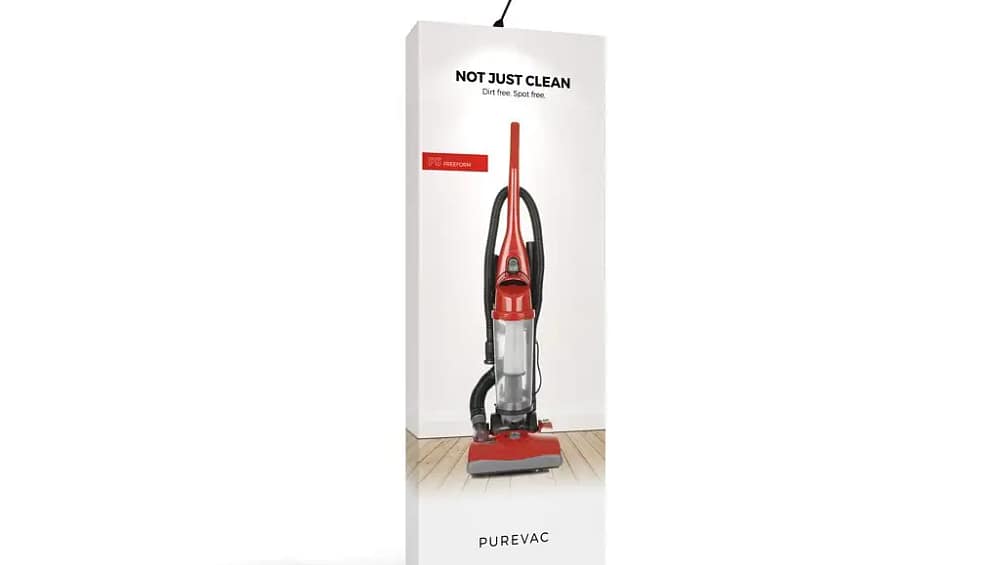
Introduction to OneFabric Pop-Up Banner Assembly
OneFabric Pop-Up Banners offer a versatile way to create custom fabric displays that look professional while remaining easy to transport and assemble. These systems are designed with busy marketing teams in mind, enabling you to set up a polished backdrop in just a few minutes without specialized tools or extensive training. Whether you are attending a trade show, conference, retail promotion, or corporate presentation, the banners function as portable advertising solutions that help you stand out from competing booths. Because the frame and graphic are engineered to work together, the final result is a smooth, tensioned surface that showcases your branding clearly. Understanding each step of the assembly process ensures that your display looks consistent from event to event, regardless of who on your team is responsible for setup. With a bit of practice, you can achieve a reliable, repeatable process that supports a wide range of event marketing tools in your program. The combination of portability, durability, and visual impact makes these systems a strong investment for long-term use. By following the guidance below, you can maximize both the efficiency of your setup and the service life of your OneFabric Pop-Up Banners.
Begin every setup by unpacking your OneFabric Pop-Up Banner kit in an organized manner, placing each component on a clean, flat surface. Carefully remove the collapsible frame from the carrying case and check that there are no bent sections, loose joints, or missing connectors. Lay out the printed fabric graphic separately so the material can relax and any minor wrinkles can begin to fall out before you attach it to the frame. At this stage, verify that any stabilizing feet, connector pieces, and optional lighting accessories are present, as these small elements are easy to misplace between events. Taking a moment for this quick inventory helps prevent delays later, particularly when time is limited at a busy venue. Because these banners are often part of lightweight trade show backdrops, maintaining a complete and well-organized kit contributes directly to a smooth installation. If you notice any signs of damage, it is better to address them immediately rather than trying to compensate during setup. This disciplined unpacking routine sets a professional tone for the rest of your assembly process.
Once you have confirmed that all parts are present, position the folded frame upright on the floor with enough open space for it to expand fully. Grasp opposite corners or designated pull points and gently extend the structure outward, allowing the scissor-like framework to unfold. As the frame opens, you will feel or hear the locking mechanisms at each joint engage, indicating that the system is reaching its full structural integrity. Continue pulling until the frame stands at its complete height and width, ensuring that all clips or locks are firmly seated and no sections remain partially collapsed. This step is essential for portable fabric banner stands, because an incompletely expanded frame can lead to sagging graphics or instability once the fabric is attached. Take a moment to visually inspect the grid structure from different angles, confirming that it is square, level, and not leaning. If your model includes cross-braces or additional connectors, attach them now according to the manufacturer’s diagram. A properly expanded and locked frame forms the backbone of a reliable and professional display.
With the frame secured, you can attach the fabric graphic panel, which is the focal point of your branding. Lay the graphic face up and identify the top edge, which may be marked with labels, stitching cues, or a slightly different finishing detail. Starting at one top corner of the frame, align the corresponding corner of the graphic and fasten it using the integrated Velcro, magnets, or clips provided with your system. Work methodically across the top, pressing or snapping each attachment point into place while maintaining gentle tension on the fabric to avoid puckering. Once the top is fully secured, move down each side, smoothing the material with your hands as you go to encourage a clean, wrinkle-free surface. This careful approach helps you create reusable pop up displays that maintain a consistent appearance at every event. Check that any seams or design elements in the artwork line up correctly across the width and height of the banner. If necessary, detach and realign small sections until the visual layout matches your expectations.
After the graphic is attached, turn your attention to stabilizing and fine-tuning the overall positioning of the banner. If your system includes stabilizing feet or base supports, attach them at the bottom of the frame, following the orientation recommended in the instructions. These components are particularly important in high-traffic venues where accidental bumps, air movement, or uneven flooring can affect the structure. Step several feet back and view the display from the front and both sides, checking that the banner stands straight, with no visible twists or leaning. Minor rotations of the feet or subtle shifts of the frame can correct small alignment issues, especially on floors that are not perfectly level. Because tension fabric event signage is designed to look sleek and uninterrupted, invest a few moments in smoothing out remaining ripples or creases by gently tugging on the edges and re-securing the attachment points. This final adjustment phase helps ensure that photographs, branding elements, and text read clearly from a distance. A stable, well-aligned banner reflects positively on your organization’s attention to detail.
Once the banner is structurally sound, install any optional accessories that enhance visibility and impact. Many OneFabric systems support clip-on or rail-mounted lighting that illuminates the graphic from above, drawing attention in crowded environments. Carefully attach each light fixture to the designated mounting points, ensuring that clamps are tight but not over-tightened, which could damage the frame. Route power cables neatly along the back or side of the structure, securing them to avoid tripping hazards and keeping walkways clear. This step is especially important when your booth design integrates instant setup display walls with other components, as cluttered cables can detract from an otherwise professional presentation. After connecting to power, test the lights to confirm that they operate correctly and are aimed to minimize glare or hot spots on the fabric. Conduct a final visual inspection of the entire system, confirming that all parts are secure and that the finished display aligns with your branding standards. This thorough approach helps you avoid last-minute corrections when attendees begin to arrive.
Efficient assembly is only part of achieving long-term value from your OneFabric Pop-Up Banners; proper repacking and storage are equally important. At the conclusion of your event, take time to remove dust or fingerprints from the fabric using appropriate cleaning wipes or a soft cloth recommended by the manufacturer. Detach the graphic carefully, fold it loosely along natural seams or printed guides, and avoid hard creases that could become visible during future setups. Collapse the frame by releasing the locking mechanisms and guiding the structure inward, keeping fingers clear of moving joints. Because these systems are often included in compact trade show kits, packing them thoughtfully ensures that everything fits into the provided case without strain. Coil any power cables neatly, store lights in their protective compartments, and verify that all small accessories are accounted for before closing the case. When possible, store the entire kit in a cool, dry environment away from direct sunlight to prevent fading or material degradation. This routine preserves the appearance and function of your display over multiple uses.
To streamline future installations, consider documenting your process and sharing it with your team so that everyone follows the same steps. A brief checklist or laminated instruction sheet kept inside the case can serve as a quick reference, especially for colleagues who assemble the banner less frequently. Because these products function as collapsible exhibition backdrops, standardizing your method reduces the risk of errors when you are under time pressure at a busy venue. Encourage team members to practice assembly and teardown in the office before major events, noting any challenges or questions and refining your checklist accordingly. Over time, this preparation leads to a confident, consistent routine that supports your broader event strategy. When combined with other tool free display systems and display accessories, OneFabric Pop-Up Banners become a dependable foundation for a cohesive, professional booth. By investing a small amount of effort into process improvement and care, you ensure that your banners continue to deliver strong visual impact and operational convenience across many events.


