
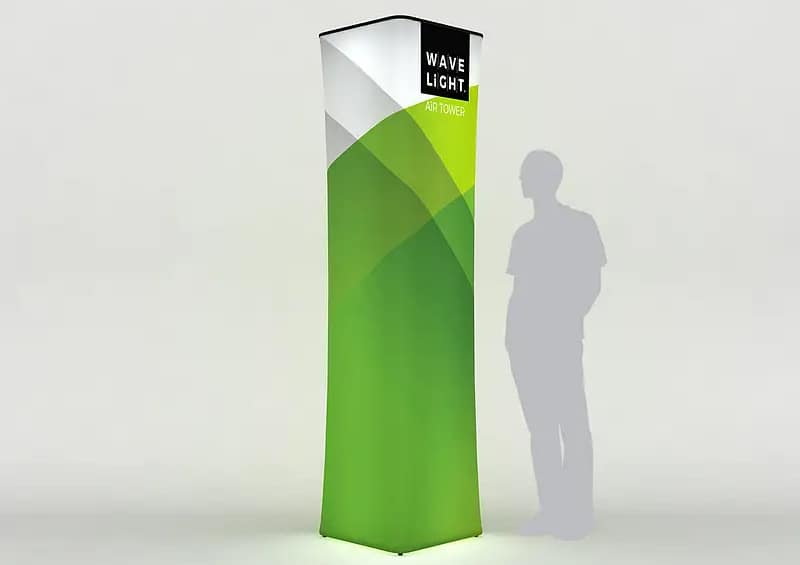
Many Australian event organisers treat inflatable display towers as set-and-forget props, but the setup and takedown process for WaveLight® Air Towers hides far more risk than most crews realise. Under pressure in tight bump-in and bump-out windows, small shortcuts can turn these portable illuminated towers from a time-saving asset into a safety liability and a silent budget drain.
Understanding the Risks in the Setup and Takedown Process
Across venues in Sydney, Melbourne, Brisbane and regional centres, crews often rush inflation, positioning and pack-down to keep schedules on track. Over-inflation, unstable bases or poorly routed power leads can undermine the structural stability of inflatable display towers and increase the chance of trip hazards. When guidance is unclear, workers frequently improvise, assuming these towers behave like casual party inflatables rather than professional equipment.
Why a Clear Method Matters for Safety and Compliance
Australian event safety guidelines demand clear egress routes, stable structures and controlled electrical setups, yet air towers are often positioned near entries, bars or queues without proper anchoring. A leaning or wobbling tower might seem like a cosmetic issue, but in a crowded space it can obstruct movement or distract from critical signage. Misused power boards, tangled LED cables and damaged plugs also raise the risk of electrical faults that may breach venue conditions.

Common Mistakes Costing Time, Money and Brand Impact
Problems usually start with overlooked basics. Crews inflate on uneven floors, stretch graphics over over-pressurised frames, or drag units across abrasive surfaces when clearing the floor. This accelerates wear on reusable event tower graphics and can cause scuffed bases, frayed seams and warped zips. In roadshows or multi-city tours, repeated rough handling quickly converts into higher replacement costs, freight delays and gaps in carefully planned custom branding solutions.
- Wrinkled, sagging or misaligned graphics that never quite sit straight, even after adjustment.
- Towers that slowly lean, rotate or wobble over the course of a show day.
- Power and data cables creating improvised trip points around branded inflatable signage.
- Discoloured or flickering LEDs inside backlit inflatable towers due to bent connectors.
- Cases filling with damp, dusty or creased custom-printed air towers after each bump-out.
These warning signs suggest your method is ad hoc, not documented. When each crew member follows a different routine, presentation varies from site to site, undermining the consistency expected from high-visibility event landmarks and lightweight trade show towers. Over time, this inconsistency erodes brand impact and obscures the real cost of what were meant to be reusable, modular experiential displays.
Improving outcomes rarely requires extra staff; it demands a simple, shared process built specifically for WaveLight® Air Towers. Clear checklists, laminated quick guides and site plans that specify power access and safe cable routes can compress setup time while protecting portable event signage from avoidable damage. As you review your current workflow from unboxing to storage, consider whether your team is treating these units like professional hardware or disposable props.
If you are unsure, now is the time to audit your bump-in and bump-out routine, identify weak points and seek expert guidance on safer handling of portable illuminated towers before the next show. Not sure if your team is handling inflatables correctly? Review your current process, then speak with an event display expert to refine your setup and takedown routine before your next show.


