
Fabric Banners in 2026: Innovations in Printing Technology
Across Australia, marketing teams are reassessing traditional PVC signage and looking for lighter, more sustainable options. Fabric Banners are emerging as the preferred solution for events, retail roll‑outs and touring exhibitions, thanks to sharper print quality and easier logistics. In 2026, advances in dye‑sublimation and UV‑LED textile printing are delivering richer colour, shorter lead times and more flexible display formats for brands under pressure to do more with less.
The rise of Fabric Banners in 2026
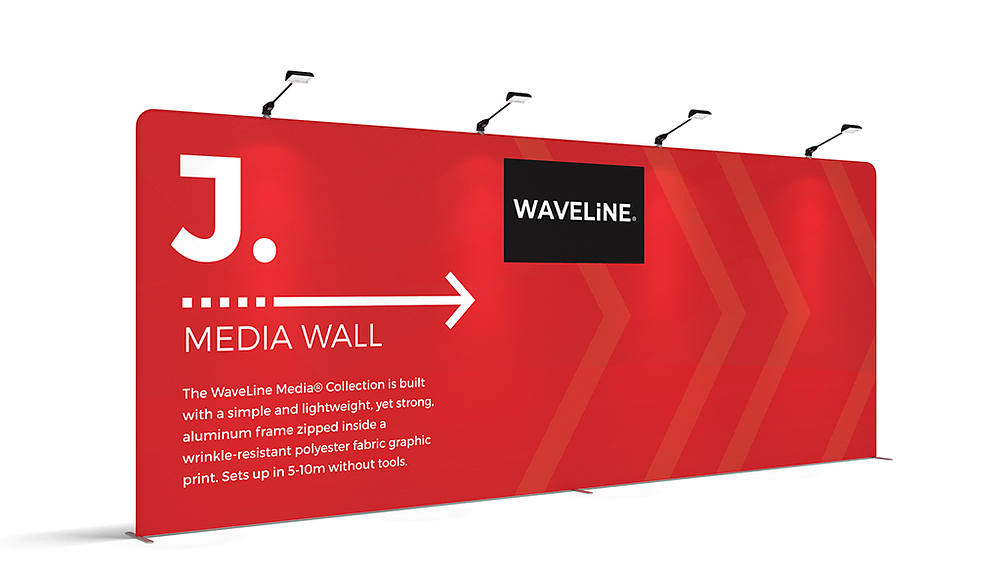
Behind the surge in soft signage is rapid growth in dye‑sublimation textile printing, with analysts tipping Australia and New Zealand to outpace global averages. For marketers, that means expanded capacity, more competitive pricing and access to specialist providers offering everything from seamless fabric media walls to collapsible fabric trade show kits. This shift is particularly evident in conferences, pop‑ups and roadshows where lightweight, foldable graphics reduce freight costs and damage risk while still meeting demanding brand standards.
Printing technologies and format options
Dye‑sublimation remains the backbone of soft signage, bonding water‑based inks into polyester fibres to create durable, machine‑washable graphics that pack down for travel. This process suits Tension Fabric Displays, large media walls and reusable tension fabric backdrops where crease resistance and colour depth are critical. UV‑LED platforms, meanwhile, support thicker textiles and composite panels, enabling double sided fabric exhibition graphics or integrated campaigns that mix soft signage with rigid panels from the same machine.
- Fabric Exhibition Banners for conferences and product launches needing premium print quality
- Portable Fabric Displays for shopping centre activations and regional roadshows
- modular tension fabric systems that reconfigure for different venues and stand sizes
- backlit portable fabric stands using silicone‑edge graphics and LED frames for high‑impact retail
- custom shaped fabric banner walls and lightweight hanging fabric structures for brand theatre
Material choice is now a central part of the decision. Australian suppliers are rolling out biodegradable polyester incorporating additives like CiCLO, designed to break down more rapidly in landfill than conventional PET. For brands with strict sustainability targets, these fabrics sit alongside recycled PET textiles, PVC‑free blockout options and hardware built around modular aluminium frames. When specified carefully, Portable Fabric Displays can be re‑skinned for new campaigns while retaining frames, reducing waste and total lifecycle cost.
To choose the right specification, marketers should weigh venue lighting, viewing distance, re‑use plans and pack‑down constraints. High‑end exhibition programs may prioritise seamless fabric media walls printed on dense blockout textiles, while outdoor festivals might favour mesh that relieves wind load. Indoor media backdrops often pair matte 230–250 gsm polyester with custom shaped fabric banner walls to control glare on camera. For touring campaigns, collapsible fabric trade show kits and modular tension fabric systems make it easier to adjust layouts between cities.
Given the pace of change in fabrics, inks and finishing, engaging an Australian print specialist early in the planning cycle helps de‑risk colour, timelines and budget. A consultative supplier can compare dye‑sublimation versus UV‑LED for your mix of venues, recommend whether backlit portable fabric stands or standard frames are warranted, and run test prints before sign‑off. If you are planning your 2026 calendar, now is the time to audit existing signage, map opportunities for upgraded Fabric Banners and book a consultation to clarify your best options.


