
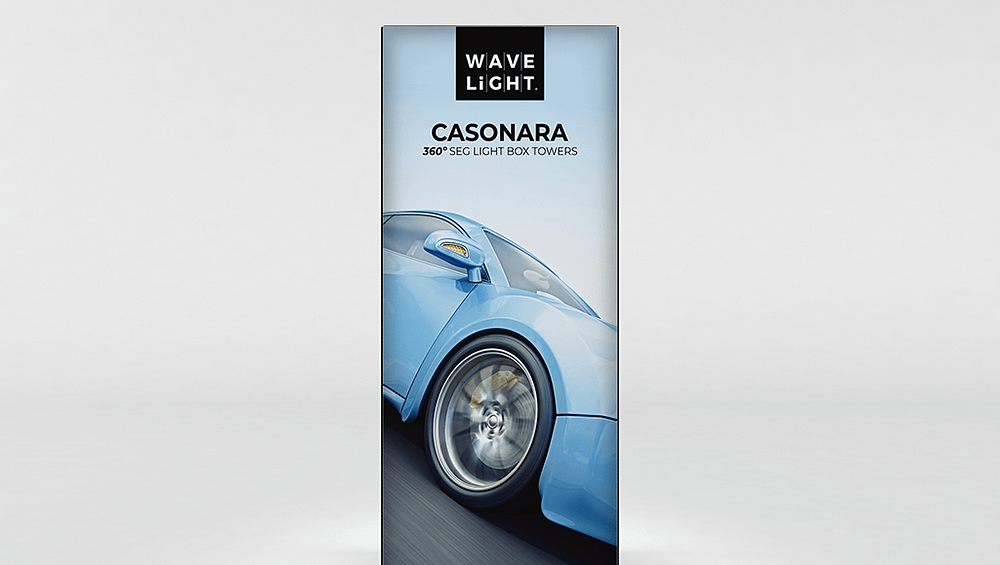
Event Layout Strategies: Integrating Display Towers for Impact is rapidly becoming a core focus for Australian organisers looking to cut through visual clutter and drive measurable results. From trade expos in Melbourne to outdoor festivals in Perth, vertical structures are evolving from simple branding tools into functional landmarks that influence how people move, explore and engage. Used well, they boost visibility, improve navigation and support data capture, turning event space into a more accountable marketing channel.
Understanding the role of display towers in modern event design
Across Australian venues, Exhibition Display Towers now act as both attention magnets and navigational anchors. By lifting key messages above shoulder height, organisers stay visible even when aisles are packed and sightlines are busy. Research from exhibition bodies suggests multilevel structures can significantly increase engagement compared with flat signage alone, particularly when towers are visible from multiple approaches. For brands under pressure to justify spend, this elevated visibility can directly influence lead volume and dwell time on stand.
Event layout strategies that maximise impact
Strategic placement is the difference between a tower that simply looks impressive and one that shapes behaviour. A hero tower near the main entrance can signal arrival and set the tone for the experience ahead, while a central structure in a large pavilion acts as a natural orientation point. In outdoor environments, branded wayfinding tower signs spaced along key paths can guide crowds smoothly without heavy-handed barricading. For sponsors, floor-to-ceiling expo towers positioned at feature zones create premium real estate that is hard to overlook.
- Use a prominent hero tower to frame your entry point and reinforce the event’s core message.
- Cluster towers at decision points where visitors choose between zones, stages or halls.
- Deploy illuminated structures to draw visitors along primary pathways after dark.
- Pair tower backdrops for event stages with matching podiums to create cohesive focal areas.
- Reserve key sightline positions for major sponsors or headline product launches.
Well-planned display towers are more than vertical billboards; they are structural storytelling devices that organise space, direct attention and make brand experiences easier to navigate.
Designing towers that support safe, intuitive traffic flow
Effective layouts treat towers as part of a circulation plan rather than stand-alone sculptures. Positioning tower displays for tight venues just off main thoroughfares keeps aisles moving while still capturing passing attention. Incorporating clear arrows, colour-coded zones and maps can transform a branded structure into a practical wayfinding hub. Australian venue managers are also increasingly strict about OH&S, expecting organisers to allow generous clearance around tall elements and to consider visibility for wheelchair users and children.
Design details matter. Double-sided display columns ensure messaging is legible from both directions, reducing confusion and unnecessary backtracking. Modular podium and tower kits allow layouts to be reconfigured between show days or reused across different states without costly redesigns. For product-focused stands, podium-mounted product demo stations at the base of a tower bring visitors closer to the brand story, encouraging hands-on exploration rather than passive viewing from the aisle.
Integrating technology, lighting and interactive content
Technology is reshaping how towers perform on the show floor. Touchscreens embedded into vertical structures can host catalogues, surveys or prize draws that convert casual interest into leads. At consumer expos, AR features and gamified quizzes deployed on Towers & Podiums are proving effective in holding attention during busy sessions. For brands experimenting with Inflatable Event Displays, integrating simple QR codes and digital prompts maintains interactivity without heavy hardware.
Lighting remains one of the most cost-effective ways to differentiate vertical structures from surrounding noise. Curated lighting options for display pillars—such as colour shifts tied to program moments, subtle motion effects or backlit hero graphics—can draw the eye without overwhelming the space. When combined with tower backdrops for event stages, considered lighting helps presenters stand out in photographs and livestreams, extending the event’s reach well beyond attendees in the room.
From concept to delivery: why expert support matters
Bringing towers into a live environment is as much an engineering and logistics task as it is a creative one. Ceiling heights, rigging points, bump-in windows and regional compliance rules all shape what can safely be built within budget. Experienced Australian suppliers understand how to design Portable Event Podiums and vertical structures that pack down efficiently, travel between cities and install quickly within tight access constraints. They can also advise when floor-to-ceiling expo towers are viable and when lighter-weight alternatives are safer.
For marketing and events teams, partnering with specialists helps align structures with campaign objectives. A good provider will map sightlines to your hero products, ensure consistency between physical graphics and digital content, and propose tower displays for tight venues that still meet brand standards. Many now bundle measurement tools, making it easier to review foot traffic, dwell time and lead capture performance once the event is over.
To explore practical tower solutions and integrated layouts tailored to Australian venues, talk with a provider experienced in designing Towers & Podiums that balance impact, compliance and budget.


