
Choosing Between Single-Sided and Double-Sided Fabric Banners
Choosing between single-sided and double-sided Fabric Banners is no longer a basic production choice; it is a strategic branding decision. As Australian marketers chase attention across events, retail, and hybrid experiences, fabric-based signage is increasingly treated as a media channel in its own right. The right configuration dictates how consistently a message appears across physical and digital touchpoints, particularly in user-generated content. Understanding how print, hardware, and environment intersect is now essential to protecting brand equity and campaign ROI.
In 2024, fabric is no longer just a substrate; it behaves like a media asset that must be briefed, planned, and optimised alongside digital.
Single-Sided Fabric Banners: A Targeted, High-Control Approach
Single-sided fabric graphics are most effective when the audience’s viewing angle is tightly controlled, such as stage backdrops, wall-mounted hero visuals, and large format fabric banner walls. In these situations, investing in richer colour management, better lighting, or modular tension fabric backdrops will usually outperform paying for unused reverse-side print. The real risk is not under-spending, but misallocating budget to surfaces customers never see. Treating single-sided as a deliberate choice allows more frequent creative refreshes that match campaign velocity.
Double-Sided Fabric Banners: Designing for 360-Degree Journeys
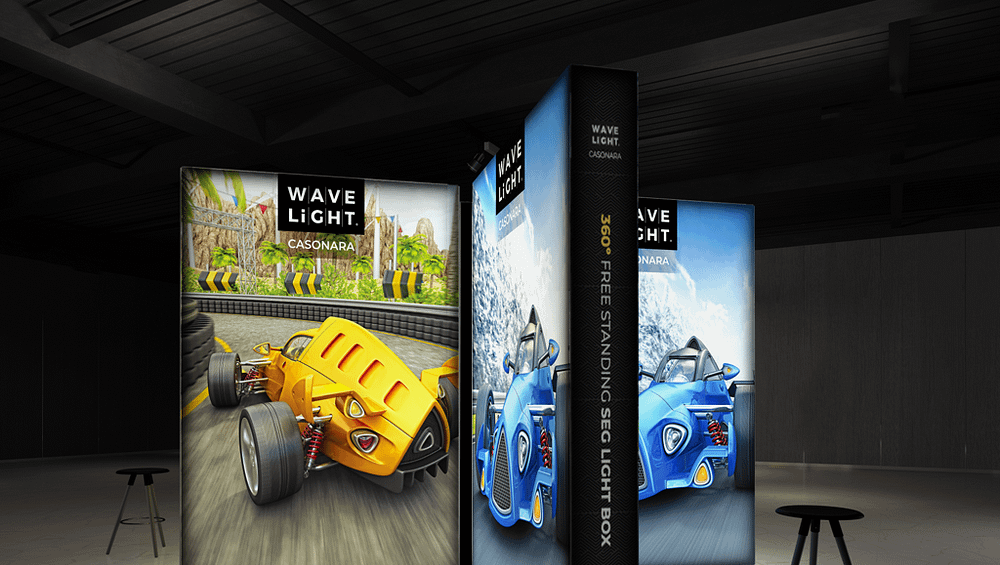
Double-sided solutions come into their own in high-traffic, multi-directional spaces like shopping centres, concourses, and exhibition aisles. When combined with hanging fabric display systems or freestanding double sided tension fabric frames, they function as media beacons that carry short, repeatable calls to action in every direction. For national campaigns, this improves message continuity between out-of-home, social content, and on-site activation. The capital outlay is higher, but in locations with strong footfall the cost per impression usually falls over the asset’s lifecycle.
Context, Content, and Lifecycle: A Strategic Framework
Marketers should evaluate context first: where does the banner sit in the customer journey and how will people move around it? Fabric Exhibition Banners at expos, for example, may need different messaging logic to backlit fabric exhibition stands in retail atriums. Content comes next: short offers suit Portable Fabric Displays, while corporate narratives often demand taller, more immersive executions. Finally, lifecycle matters; reusable portable fabric signage and lightweight fabric trade show kits support sustainable, multi-season deployment when messaging is more evergreen.
To move beyond tactical ordering, Australian brands should map sightlines, photography angles, and adjacent media before briefing suppliers. This is especially critical where Tension Fabric Displays must align with social and influencer content captured at events. For venue compliance, consider fabric weight, liners, and fire ratings early to avoid costly redesigns. When in doubt, treat print, hardware, and placement as a single system rather than isolated line items. Speak with a specialist print partner to review your current banner mix and identify where single or double-sided upgrades will drive the greatest uplift in visibility and campaign performance.


