
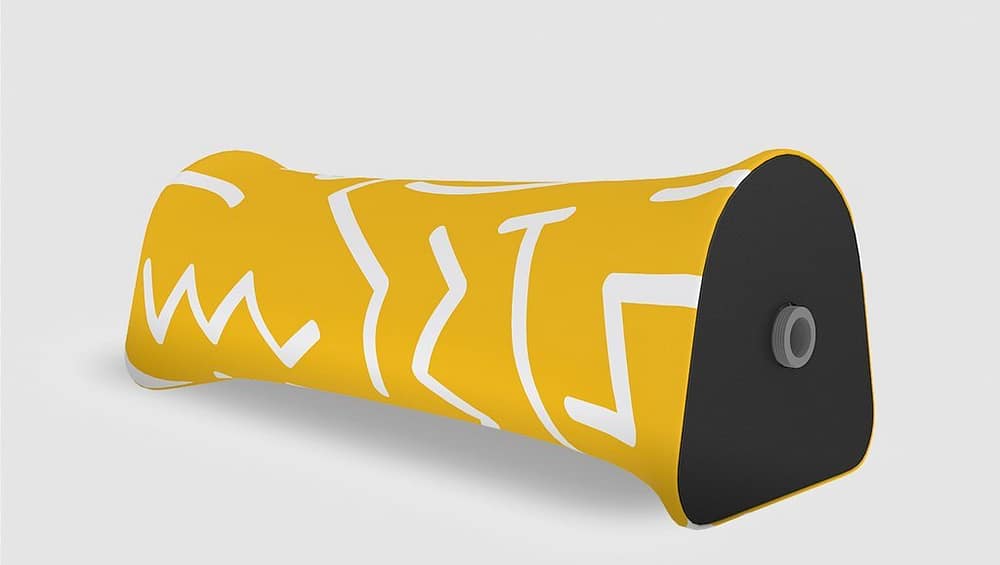
Designing activation areas with portable event infrastructure has become a critical priority for Australian brands looking to cut through crowded public spaces and deliver measurable results. As media channels fragment and audiences tune out traditional advertising, live brand experiences are increasingly where attention, content and data are won or lost. Marketers under pressure to prove ROI are turning to portable, scalable setups that can be deployed quickly across retail centres, stadium concourses and regional festivals without sacrificing creativity or safety.
Why activation areas matter more than ever
In-person activations give brands a rare chance to hold attention, spark conversations and capture first-party data in a privacy-conscious era. When the space is thoughtfully designed, visitors don’t just pass through; they linger, participate and share content that extends reach far beyond the event footprint. For Australian teams, this means designing environments that feel premium yet approachable, capable of hosting product trials, demonstrations and social content moments while coping with unpredictable weather and strict venue guidelines.
The role of portable event infrastructure in modern activations
Portable systems sit at the intersection of brand theatre and practical logistics, allowing teams to move fast without defaulting to generic setups. Lightweight staging, modular walling and custom-branded Outdoor Promotional Tents can be combined into repeatable kits that adapt to wildly different footprints, from narrow shopping centre corridors to expansive festival paddocks. Because these components flat-pack and reassemble, national campaigns can maintain a consistent look and feel while avoiding the cost and waste of building new structures in every city.
- Faster bump-in and bump-out, cutting labour costs and overtime risk.
- Reusable components that meet sustainability and waste-reduction targets.
- Flexible layouts that adjust to different sites, crowd volumes and run times.
- Consistent branding across shopping centres, stadiums, festivals and roadshows.
- Simplified freight and storage, enabling one kit to service multiple states.
The most effective activation areas are designed as travelling ecosystems: a core kit of portable structures, seating and technology that can be reshaped to suit each site while preserving a familiar, high-impact brand experience.
Planning the activation: from objectives to site constraints
Successful activation design starts on the strategy page, not the site map. Teams need to decide whether the primary goal is sampling, data capture, product trial, content creation or pure brand visibility, because that choice dictates everything from footprint size to whether Inflatable Event Tents or more conventional marquees are appropriate. A data-led roadshow might prioritise protected registration zones and clear queueing lanes, while a product launch could centre on demonstration benches and immersive tech-driven storytelling.
On the ground, Australian regulations quickly shape what is possible, particularly in CBD plazas, sporting precincts and shopping centres with strict risk profiles. Weight loading, egress requirements, electrical safety and wind ratings all influence which portable components are viable and how they must be anchored or ballasted. Weather resilience is a constant consideration, driving interest in weatherproof outdoor activation tents that can keep both visitors and staff comfortable through sudden heat, rain or wind shifts.
Designing the layout for flow, engagement and comfort
Once objectives and constraints are locked in, attention shifts to visitor journey and spatial psychology. Strong activation layouts create a clear visual hook from a distance, a welcoming entry point and intuitive movement through zones of discovery, interaction and capture. Portable walls, counters and towers help choreograph guest flow around tented seating without making the space feel closed or intimidating, giving casual passers-by permission to step in and explore.
Shelter and comfort are where design decisions often make or break performance. Combining Tents & Seating in deliberate clusters allows teams to slow people down for demonstrations, sign-ups or Q&A, while also providing natural backdrops for social content. Brands are increasingly experimenting with modular event seating layouts that can switch between theatre-style presentations, small group conversations and relaxed temporary outdoor lounge seating, depending on the schedule and crowd profile.
For sport and entertainment environments, comfortable branded spectator seating can extend dwell time dramatically, turning a simple sampling station into a destination where audiences choose to spend a break between matches or acts. At festival sites and regional shows, pop-up tents for mobile activations paired with Branded Event Seating offer much-needed shade and rest, positioning the brand as a practical ally rather than just another logo vying for attention. Thoughtful placement of charging points, hydration stations and kids’ corners can further encourage longer stays and higher engagement.
More experimental campaigns are incorporating an inflatable brand experience dome or festival-ready inflatable shade structures where site rules allow, giving brands a striking silhouette and enclosed canvas for projections, soundscapes or hands-on tech. These structures, when combined with Inflatable Event Tents at the perimeter, can create a layered environment that funnels visitors from curiosity to participation. The key is to maintain clear sightlines and ensure that calls to action are visible from multiple angles, so no interaction point feels hidden or confusing.
To convert foot traffic into measurable results, technology and infrastructure need to work in lockstep. LED screens, touch kiosks, QR-led competitions and tap-and-go registrations can all be mounted to portable frames, with cable paths planned early to keep trip hazards off the table. Integrating these touchpoints into the physical design – rather than adding them at the last minute – usually delivers higher completion rates and cleaner reporting. Teams planning national tours increasingly design once, then refine based on live data, tweaking copy, content and staffing rather than rebuilding hardware.
Sustainability has also shifted from “nice to have” to procurement requirement, particularly for corporates and government-backed initiatives. Portable infrastructure built from durable aluminium, recyclable fabrics and certified timbers makes it far easier to re-skin and redeploy sets across multiple campaigns. Instead of scrapping bespoke builds after a single weekend, organisers can rotate one kit through capital cities and regional dates, significantly reducing material waste and embodied emissions.
Common pitfalls emerge when creative ambition outpaces logistical reality. Over-specified structures that require specialised machinery or long access windows can trigger last-minute compromises once bump-in schedules collide with venue rules. Under-investment in staffing is another recurring issue: even the most striking dome or marquee will underperform if there are not enough trained brand ambassadors to manage queues, guide interactions and capture data. Working with suppliers who understand both design and delivery can help teams avoid these traps and build realistic timelines.
For organisations planning a run of launches, roadshows or sponsorship activations, the most effective approach is to treat the setup as a portable, scalable activation kit. Core elements such as shade structures, counters, storage, signage and seating are specified once, then packed and freighted as a repeatable system that can flex to site size and audience profile. Supplementary items, such as Inflatable Event Tents for hero moments or specialist tech rigs, can then be swapped in or out depending on budget and impact goals.
If you are mapping out your next activation calendar, now is the time to assess whether your current infrastructure is enabling agile, high-impact work or locking you into costly one-offs. A conversation with an experienced portable event specialist can help you stress-test ideas, refine your layout for engagement and comfort, and develop a travelling kit built to withstand Australian conditions. To explore how a tailored combination of tents, structures and seating could elevate your next campaign, request a consultation and customised quote today.


