
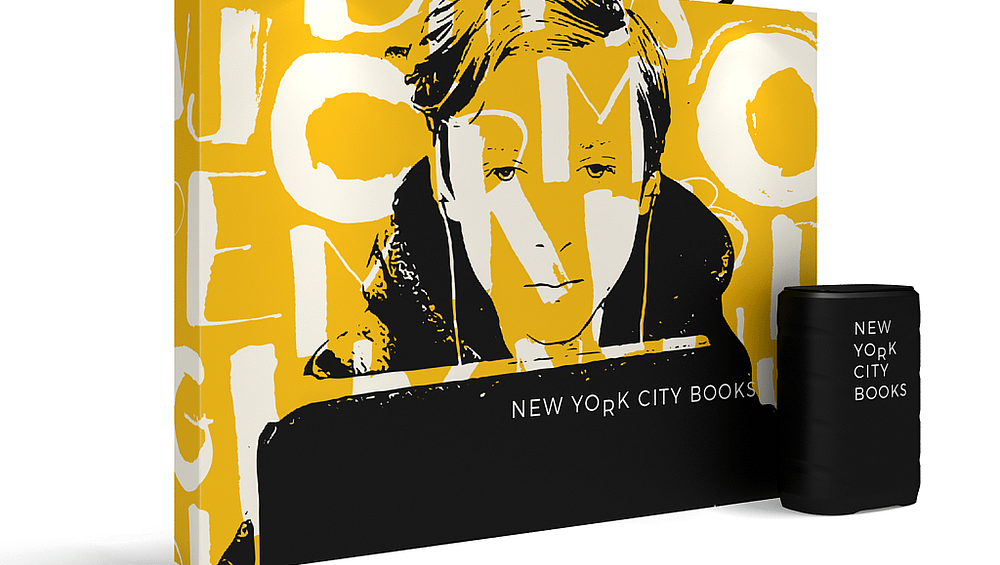
The future of Fabric Banners in experiential marketing is being written right now across Australian festivals, stadiums, retail activations, and hybrid events. As brands face rising expectations around sustainability, measurability, and creativity, fabric-based environments are shifting from tactical signage to strategic media. Forward-looking marketers are using fabric as a flexible platform for storytelling, data capture, and long-term asset management rather than a single-use line item in an event budget.
Forward-thinking brands are treating every square metre of fabric as programmable real estate for narrative, interaction, and measurable outcomes.
The strategic rise of fabric in experiential marketing
Australia’s experiential sector is evolving fast, with brands seeking high-impact visuals that install quickly, travel lightly, and adapt across formats. This is driving a shift towards Tension Fabric Displays, curved fabric display backdrops, and lightweight fabric booth structures that can be reconfigured across tours, pop-ups, and sponsorships. Rather than custom-building from scratch each time, marketers are investing in modular fabric exhibition systems that provide a scalable “kit-of-parts” foundation for multiple campaigns.
Sustainability, circular design, and operational efficiency
Procurement teams now scrutinise materials, ink systems, and end-of-life plans as closely as creative concepts. Recycled polyester, water-based inks, and reusable fabric event branding are increasingly written into briefs as non-negotiables. The most sophisticated brands specify frames that stay in circulation for years, while skins are swapped per campaign, supporting both cost control and emissions reduction. Over time, expect lifecycle reporting and verified take-back schemes to become standard criteria in tenders and supplier evaluations.
Technology-enabled storytelling and hybrid experiences
As physical and digital experiences converge, Fabric Exhibition Banners are being briefed alongside UX, media, and data teams rather than just print buyers. Hyper-local artwork, QR codes, NFC tags, and backlit tension fabric signage are turning once-static surfaces into interactive canvases that plug into broader content ecosystems. Immersive tension fabric backdrops and double-sided fabric graphic walls are designed with livestream sightlines, LED colour behaviour, and hybrid audience journeys in mind, creating richer attribution across channels.
Strategically, marketers should treat Fabric Banners as a long-term experiential infrastructure, not disposable décor. Conduct an audit of existing inventory to identify what can be repurposed into Portable Fabric Displays or portable fabric trade show kits, where waste can be eliminated, and where technology can add measurement. In a market where budgets are scrutinised and expectations are high, brands that rethink fabric as a sustainable, data-aware storytelling platform will be best placed to lead. Ready to reset your approach? Speak with a specialist to review your current environments and design a smarter, fabric-led experiential strategy.


