
Choosing the Right Frame for Your Illuminated Fabric Display
Choosing the right frame for your illuminated fabric display is now a pivotal decision for Australian retailers, exhibition teams and venue managers under pressure to deliver high-impact visuals with tight budgets and equally tight deadlines. As LED technology has matured, the hardware behind the glow has become just as important as the creative printed on the fabric. The wrong frame can leave campaigns looking patchy, underwhelming or difficult to maintain across multiple sites.
Why the frame is now a strategic choice
The frame in an illuminated fabric display does far more than hold a graphic in place; it shapes how evenly light spreads, how premium the unit appears in-store and how quickly teams can refresh campaigns. In busy shopping centres and exhibition halls, where sightlines are cluttered and attention spans are short, a poorly specified frame can make even the strongest creative disappear into the background. By contrast, a correctly engineered profile supports uniform brightness, clean fabric tension and a sleek edge that feels consistent with modern retail design.
Edge-lit, back-lit and format options
The first technical fork in the road is usually between edge-lit and back-lit configurations. An edge lit textile display frame positions LEDs around the perimeter, relying on diffusion materials to push light evenly across the face, which enables a slimmer profile suited to corridors, lift lobbies and tight retail window bays. Backlit Fabric Displays place diodes directly behind the fabric, demanding a deeper profile but rewarding brands with stronger punch and more consistent illumination on oversized formats.
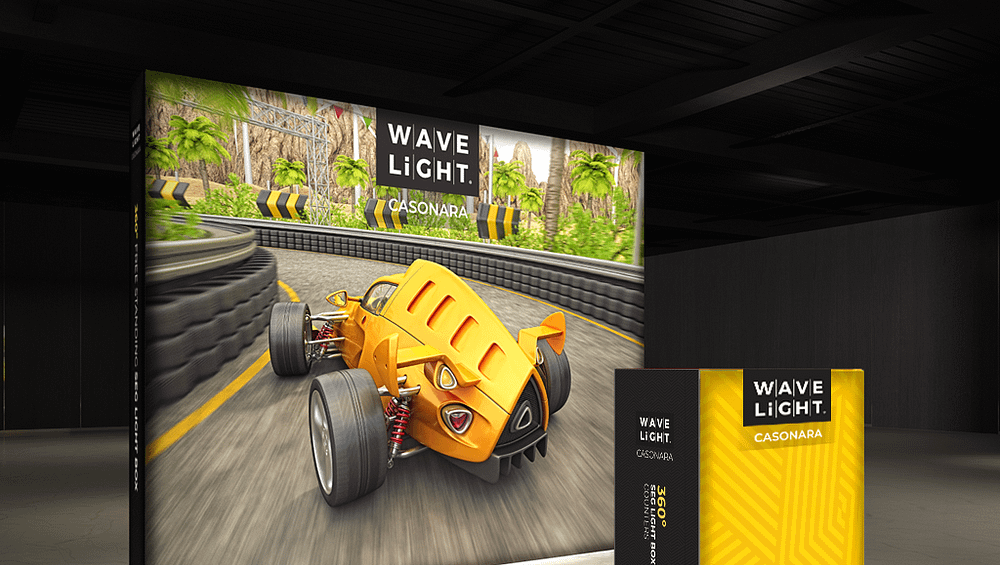
Format also matters. Wall mounted LED fabric frames integrate neatly into joinery and are ideal for permanent zones such as cosmetics, footwear or banking environments. Portable hardware such as a freestanding backlit banner frame or double sided illuminated fabric stands is favoured by event marketers and exhibition builders needing 360-degree visibility from changing approaches. Frameless backlit display systems can create almost seamless feature walls that feel architectural rather than temporary, lifting perceived brand value in premium fit-outs.
- Clarify whether the display is permanent, semi-permanent or campaign-based.
- Measure ceiling heights, viewing distances and surrounding ambient light levels.
- Decide if one-sided or double-sided visibility is required for the location.
- Confirm access to power and any cabling or landlord restrictions on site.
- Assess how frequently graphics will be changed and who will complete the swap-outs.
In a high-competition retail environment, the frame behind the print can be the difference between a campaign that glows and a campaign that disappears.
Build quality, assembly and fabric tension
Once depth and format are locked in, build quality becomes the next non-negotiable. Anodised aluminium seg fabric lightbox frames resist scratching during transport and installation, while precision corner joins help keep units perfectly square, which is critical for smooth fabric tension and clean edges. For national rollouts, consistent engineering standards reduce surprises on site and lower the risk of visible bowing or light leakage. Marketing teams increasingly ask for tool-less or minimal-tool systems that arrive with labelled parts and clear guides, allowing store staff to assemble and update displays without specialist shopfitters present.
The fabric component is just as important. Most Australian suppliers rely on silicone edge gaskets to lock prints into the channel, creating a drum-tight finish that supports even diffusion and a premium aesthetic. Dye-sublimated polyester remains the workhorse, offering sharp colour, resistance to scuffing and the ability to be folded for freight without permanent creasing. When paired with a correctly specified custom size lightbox display, the result is a unit that photographs well for social media and maintains consistency across a national network of stores or event activations.
Sustainability, safety and total cost of ownership
As sustainability expectations rise, procurement teams are probing beyond headline pricing to consider lifecycle impacts. LEDs in modern LED Exhibition Lightboxes typically consume significantly less energy than legacy fluorescent tubes and can be paired with timers or occupancy sensors to trim power use during off-peak trading hours. Aluminium frames are highly recyclable and can be re-skinned repeatedly, avoiding the waste associated with single-use posters and rigid substrates. Fabric choices now extend to recycled or low-VOC options, supporting corporate ESG narratives without sacrificing vibrancy.
Safety and compliance are never optional. Australian standards governing electrical components, fire performance and cabling routes are crucial considerations in shopping centres, airports and public venues. Working with a specialist who certifies drivers, LEDs and wiring for local conditions reduces risk during landlord approvals and subsequent audits. Over the life of an illuminated fabric display, these decisions directly influence maintenance costs, downtime and the likelihood of expensive remedial work if specifications fall short of regulations.
For brands evaluating Lightbox Fabric Banners across multiple locations, it is worth considering how a single hardware standard can streamline training, installation and spare-part management for the long term.
Different environments also call for specialised solutions: a retail window LED fabric frame facing strong daylight will demand higher brightness and deeper diffusion than an in-mall unit, while compact sites might prioritise ultra-slim profiles over maximum luminance. Illuminated Fabric Banners in museums or galleries may require more controlled, subtle lighting to protect surrounding exhibits while still drawing visitors towards feature content. Understanding these nuances early helps avoid under-specified hardware that disappears in bright conditions or over-specified units that add unnecessary cost without delivering extra value.
For businesses treating illuminated hardware as a strategic brand asset rather than a disposable sign, partnering with a specialist is often the missing piece. Experienced providers can survey each location, model light levels and recommend whether wall-mounted, ceiling-suspended or freestanding solutions will best match your traffic patterns and campaign cadence. They can also advise when frameless backlit configurations, edge-lit systems or deeper back-lit profiles will deliver the most impact for your budget.
To understand how a tailored combination of Lightbox Fabric Banners, wall solutions and portable frames could work across your network, consider booking a consultation with a specialist team that can translate brand objectives into practical, site-ready illuminated display solutions that are easy to roll out, maintain and scale nationally.


