
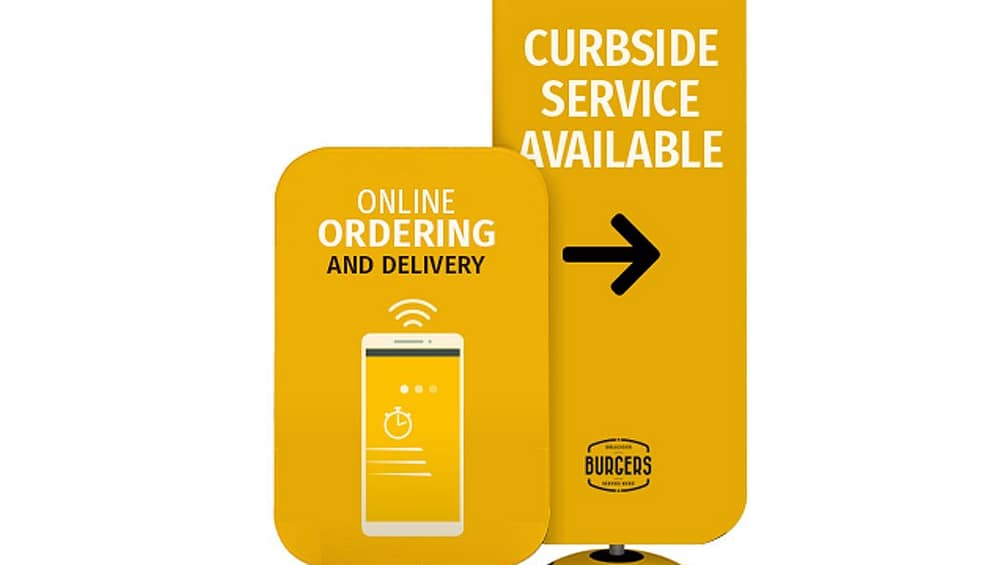
For many Australian retailers and service operators, effective promotional messaging strategies using display boards are an overlooked weakness. Stores invest heavily in fixtures, digital screens and print runs, yet the words on those surfaces are often rushed, inconsistent or unclear. In busy environments where shoppers make split‑second decisions, weak messages on highly visible boards quietly drain potential revenue and undermine brand trust.
Recognising the real cost of ineffective display messaging
In‑store media studies across Australia show that clear, well‑targeted signage can drive noticeable sales uplift on featured products. When display boards are treated as decoration, the result is missed impulse purchases, low engagement and customers walking past offers they never truly notice. Misaligned or vague messaging also reduces the impact of broader campaigns that rely on Advertising Display Boards, window screens or floor stands to close the loop at shelf.
How weak messages appear on Australian display boards
Common issues include cluttered layouts, tiny fine print and headlines that bury the offer in jargon. Supermarkets, pharmacies and fast‑casual venues frequently display multiple price points on one board, forcing shoppers to decode the real value while standing in a retail queue signage displays zone. Seasonal boards that stay up long after stock has changed, or interchangeable campaign message panels updated only halfway, further signal a lack of care and confuse repeat customers.
Why unclear display boards damage trust and efficiency
Regulators such as the ACCC have highlighted how ambiguous pricing and conditions on signs make value comparisons difficult. When promotional boards contradict shelf labels, or outdoor forecourt display boards fail to explain fuel or car‑wash offers, shoppers question the fairness of the deal. Similar problems arise with airport concourse information boards and double sided corridor display signs when timings or directions are unclear, leading to more questions for staff and frustrated visitors.
- Customers regularly asking staff to clarify prices, inclusions or limits printed on current boards.
- Promotional Banner Stands and point of sale promotional stands showing minimal sales uplift versus non‑featured lines.
- Event Signage Solutions that look sharp but fail to direct people clearly to entrances, sessions or facilities.
- modular trade show banner kits and directional event wayfinding signs that mix tones, fonts or outdated branding.
- Advertising Signage & Boards reused across campaigns without updating language, pricing or call to action.
When these issues persist, they point to a deeper strategic gap rather than a one‑off design flaw. Businesses relying heavily on Advertising Signage & Boards, particularly in competitive centres, risk being overshadowed by neighbours who refine messages based on shopper behaviour. For chains and franchises, inconsistent wording across locations can also dilute brand standards and make national promotions harder to execute cleanly.
Now is an ideal time to audit your current display inventory, from window posters to internal Advertising Display Boards and event collateral. Walk the store or venue like a first‑time visitor and note where messages feel unclear, outdated or easy to ignore. If you see recurring problems or staff constantly filling in the gaps, it may be worth speaking with a retail signage specialist to sharpen your strategy before weak messaging continues to erode results. Consider booking a consultation to review your boards, clarify your objectives and ensure every display is working harder for your business.