
Display Towers in 2026: Trends Shaping Event Experiences are exposing a widening performance gap at Australian exhibitions. As visitor expectations rise in Sydney, Melbourne and Brisbane, many stands still rely on static structures that no longer command attention. This problem is particularly acute with Exhibition Display Towers that were designed for older lighting conditions and less crowded show floors.
Why display towers are underperforming at Australian events
Across major convention centres, display towers are often treated as decorative extras rather than strategic tools. Non-illuminated graphics fade into the background once house lights are dimmed for presentations or product demos. Exhibitors assume height alone equals visibility, overlooking how glare, shadows and competing LEDs can render their branding almost invisible beyond a few metres.
The hidden costs of outdated display towers
Underpowered structures quietly drive up the cost per conversation. When attendees cannot spot your brand from key approach routes, they default to neighbouring stands with clearer sightlines. This effect is magnified when competitors are using illuminated presentation towers or motion-based content that naturally draws the eye. The opportunity cost shows up as shorter dwell times, fewer product demos and weaker post-event recall.
2026 trends reshaping display towers
By 2026, Australian exhibitors are increasingly favouring modular tower backdrops with integrated lighting, sensors and analytics. These systems can shift between double-sided display towers, branded navigation towers and tower displays for wayfinding, depending on each show’s layout. Organisers under pressure to cut waste are also looking to reuse frames and swap out fabric skins, rather than commissioning one-off builds that end up in landfill.
- Legacy towers that cannot support digital screens, data capture or AI-driven content scheduling.
- Systems that require tools, trades and long bump-in times for basic height or orientation changes.
- Reliance on Inflatable Event Displays as landmarks in venues with strict rigging and safety rules.
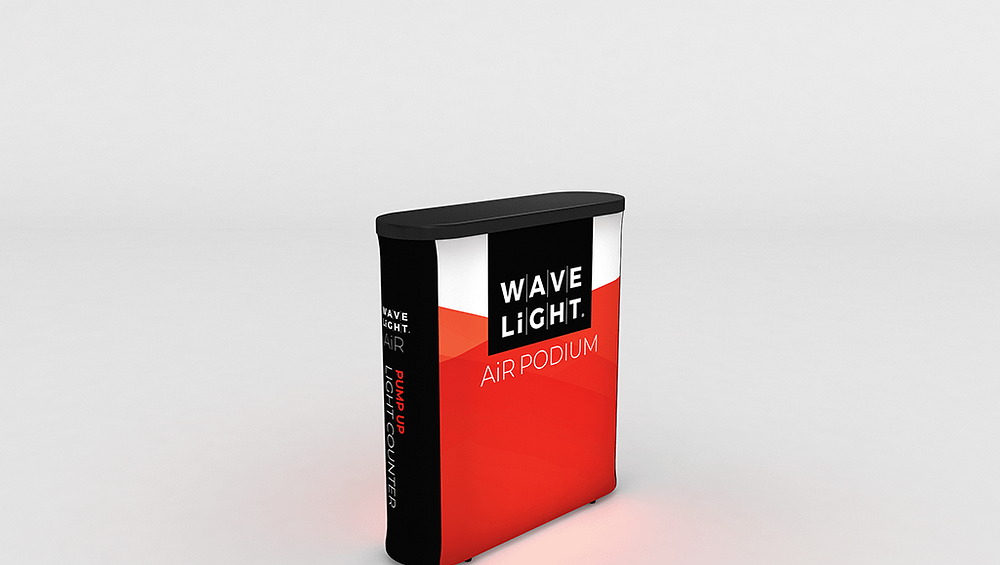
- Overuse of Portable Event Podiums and lightweight podium stands where compact podium solutions would free floor space.
- Missed wayfinding opportunities, especially at multi-hall shows and event podiums for small venues.
Another warning sign is when your stand only becomes a rendezvous point once visitors are already nearby. If staff repeatedly give basic directions that well-planned tower displays for wayfinding could handle, your structure is not doing its job. In contrast, exhibitors using flexible systems like Towers & Podiums can adapt layouts between capital-city shows without sacrificing impact or sustainability credentials.
For Australian organisers, the risk is incremental erosion rather than a single failure. Each event where your display towers underperform chips away at ROI while venue and freight costs increase. Before your next exhibition calendar locks in, assess whether your current setup can evolve towards 2026 standards. If not, speaking with a specialist now can help you reframe towers as genuine anchors of the experience and plan a strategic upgrade path instead of another short-term fix.