Weather-proofing an outdoor event in Australia starts with recognising how quickly local conditions can turn. A sunny forecast in the morning can give way to gusty winds, sideways rain, or oppressive heat by late afternoon. When organisers treat shelter as an afterthought, rather than a core safety and comfort issue, guests, staff, and equipment are suddenly exposed.
Weather Risks Hidden in Everyday Tents & Seating Decisions
Many planners assume any marquee or gazebo will cope, but Tents & Seating choices are often mismatched to the site and season. Lightweight structures that work in a backyard can become unstable in a coastal car park or exposed oval. Without shade planning, harsh UV can leave guests sunburnt and dehydrated, even on cooler days. Poorly considered layouts also create bottlenecks, forcing people into uncovered areas just when rain or wind hits.
Common Misconceptions About “Weather-Proof” Event Shelters
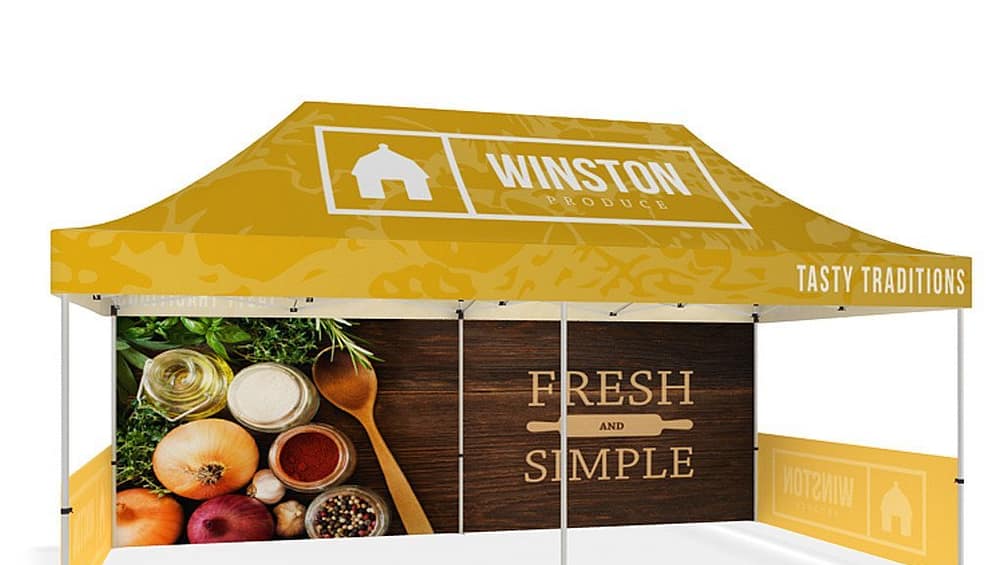
A recurring mistake is trusting basic “shower-proof” covers to handle serious downpours or storms. Fabrics not rated for persistent rain can stretch, leak, and pool water, overloading the frame. Similarly, many off-the-shelf Outdoor Promotional Tents are not engineered for the unpredictable gusts that sweep across Australian venues. Seating is often packed too tightly, leaving no space to move chairs away from leaks or wind, which increases discomfort and evacuation difficulty.
Warning Signs Your Current Setup Is Vulnerable
There are early indicators that a tented site is not coping with the elements. Flapping roof panels, straining poles, and ropes that need constant tightening suggest a structure pushed close to its limits. Inside, guests dragging chairs to escape glare show that shade and sun-shade solutions for guest comfort have been under-planned. Cables running through damp zones or across walkways turn minor leaks into electrical and trip hazards, especially once crowds build.
- Roof sagging and visible water pooling after short showers.
- Sidewalls billowing or detaching when wind direction changes.
- Catering, AV gear, or bars operating outside reliable cover.
- Guests bunching in narrow dry zones due to poor seating layouts.
- Crew constantly moving a pop-up shelter for rain to protect vulnerable areas.
Ignoring these red flags can escalate quickly, from damaged hire stock to cancelled performances and insurance complications if injuries occur. As events grow in size and complexity, the pressure on weather-resistant event canopies, covered seating layouts for festivals, and temporary outdoor hospitality areas only increases. That is where more robust options, such as Inflatable Event Tents, wind-rated inflatable structures, modular tents for activation zones, and carefully specified Branded Event Seating, become less a luxury and more a risk-management tool. Before your next outdoor gathering, audit your storm-ready outdoor tent setups and speak with an experienced provider to review capacity, anchoring, and contingency plans so your event remains safe, comfortable, and on schedule regardless of what the forecast delivers.