Innovative Display Towers: Enhancing Wayfinding at Events is becoming a critical focus for Australian organisers struggling with growing site complexity. As crowds swell at music festivals, expos and sporting fixtures, many venues are discovering that traditional signs are no longer enough to keep people moving safely and confidently. When guests cannot easily find stages, amenities or exits, frustration rises, dwell times blow out in the wrong places, and the whole event experience begins to suffer.
Understanding the role of display towers in wayfinding
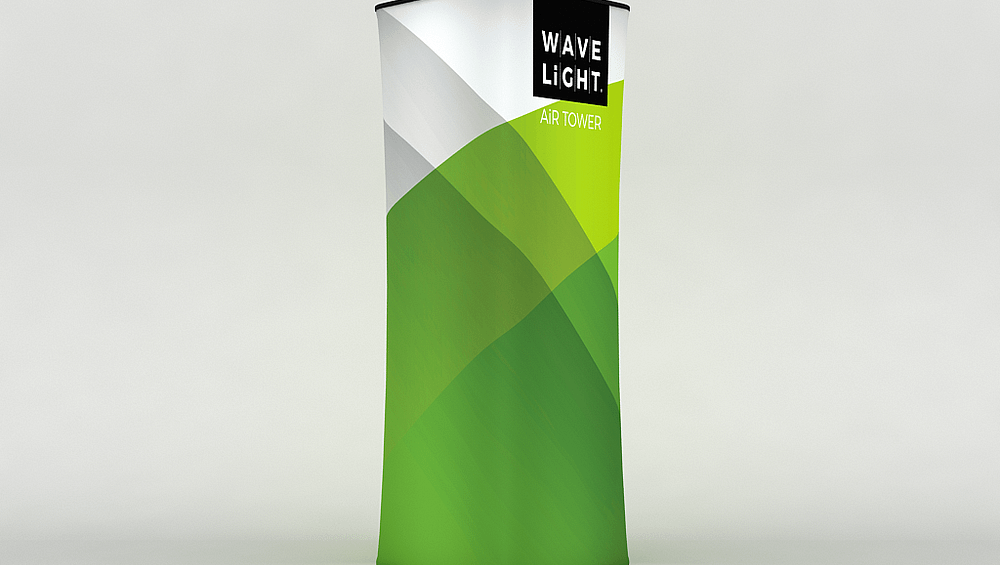
Modern display towers are emerging as a central tool in tower signage for wayfinding, standing above the crowd and cutting through visual noise. Rather than relying solely on static corflute or banner signs, organisers are experimenting with Exhibition Display Towers, Inflatable Event Displays and Portable Event Podiums to increase visibility from multiple angles. These structures are especially valuable on large, uneven sites where sightlines are inconsistent and crowds quickly block low-level signage.
Why poor wayfinding is a growing risk for events
Poorly thought-out wayfinding is no longer a minor irritation; it is a genuine operational and reputational risk. Inadequate or confusing signage can trigger congestion at entries, food queues and toilets, with guests venting on social media about “chaotic” layouts. As more sponsors expect measurable engagement, missing a branded zone because it is hard to find can weaken commercial partnerships and reduce the effectiveness of 360-degree event tower graphics positioned on key structures.
Innovative display towers and how they enhance navigation
Newer modular display tower systems allow content to be adjusted quickly as layouts change, minimising reliance on last-minute printed arrows taped to fences. At some Australian festivals, double-sided exhibition towers carry zone colours, maps and rotating sponsor messages, remaining legible from long distances. Others deploy inflatable wayfinding columns at key junctions to act as intuitive “meeting beacons” that help attendees orient themselves. Increasingly, LED-lit podium and tower combinations are used to highlight exits and transport hubs after dark.
- Attendees repeatedly ask staff for basic directions despite existing signs.
- Information booths attract long queues simply for wayfinding help.
- Emergency drills reveal confusion about routes and assembly areas.
- Key sponsors report low traffic in branded zones due to poor visibility.
- Ad hoc solutions like hand-written arrows appear on event day to plug gaps.
These warning signs suggest your current mix of banners, maps and Towers & Podiums may be underperforming. In some cases, portable podiums for demos are positioned without considering sightlines, so they fail to draw the crowds they were designed to attract. Poor planning can also undermine branded entrance tower arches, which should act as clear gateways for ticketed zones but often become photo backdrops with little directional value.
For organisers, the challenge is recognising when incremental fixes are no longer enough, and when a more strategic approach to tower-based signage is required. A considered plan for Innovative Display Towers: Enhancing Wayfinding at Events should factor in crowd modelling, peak movement times and how guests actually read information on the move. If your team is relying on guesswork rather than data, now is the moment to reassess before the next event exposes the same weaknesses.
To avoid repeat complaints and operational headaches, review attendee feedback, map the busiest paths, and examine how your current towers are performing at different times of day. Consider whether your infrastructure can adapt, or if you need more flexible solutions such as portable event podiums or modular towers that can be redeployed across multiple sites. If internal expertise is limited, speak with a specialist in event structures and wayfinding to audit your current approach, then book a consultation to identify practical upgrades before small frustrations turn into bigger safety and reputational risks.