
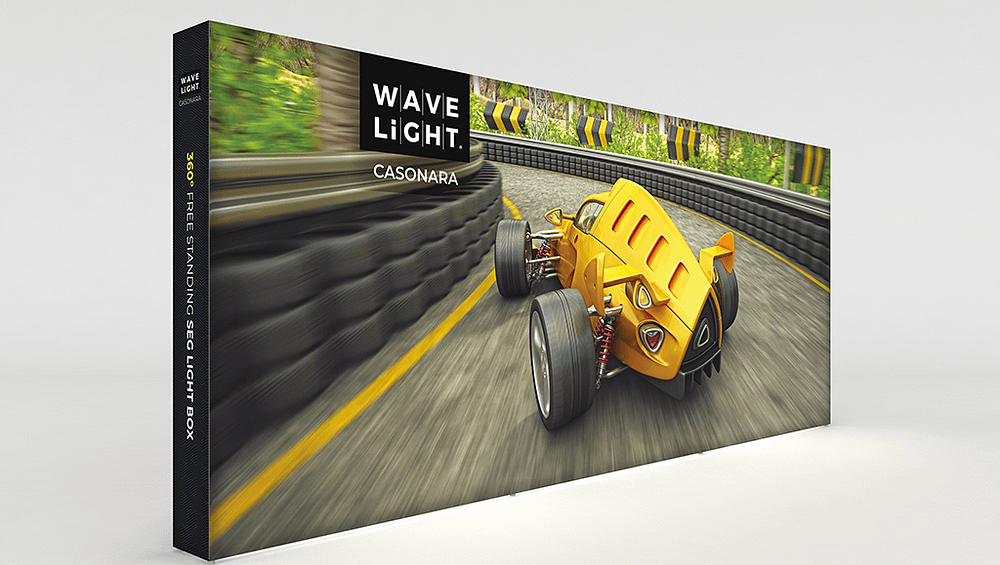
Fabric Banners are set to play a central role in Australian marketing strategies in 2026, as brands navigate tighter budgets, rising sustainability expectations and a packed calendar of in-person events. From trade shows and conferences to local festivals, retail activations and sporting fixtures, soft signage is expected to deliver more impact, more often, without driving up logistics or production costs. With dye-sublimated polyester now the dominant substrate and the domestic dye-sublimation market forecast to hit hundreds of millions of dollars in value, the stakes are high for marketers who need fabric signage that looks premium, travels easily and stands up to repeated use.
Understanding the role of fabric banners in 2026
As physical events return at scale, marketing and events teams are being asked to achieve more with fewer resources. Fabric banners respond to this challenge by combining lightweight construction with strong visual presence, allowing crews to move quickly between venues while still presenting refined, on-brand environments. The shift away from disposable PVC towards soft signage is also aligning with corporate ESG commitments, as brands seek reusable, lower-impact solutions that still satisfy risk and compliance teams. For many Australian organisations, soft signage now underpins entire event programs rather than serving as a last-minute add-on.
Choosing fabrics and finishes that match the brief
The first major decision for any campaign is fabric weight. Lightweight 120 gsm polyester supports cost-effective, high-volume roll-outs, making it suitable for short-term promotions and ceiling-suspended pieces where budget and ease of installation are critical. Mid-weight 250 gsm polyester offers a matte, more opaque finish that photographs cleanly under stage and media lighting, which is why it is favoured for media walls, press conferences and brand backdrops. Heavy 350 gsm blockout constructions are reserved for situations where bright lights, LED screens or windows risk compromising legibility, or where double sided tension fabric backdrops are required.
- Assess whether banners will be used indoors, outdoors or across both.
- Clarify if photography, video or broadcast will be a primary use case.
- Confirm how often banners will be reused and transported between venues.
- Check venue rigging options, ceiling heights and fixing restrictions before specifying hardware.
- Discuss flame-retardant and safety certifications with venues at the planning stage.
In 2026, successful soft signage programs are planned with the same rigour as media buys: every banner is expected to work hard, tour easily and support measurable outcomes.
Print quality, colour control and hardware decisions
Dye-sublimation remains the production method of choice for Australian soft signage because it embeds colour into the fibres rather than sitting on the surface. This produces rich, durable prints that resist cracking when folded or stretched across frames, a critical factor for touring events. Matte 250 gsm fabrics are particularly effective for fabric step and repeat banners, where brand marks must read cleanly in photography under mixed lighting. For indoor foyers or retail spaces, satin finishes can deliver extra vibrancy, but should always be tested under house lighting to avoid unwanted glare.
Hardware selection has a direct impact on both labour costs and long-term flexibility. Tension Fabric Displays and modular fabric exhibition systems, for example, allow teams to refresh graphics while reusing frames season after season, supporting both cost-efficiency and sustainability goals. Portable Fabric Displays and lightweight collapsible fabric displays are proving popular for regional roadshows and pop-up activations where quick set-up and pack-down are essential. For larger builds, hanging fabric exhibition signs and backlit fabric trade show walls can be integrated with existing rigging infrastructure to maximise visibility without adding clutter at floor level.
Durability, logistics and sustainability pressures
For many marketers, the practical question is not whether fabric looks good, but whether it will survive a full calendar of travel, pack-downs and venue constraints. Reusable portable fabric backdrops made from polyester can generally be folded into compact road cases, transported between states and revived with a steamer or light iron at each stop. Because prints are colourfast when produced correctly, the same set can serve multiple launches or seasons, provided artwork avoids highly time-specific information. This reusability is especially valuable in sports and retail environments where branding needs to remain consistent across venues.
Environmental performance is another increasingly non-negotiable factor in supplier selection. Recycled polyester substrates, including options designed for curved tension fabric booths and fabric exhibition banners, are becoming more accessible in the Australian market. Many print houses now complement recycled fabrics with take-back or reuse programs to extend material life and divert waste from landfill. At the same time, marketers must ensure materials meet venue safety requirements, including flame-retardant ratings for indoor arenas and enclosed spaces, as these certifications can influence lead times and overall project cost.
Fabric Banners also place new demands on creative teams, who need to think differently about scale, viewing distance and message hierarchy. Unlike small-format collateral, large-format fabric requires clear, bold layouts that can be understood quickly from several metres away. Prioritising a single headline, strong brand identifiers and a clear call to action helps visitors orient themselves in busy halls and festival sites, while secondary details can be reserved for digital channels or printed handouts. This disciplined approach to design not only improves legibility but also ensures each banner remains usable across multiple events, boosting return on investment.
For organisations managing complex calendars of conferences, expos and regional tours, working with a specialist soft signage partner can reduce risk and streamline decision-making. Experienced providers can audit venues, advise on suitable fabrics and recommend whether solutions such as fabric exhibition banners, hanging fabric exhibition signs or portable kits are the best fit. They can also coordinate artwork proofing, colour management and freight scheduling, ensuring banners arrive on time and to specification. By building a modular library of assets that combines portable fabric displays with fixed installations, brands can respond quickly to new opportunities without starting from scratch.
If your team is planning a national roadshow, product launch or series of events in 2026, now is the time to lock in your soft signage strategy and production timelines. A consultation with a specialist provider can help you compare material options, plan for venue requirements and identify where reusable solutions such as tension fabric displays or portable kits can trim costs over the life of a campaign. To explore fabrics, finishes and hardware configurations that match your brief and budget, speak with an expert production team today and request a tailored quote for your upcoming calendar.