
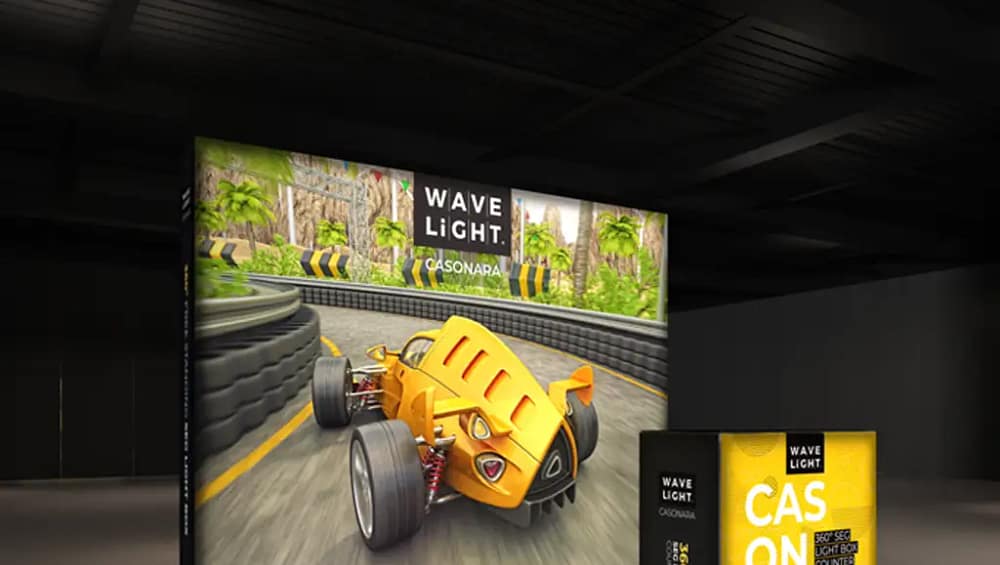
The Energy Efficiency of WaveLight® Casonara Counters Explained
The hidden energy problem behind illuminated event counters
Across Australian exhibitions, conferences and pop-up activations, energy use from lighting and display systems is becoming harder to ignore. Venues are tightening power allocations, while electricity prices and sustainability expectations continue to rise. Yet many organisers still rely on dated lightboxes, illuminated display counters and bulky cabinetry that draw far more power than necessary. What looks like a simple design choice can quietly inflate power bills, freight weights and cooling requirements, eroding the return on event investment.
Why energy efficiency in display counters now matters more
For event marketers and agencies, the shift towards energy-efficient LED display units is no longer just a nice sustainability gesture. High‑wattage globes, loose cabling and hot-running fixtures can raise WHS concerns, especially in crowded halls during summer. Venues increasingly ask exhibitors to demonstrate how their stands align with internal carbon reduction targets. When a brand arrives with power-hungry counters or high-quality exhibition stands that run hot, it risks reputational damage as well as higher technical charges on the final invoice.

Common misconceptions about backlit counters and LEDs
One of the most persistent assumptions in the events industry is that any LED-based counter is automatically efficient. In reality, the engineering behind backlit trade show counters and SEG fabric lightbox kiosks has a huge influence on power draw. Poor-quality strips, weak diffusion layers and leaky frames can create hot spots and patchy glow. Exhibitors then compensate by turning brightness up to maximum, wasting energy to mask design flaws. Without understanding these nuances, event teams may be overspending on power while thinking they have already “gone green”.
- Noticeable heat coming off counters or branded glowing event furniture during show hours.
- Frequent LED, tube or driver failures that require on-site maintenance or replacement.
- Stands needing multiple power circuits or special approvals from venue electricians.
- AV or venue contractors warning about load limits when portable LED promo counters are activated.
- Counters that look unevenly lit, forcing higher brightness settings to achieve consistent branding.
When these warning signs appear across an exhibition calendar, the cumulative impact can be significant. Freight costs rise because heavy cabinetry and modular lightbox counters require sturdier crates and more complex logistics. Cooling loads in enclosed custom retail displays increase, particularly when premium illuminated reception desks and tool-free exhibition counters run hot all day. Against this backdrop, understanding the specific energy profile of WaveLight® Casonara Counters becomes a practical way to reduce waste while preserving visual impact.
For Australian marketers under pressure to prove sustainable practice, assessing display power use is now a strategic task, not a technical afterthought. Start by requesting detailed load sheets from your suppliers, comparing how different energy-efficient LED display units perform across events and venues. If power charges, heat complaints or sustainability reporting issues keep recurring, it may be time to audit your illuminated inventory. Before the next exhibition cycle locks in more avoidable costs, consider speaking with an event display specialist to review your counters, identify inefficiencies and plan a lower-energy setup that protects both brand impact and budgets.
Call to action: Review your current illuminated counters and power bills, then speak with an exhibition display expert about smarter, lower-energy options for your next event.


