
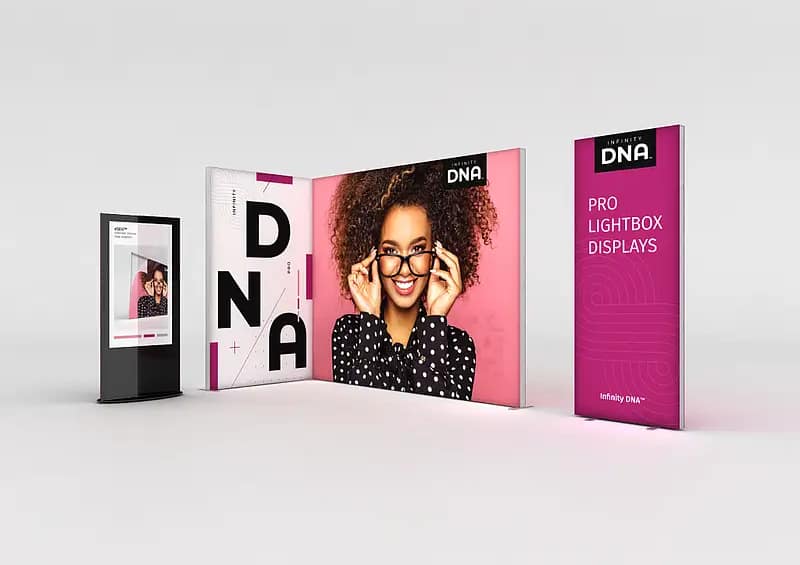
How to Evaluate Your Needs for Infinity DNA™ Pro Lightboxes
For Australian retailers, galleries, and venue managers, choosing the right illuminated signage options is no longer a simple hardware decision. The shift towards fabric-based LED display solutions means old rules about posters and static frames no longer apply. Without a structured assessment, stores can end up with lightboxes that look dull, consume too much power, or fail to support changing campaign needs. The Infinity DNA™ Pro Lightbox highlights how planning gaps can quietly erode both marketing impact and budgets over time.
Understanding the hidden risks in lightbox decisions
Many organisations still treat illuminated displays as a one-off purchase rather than a long-term communication asset. When viewing distances, dwell times, and content rotation are overlooked, even premium lightboxes can underperform. A window display that appears bright in the workshop may look washed out under harsh shopping centre lighting. Similarly, custom lightbox designs that are not modular can trap brands into expensive rebuilds every time layouts change. These issues rarely show up in a basic quote comparison.

Why lightbox planning matters for Australian sites
Local research from POPAI and Shop! ANZ shows that well-specified in-store signage can lift sales significantly, especially where foot traffic is high and dwell time is short. Yet rushed rollouts often create a patchwork of colour temperatures, frame depths, and brightness levels from store to store. This inconsistency undermines high-impact backlit branding and makes national promotions harder to execute. It also complicates maintenance, as teams juggle different spare parts, graphic sizes, and installation methods.
- Hotspots, banding, or uneven illumination across key promotional graphics
- Fabric prints that sag, crease, or fight staff during changeovers
- Lightboxes drawing noticeably more power than newer modular LED light displays
- Displays that disappear visually under strong ambient centre lighting
- Confusion about which sizes, depths, or specifications to order for each campaign
Individually, these problems may be dismissed as minor irritations or “just how it is”. Together, they signal that the original specification process failed to consider lifecycle costs and operational realities. Systems not designed around SEG fabric display systems, for instance, often require specialist installers rather than store teams. Likewise, lightweight aluminium display frames are sometimes overlooked, leading to heavy units that are costly to relocate or reconfigure.
The root causes usually fall into three areas: unclear objectives, limited site surveying, and ignoring long-term ownership costs. Few briefs quantify how often graphics will change, how many staff can assist, or whether portable illuminated booth walls are needed for events. Energy consumption, transport, and storage are rarely modelled over several years. As a result, reusable exhibition lightbox kits and custom modular signage systems are dismissed as “too premium” when they could reduce overall spend.
A structured review helps clarify where advanced systems such as the Infinity DNA™ Pro Lightbox can replace outdated units and rationalise fleets. For brands active in shopping centres, airports, and premium trade show lightboxes, the real risk is locking in another cycle of mismatched hardware. Assessing your current lightbox performance, documenting recurring issues, and speaking with a specialist in Australian LED display solutions before your next rollout can prevent avoidable waste. Take the time now to benchmark your network and request expert guidance so future campaigns are brighter, more consistent, and easier to manage.


