Australian marketers competing for attention in busy venues are increasingly turning to illuminated displays to cut through visual clutter and drive engagement. Among the most effective options are Wavelight Monolith Banners, which combine backlit impact with portability and relatively simple set-up. For brands planning trade shows, retail campaigns, or roadshows, the key question is how these systems compare with other display solutions, and when they justify the investment.
Understanding WaveLight Monolith Banners as a Solution
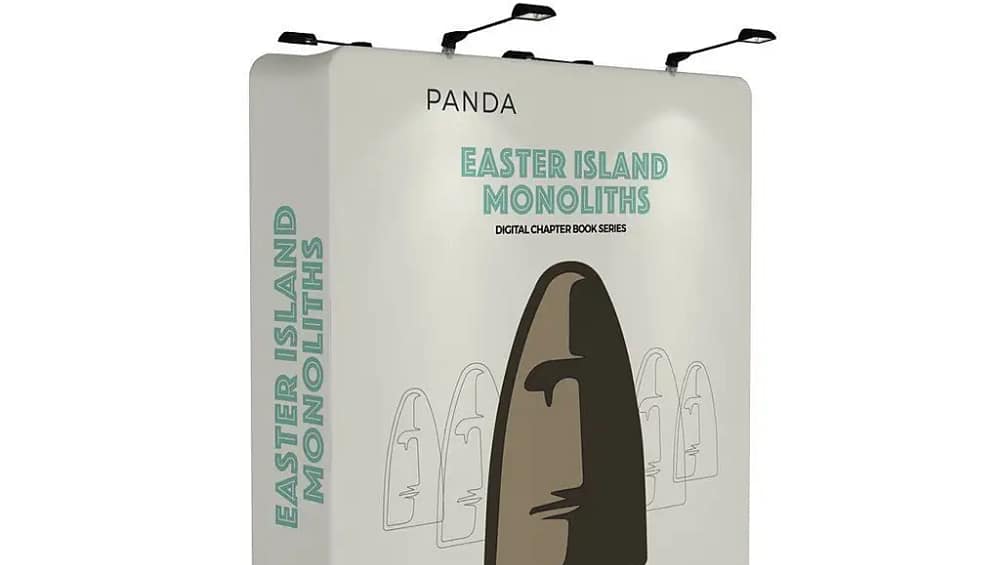
WaveLight Monolith Banners are freestanding, double-sided illuminated fabric banner stands that use internal LEDs to create a bright, even glow across tensioned graphics. In practice, they function as portable illuminated signage, providing consistent visibility in low-light halls, evening activations, and heavily lit shopping centres. Their slim footprint and lightweight event display hardware make them suitable for exhibitors working within strict stand sizes or travelling frequently between cities. For many organisations, they bridge the gap between basic portable banner stands and fully custom-built exhibition booths.
Designing for Impact with Backlit Displays
Because these units are backlit, artwork needs to be created specifically as custom backlit advertising graphics rather than repurposed from standard posters. Clear hierarchy, bold typography, and short copy help ensure messaging is legible from several metres away. High-resolution photography with strong contrast performs best on illuminated fabric banner stands, minimising wash-out when the LEDs are running at full brightness. Many Australian brands now add QR codes linked to landing pages or digital offers, allowing them to measure engagement from physical activations in real time.

Comparing Display Options and Use Cases
For solution-aware buyers, the decision often involves weighing Wavelight Monolith Banners against alternatives such as pull-up banners, seg lightbox display systems, and reusable branded display walls. Traditional pull-ups are cheaper and quicker to assemble but lack the visual punch of backlit trade show displays in dim exhibition halls. Modular lightbox systems offer greater customisation and can form full custom fabric displays, yet they are more complex to transport and build. Monolith-style towers sit in the middle: more impact than pull-ups, more agile than full booth builds, and suitable as premium exhibition banner solutions for national campaigns.
- Choose monolith banners when you need strong vertical impact in tight floor spaces.
- Select pull-up banners for low-budget, high-volume regional events.
- Consider modular lightboxes for brands needing fully integrated walls and counters.
- Use outdoor advertising solutions such as flags or mesh when exposure to weather is unavoidable.
- Combine several systems to build layered brand presence across tours or roadshows.
Evaluation should factor in venue lighting, bump-in times, staff skill levels, and how often the hardware will be reused across your promotional calendar. Businesses planning multi-stop roadshows typically value portable banner stands that pack down into manageable cases for interstate flights. Retailers rolling out seasonal campaigns may prioritise portable banner solutions that accommodate quick graphic changes over time. When budgets allow, some mix monoliths with seg lightbox display systems to create depth and variety across a stand footprint.
Because print quality, fabric choice, and LED configuration heavily influence the final result, many Australian organisations seek expert advice before committing. A specialist can help you map out how illuminated systems, reusable branded display walls, and lightweight event display hardware should work together across exhibitions, shopping centre activations, and conferences. If you are planning a national launch or regular events program, speak with a display consultant to compare options, review artwork, and confirm whether Wavelight Monolith Banners are the right backbone for your next promotional campaign.