
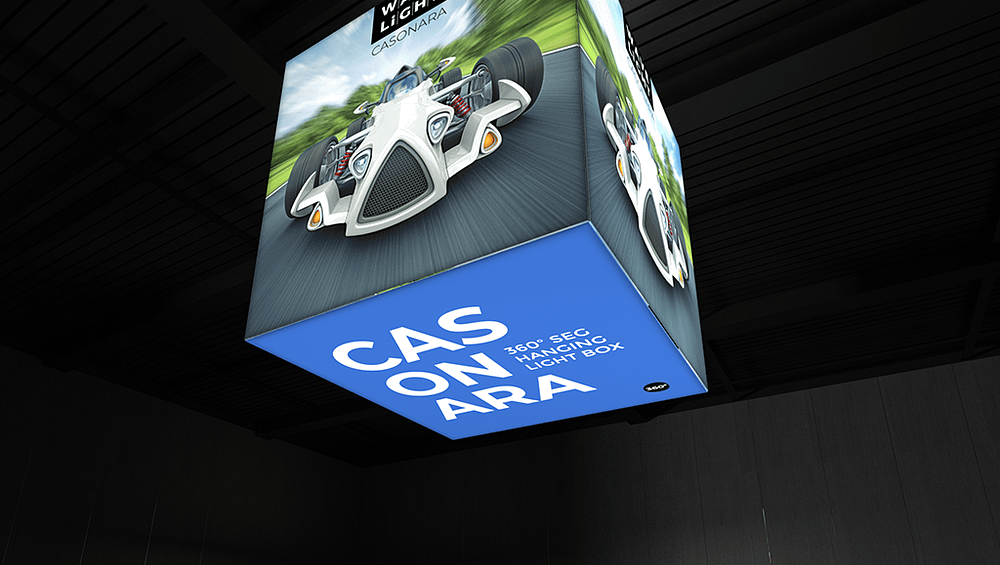
Suspended displays have become a defining tool in contemporary exhibition design, particularly in Australia where venues are growing taller, not wider. As institutions and brands compete for attention, the strategic use of vertical space can shape perception, movement, and memory far more efficiently than additional floor structures. When thoughtfully planned, Hanging Banners and related overhead formats turn otherwise dormant ceiling volume into a highly productive storytelling and wayfinding layer.
Suspended display strategy is no longer about decoration; it is about reclaiming the airspace above visitors and using it to direct attention, clarify journeys, and amplify narrative intent.
The role of suspended displays in modern exhibition design
In large Australian convention centres and gallery atriums, suspended displays now function as spatial anchors rather than theatrical novelties. Curators and marketers use Hanging Exhibition Displays to create clear visual hierarchies that cut through ambient noise and competing messages. When integrated with lighting and colour, these overhead elements become cognitive shortcuts that help visitors instantly identify zones, services, and hero content. The result is improved orientation, longer dwell times, and more predictable traffic patterns.
Suspended displays as spatial and behavioural tools
At a strategic level, suspended structures are most powerful when each element is tied to a specific behavioural objective. For example, airport-style wayfinding hangers can streamline circulation in busy foyers, while high-ceiling exhibition suspensions can slow visitors as they approach a premium showcase. By elevating critical messages, designers reduce eye-level clutter and decision fatigue. Over time, this more legible environment supports better learning outcomes in museums and higher-quality lead capture on commercial stands.
From branding to immersive storytelling overhead
Brand and cultural leaders are increasingly using Suspended Fabric Banners, sculptural forms, and projection surfaces to signal narrative transitions between themes or zones. Overhead Trade Show Displays can carry bold, simple messages that are readable from a distance, leaving finer detail for ground-level interpretation. Techniques such as double-sided hanging graphics, large-scale ceiling banners, and curved suspended display systems allow designers to choreograph sightlines from every approach. In practice, this turns the ceiling into a dynamic storytelling plane rather than passive infrastructure.
From an operational perspective, the newest lightweight tension fabric hangers, aluminium frames, and LED integrations are reshaping project economics. These systems reduce freight volumes, speed up rigging, and support modular overhead signage kits that can be re-skinned across touring exhibitions. For institutions focused on sustainability, the ability to specify recyclable textiles while relying on robust engineering standards is critical. Especially in Australia’s evolving safety environment, specialist rigging knowledge, compliant fixings, and conservative load calculations are non-negotiable foundations.
Looking ahead, the most successful programs will treat suspended media as a permanent layer in the experience masterplan, not a last-minute add-on. Leaders should audit ceiling heights, services, and structural constraints early, then prototype 360-degree visible trade banners or high-impact feature pieces using simple mock-ups or VR. The goal is to define where overhead interventions should attract, orient, inform, or immerse. To refine your own approach, review current galleries, foyers, and event kits through this lens and engage an exhibition specialist to stress-test your suspended display strategy.
Next step: Assess your upcoming exhibition or trade stand and identify at least one area where a suspended feature could declutter the floor while improving visibility and wayfinding, then consult with your design or production partner to validate feasibility and rigging requirements.


