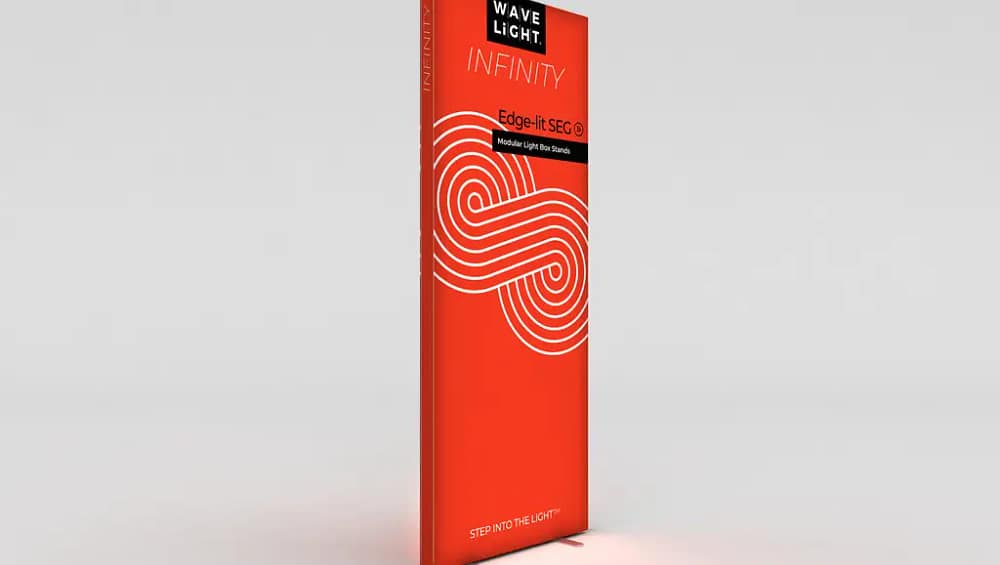
Australian brands are under pressure to cut through visual noise at exhibitions, retail fit-outs and corporate events, and illuminated display solutions are becoming a go-to answer. Among these, the WaveLight® Infinity SEG Lightbox offers a way to turn flat visuals into high-impact features that hold attention in bright venues. Understanding how these systems work, and how they differ from other options, helps marketers choose the right setup for their space, budget and campaign goals.
Understanding Modern SEG Lightbox Solutions
Unlike traditional posters or snap frames, fabric lightbox advertising uses tensioned textile graphics with a silicone edge that slots neatly into an aluminium frame. LEDs sit inside the frame to push light evenly through the fabric, creating a clean, frameless look that suits contemporary Australian retail and event design. This approach supports SEG lightbox branding that can be updated quickly without tools, reducing wear and tear compared with older rigid substrates.
How WaveLight® Infinity SEG Lightboxes Work
Backlit systems like these place LED modules behind the graphic rather than around the outer edge, delivering more consistent illumination across large surfaces. When paired with premium SEG graphics produced via dye-sublimation, colours remain rich and gradients smooth, even under harsh convention centre lighting. The same frame can host seasonal campaigns, product launches or sponsorship messages, functioning as one of the more reusable lightbox systems on the market for multi-event programs.

Comparing Backlit and Edge-Lit Lightbox Options
When weighing up backlit units against edge-lit fabric displays, the decision often comes down to scale, brightness and budget. Edge-lit frames can work for smaller panels or softer ambient settings, while backlit trade show lightbox frames usually perform better on large stands where overhead rigging and spotlights can wash out weaker visuals. For brands seeking modular illuminated backdrops that connect into long walls, backlighting tends to reduce visible hotspots and dark patches at joins.
- Assess venue lighting at locations like ICC Sydney or MCEC to determine the brightness level you need.
- Consider portable LED display walls if you exhibit across multiple Australian cities and need compact freight.
- Plan custom SEG lightbox designs that line up across multiple frames for a continuous storytelling canvas.
- Factor in how often campaigns will change to justify investment in retail SEG display solutions.
- Balance upfront costs against multi-year use, particularly where SEG lightbox branding supports recurring events.
For marketers and event managers, the key question is less about whether to use lightboxes at all and more about which specification best aligns with their objectives. A WaveLight® Infinity SEG Lightbox can suit brands looking for high-impact hero visuals, while smaller edge-lit units may still have a role for directional signage or secondary messages. Speaking with an exhibition specialist who understands fabric systems, portable hardware and reusable lightbox systems can clarify the trade-offs. To compare options for your next Australian event or fit-out, consider booking a consultation and reviewing site photos, artwork and timelines with an expert team before you commit.