
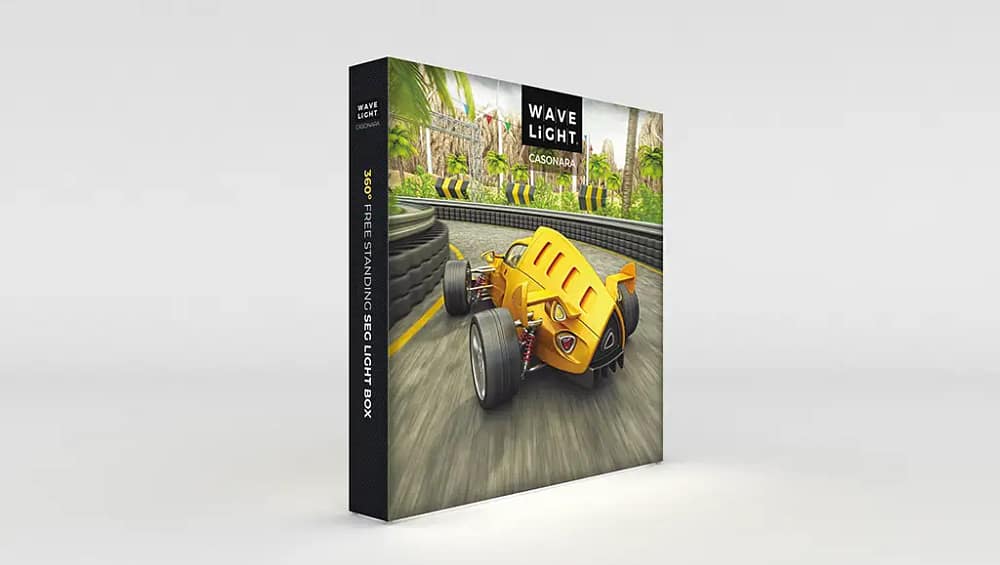
Comparing WaveLight® Casonara Lightboxes to Standard SEG Displays is no longer an abstract technical debate for Australian marketers; it is a strategic decision about how to earn attention in highly contested spaces. In exhibition halls, shopping centres, and airport concourses, illuminated display solutions are fast becoming the benchmark for brands that want to translate media-quality creative into the physical environment.
In a market where every square metre must deliver measurable impact, the right lightbox technology becomes a performance asset, not just a fixture.
Why the WaveLight® Casonara Lightbox Debate Matters Now
The WaveLight® Casonara Lightbox versus standard SEG choice reflects a broader shift towards experience-led retail and events in Australia. As dwell times shorten, brands need displays that cut through ambient noise and inconsistent venue lighting. Backlit trade show displays and high-impact retail lightboxes are becoming central to how marketers frame their hero narratives and differentiate from competitors using generic hardware.
Technical Differences That Drive Commercial Outcomes
Under the surface, the distinction between these systems is more than illumination. Standard SEG relies on ambient light, which can weaken contrast, introduce shadows, and reduce legibility at distance. By contrast, premium illuminated SEG walls with integrated LEDs create controlled, even brightness that keeps colour consistency stable across different venues. For brands investing heavily in photography and colour-critical assets, that consistency directly protects creative quality and brand equity.

Strategic Display Planning for Australian Brands
For premium, design-led marketers, the WaveLight® Casonara Lightbox often earns its keep through stronger stopping power, higher photo shareability, and more reliable performance across locations. However, it is rarely a binary choice. Many brands are adopting modular lightbox booth systems for focal points, supported by reusable LED display frames and large-format fabric light walls for broader coverage. This hybrid approach enables testing of content, placements, and formats without overcommitting capital.
Decision-makers should assess lifetime value, not just purchase price. Illuminated units can extend the relevance of creative as environments change around them, while non-lit frames may need more frequent refreshes to remain competitive. When combined with energy-efficient exhibition lighting, modern LEDs help manage operational costs, particularly for multi-day events and long-term retail installs. Portable SEG lightbox kits and portable advertising displays then add agility for regional shows and pop-up activations.
The next step is to map your current physical touchpoints and identify where custom lightbox designs could most influence consideration, navigation, or conversion. Prioritise hero zones, key traffic intersections, and photo-friendly backdrops before rolling out more broadly. To make that assessment robust, schedule a review of your exhibition and retail display strategy with a specialist and benchmark performance before your next major campaign.
To explore whether a phased upgrade, hybrid ecosystem, or full transition to illuminated systems is right for your brand, speak with an expert and pressure-test your assumptions now—before your competitors reset the visual standard in your category.