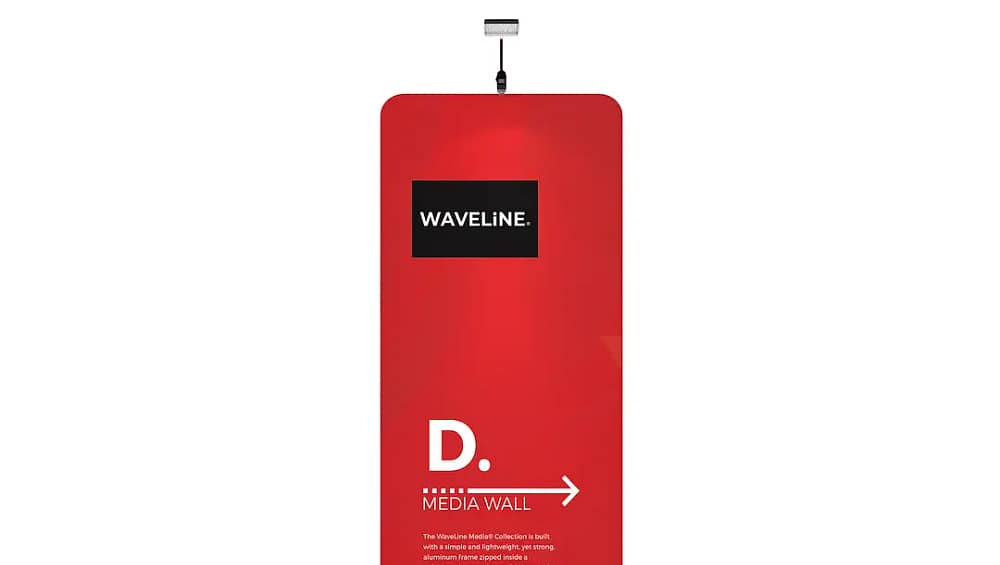
Modern event teams are under pressure to keep graphics looking pristine from show to show, which is why cleaning and care are now central to how Australian brands manage Wavelight Tension Fabric Banners. These backlit systems rely on tensioned polyester, silicone edges and LED frames, so the right maintenance approach can significantly extend print life, colour accuracy and structural integrity. At the same time, poor cleaning choices can cause stretching, dulling or patchy light diffusion that undermines the premium look exhibitors expect.
How tension fabric structures respond to cleaning
Tension graphics are typically made from dye-sublimated polyester knit, where ink bonds directly into the fibres rather than sitting on top. This construction means gentle washing is usually safe, but harsh chemicals or bleaching agents can strip coatings and affect how evenly light passes through high-resolution fabric backdrops. The silicone edge that locks into aluminium frames also needs protection, as strong detergents or excessive heat can cause warping and compromise tension. For organisers investing in custom fabric displays, understanding these material limits helps them choose cleaning methods that preserve both print and hardware.
Everyday maintenance and spot-clean strategies
For most Australian venues, day-to-day care starts with dry cleaning methods that remove dust and lint without introducing moisture. Soft microfibre cloths, anti-static dusters and low-suction vacuums with clean brush heads work well on fabric trade show displays immediately after bump-out. When makeup, food or fingerprint marks appear, a mix of mild liquid detergent and cool to lukewarm water allows careful spot cleaning without scrubbing the fibres. This low-impact approach suits portable display systems that travel frequently and need to look fresh in shopping centres, foyers and conference halls without constant reprints.

Deep cleaning, washing and storage options
When banners need a full refresh, many suppliers confirm that machine washing is suitable on a gentle cycle around 30°C, provided the fabric is removed from the frame and all zips are closed. Front-loading machines are preferable, as centre agitators can distort lightweight tension graphics and disturb the precise fit required for tool-free display frames and curved tension fabric walls. After washing, air-drying flat or on a clean line helps avoid shrinkage that could affect modular fabric signage or reusable event display kits. Proper storage in breathable bags, kept away from heat and moisture, reduces the risk of mould and stubborn odours between events.
- Choose mild detergents and cool water to protect colour accuracy and light diffusion.
- Avoid bleach, fabric softeners and aggressive stain removers that can damage fibres.
- Use front-loading machines and never tumble-dry tension banner solutions.
- Allow fabrics to dry completely before packing to prevent mould growth.
- Inspect seams, zips and silicone edges regularly to maintain tension and fit.
For brands relying on Wavelight Tension Fabric Banners as centrepieces of portable banner stand systems, there comes a point where professional cleaning or full reprints become more effective than constant spot treatment. Persistent stains, stretching or visible light banding may signal that new graphics will deliver sharper results and better value over multiple campaigns. Working with an Australian display specialist helps teams assess whether new lightweight tension graphics or upgraded tool-free display frames will improve impact and simplify upkeep. To compare cleaning-friendly tension banner solutions and discuss the best mix of fabric care, replacements and upgrades for your next event, book a consultation with a display expert today.