
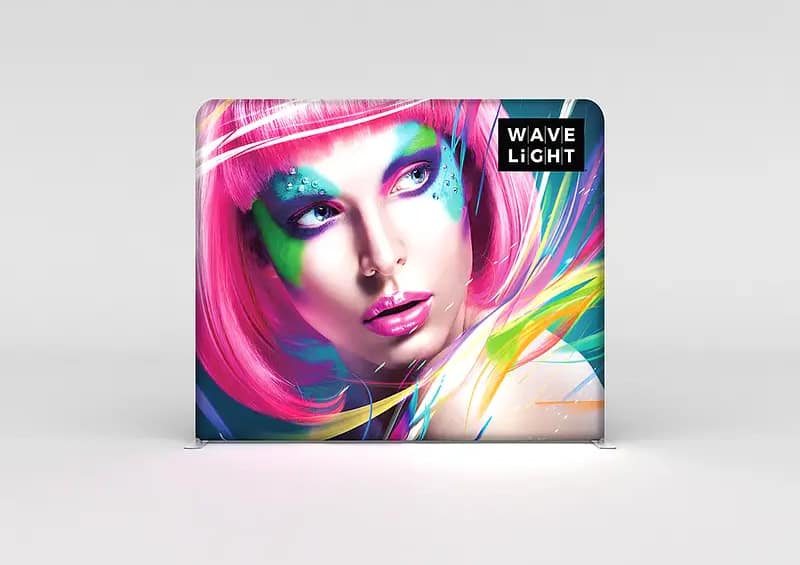
The durability of WaveLight® LED Lightbox technology is reshaping how Australian marketers think about illuminated display solutions, especially in high-pressure exhibition and retail environments. With touring schedules intensifying and budgets under scrutiny, the question is no longer just how bright a display looks on day one, but how reliably it performs after years of transport, installation, and extended operating hours. This shift is pushing decision-makers to treat hardware longevity as a core strategic lever rather than a technical footnote.
Durability is fast becoming the real ROI metric for illuminated displays, determining whether a brand’s visual presence can keep pace with its campaign ambitions.
The construction principles behind durable LED lightboxes
Modern LED fabric systems balance lightweight engineering with structural strength, allowing frequent bump-in and bump-out without compromising performance. Robust aluminium frames, tensioned fabric SEG lightbox graphics, and cool-running LEDs collectively reduce stress on components that traditionally failed first, such as tubes and transformers. Edge-lit configurations also help distribute light evenly, protecting diodes from heat build-up and minimising hotspots that age hardware prematurely. For marketers, these engineering details translate directly into fewer failures mid-campaign and more predictable maintenance planning.
What makes the WaveLight® LED Lightbox a strategic asset
One of the most compelling durability features is the separation of graphics from electronics, enabling fabric skins to be changed quickly while the lighting hardware remains untouched. This design supports agile campaign cycles, where creative can turn over rapidly without increasing risk to the underlying system. When combined with modular exhibition lightboxes that can be reconfigured across venues, brands gain a long-lived platform for evolving stories. Over time, this approach supports more disciplined capital expenditure and reduces pressure on event teams managing tight schedules.

Durability, sustainability, and total cost of ownership
In the Australian market, where freight between cities is expensive and labour costs are high, durable hardware has clear environmental and financial benefits. Longer-lived LED engines support energy efficient LED signage strategies, cutting replacement cycles and reducing waste to landfill. When brands reuse frames and lighting with new creative, they move closer to a circular model of retail backlit branding and event production. Over three to five years, these efficiencies can outperform cheaper options that require frequent replacement, even if the initial outlay is higher.
Durable systems also unlock new creative opportunities, from high impact visual displays in flagship retail to trade show lightbox displays that tour nationally. Teams can invest in more sophisticated custom lightbox designs, confident they will stand up to transport and repeated installation. For portable advertising signs and portable LED display systems, this resilience is critical when equipment is handled by multiple crews across venues. The strategic question becomes how to build a reusable illuminated frames ecosystem that supports both brand consistency and campaign flexibility.
Next step: Review your current illuminated signage and identify which elements are failing first – graphics, frames, or lighting. Then speak with a display specialist about transitioning to a durable, modular LED lightbox platform that can support your brand for multiple campaigns and locations.


