
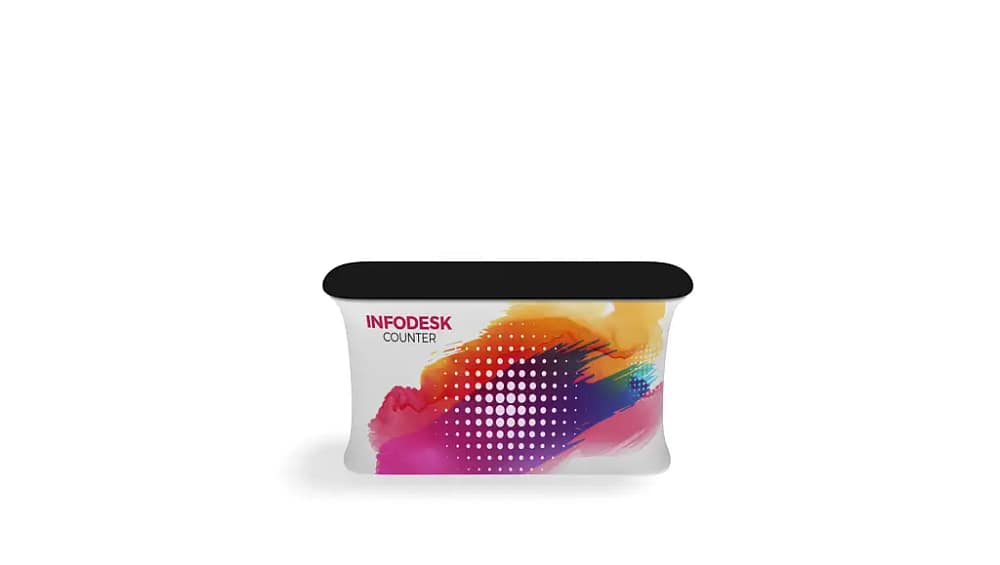
Exploring the Different Sizes and Shapes of WaveLine® InfoDesks is no longer a purely aesthetic exercise for Australian exhibitors. In a market where brands compete for seconds of attention, the counter has become a strategic touchpoint that shapes visitor journeys, data capture and perceived professionalism. Senior marketers now treat counters as decision-critical infrastructure, planning them with the same rigour applied to media schedules or sponsorship investments.
In contemporary exhibition programs, counters are no longer passive fixtures; they are active drivers of engagement, brand clarity and operational efficiency.
Rethinking counter size as engagement infrastructure
Size selection should begin with intent, not catalogue browsing. Smaller formats suit branded sampling stations, lead-capture pods and trade show information kiosks positioned at the edge of a stand. Mid-sized options create a clear, confident welcome zone and support structured conversations. Larger footprints enable multi-staff service areas, demo surfaces and meaningful storage, operating as true program hubs. The most effective planners map traffic flows and allocate portable exhibition counters specifically to relieve congestion while protecting open sightlines.
Shapes that choreograph behaviour and perception
Shape choices quietly choreograph how visitors move and how your team works. Curved and oval profiles encourage approach from multiple directions, ideal for island sites or experiential zones using tension fabric reception counters. Rectangular or square forms communicate order, better suited to check-in, scanning or form-filling. Circular shapes can signal innovation and support 360-degree demos, particularly for tech or education brands. Strategically combining silhouettes within one footprint helps clarify functions, such as separating enquiry points from consultation or product trial areas.

From one-off unit to modular program asset
Forward-looking teams now treat counters as reusable event display furniture rather than one-off purchases. By planning families of modular display counters, marketers can reconfigure layouts across conferences, roadshows and consumer activations without re-buying hardware. Interchangeable graphics enable rapid pivoting between campaigns or product lines, supporting custom display solutions while protecting budgets. When combined with portable trade show desks and compact shipping-friendly counters, this ecosystem approach also aligns with sustainability targets and procurement expectations.
Design decisions should consider both visitor experience and backstage realities. WaveLine® InfoDesks need to route power, hide cables and secure devices without cluttering the surface. Storage for collateral, merchandise and personal items should be integrated, not improvised on show day. For brands seeking custom exhibition counter solutions, factoring in accessibility, inclusive heights and future technology integrations is critical. The most strategic Australian marketers now audit their counter portfolio annually to ensure it still matches audience behaviour, channel mix and measurement goals.
Next step: Review your current counter mix against traffic patterns and campaign goals, then consult an exhibition specialist to model two or three versatile layouts you can roll out across your full event calendar.


