
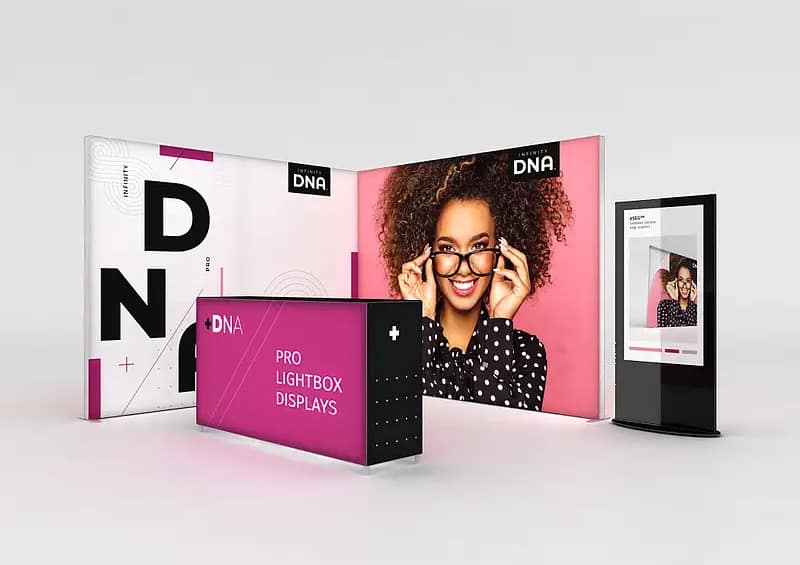
The Environmental Benefits of Using Infinity DNA™ Pro Lightboxes extend far beyond brighter shopfronts. Across Australia, many retailers, airports and exhibition venues still rely on outdated fluorescent and halogen displays that quietly drive up electricity use, maintenance costs and carbon emissions. As ESG reporting and energy disclosure rules tighten, ignoring the hidden impact of illuminated signage is becoming a growing liability for brands that trade on sustainability credentials.
The Hidden Footprint of Traditional Lightboxes
Conventional lightboxes are notoriously inefficient, often consuming 60–80% more power than modern LED display solutions in comparable conditions. They also generate considerable heat, forcing air-conditioning systems to work harder and inflating building energy loads. Frequent lamp failures create ongoing waste streams of tubes, packaging and replacement parts. In busy centres, mercury-containing fluorescents are rarely disposed of correctly, posing long-term environmental and compliance risks.
Why Upgrading Lightboxes Matters for Sustainability Goals
For retailers and property managers chasing energy reductions, display lighting is an easy area to overlook. Yet 24/7 illuminated signage options can draw significant base-load power, undermining efficiency gains made elsewhere. Over a five-year period, unnecessary consumption from a single legacy installation can equate to tonnes of avoidable emissions. When multiplied across national store networks, this becomes a serious obstacle to credible sustainability reporting and net-zero roadmaps.

Warning Signs Your Displays Are Wasting Energy
There are clear indicators that your displays are underperforming. Persistently hot lightbox surfaces, dark spots where tubes have failed and a faint electrical hum all suggest ageing hardware. Frequent call-outs for re-lamping or emergency repairs signal an inefficient, failure-prone system. If your power bills spike during extended trading hours or seasonal campaigns, legacy fittings may be driving up costs even more than high-impact custom backlit retail graphics or premium SEG fabric lightwalls.
- Lightboxes feel hot to the touch during normal trading hours.
- Visible banding, flicker or dark patches appear across campaign creative.
- Maintenance teams are constantly replacing tubes, ballasts or drivers.
- Old frames are discarded instead of re-skinned, creating unnecessary landfill.
- Pop-up events require additional cooling or ad-hoc energy-efficient trade show lighting workarounds.
Modern systems take a different approach, using reusable modular display frames and lightweight aluminium display structures designed for longevity and easy re-skinning. When paired with sustainable LED light displays, modular illuminated signage systems and custom lightbox designs can significantly reduce material turnover and freight emissions. For touring activations, eco-friendly exhibition lightboxes also cut the volume and weight of equipment moved between venues, further lowering the environmental footprint.
The Infinity DNA™ Pro Lightbox is engineered around high-output, low-energy LEDs that support versatile LED display solutions while slashing operational consumption. By planning campaigns with reusable frames, sustainable LED light displays and thoughtfully specified illuminated signage options, organisations can align brand presence with environmental responsibility. If your current hardware locks you into wasteful one-off builds instead of adaptable modular illuminated signage systems, it may be time to reassess your display strategy.
If your organisation is preparing a store refresh, national rollout or new tenancy, consider an independent energy and lifecycle review of your illuminated assets before committing more budget to outdated technology. Assess how much power your current system draws, how often components are replaced and how frequently frames are scrapped instead of reused. Then speak with a specialist who can help benchmark your performance and explore whether advanced, energy-conscious display solutions will better support your environmental and commercial objectives.


