
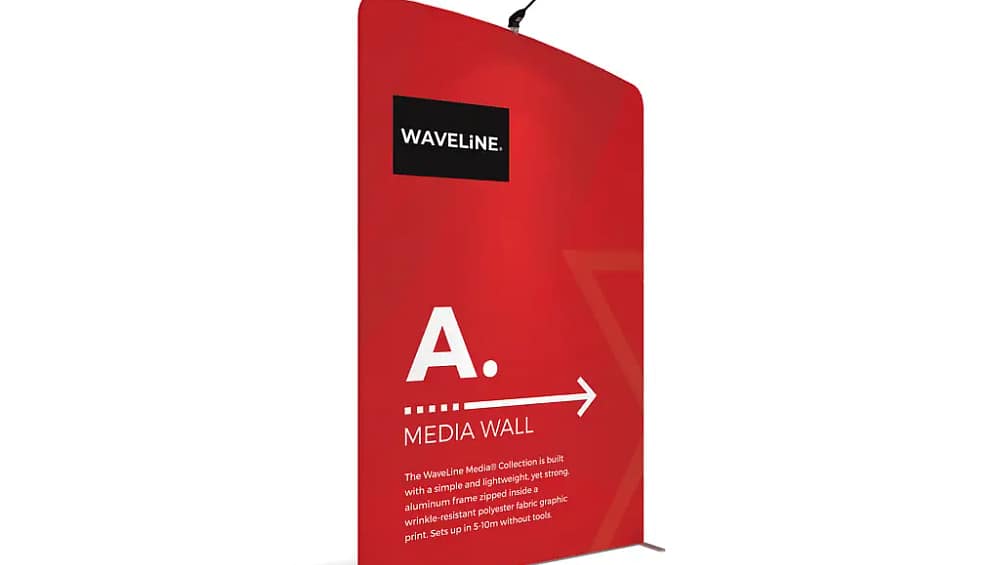
WaveLight® Tension Fabric Banners vs. pull-up banners has become a live question for Australian marketers under pressure to stand out at expos, conferences and retail activations. Both are part of the wider world of portable display systems, but they solve slightly different problems. Understanding how each works, and where each shines, is essential before you commit marketing budget or lock in an event kit for the year.
How WaveLight® Tension Fabric Banners work
WaveLight® Tension Fabric Banners use a lightweight aluminium frame and a stretch fabric sleeve that zips tight, creating a smooth, crease-free surface. Many models are backlit, with LEDs positioned inside the frame so high-resolution fabric graphics glow evenly in dim exhibition halls. Because the fabric can often be folded, machine-washed and re-skinned, these systems appeal to brands running national roadshows needing reusable event display systems. For marketers aiming to elevate their stand presence, these custom fabric displays can double as trade show fabric backdrops or media walls.
How pull-up banners compare in everyday use
Pull-up banners house a printed vinyl or fabric panel inside a base, which retracts for protection during transport. They set up in under a minute, making them a staple for sole traders, regional roadshows and small government programs that need fast, low-fuss visibility. Their compact footprint suits training rooms, networking breakfasts and community events where space is tight. While they can be visually effective, they rarely match the premium look of portable tension fabric signage or lightweight fabric banner stands in high-stakes exhibition environments.

Key decision factors for Australian events
When comparing tension banner solutions with pull-ups, visual impact and longevity are critical. Backlit frames and curved tension fabric walls tend to command more attention across a show floor than standard retractables, particularly under harsh venue lighting. On the other hand, pull-ups usually win on upfront price and can still play a useful supporting role alongside modular fabric banner kits. It is also worth considering how often your message changes and whether tool-free display frames that accept new skins will spread costs over multiple campaigns.
- Assess venue lighting and sightlines to decide whether backlighting will materially lift stand visibility.
- Map event frequency and travel demands to judge whether reusable frames will offset higher initial costs.
- Consider storage constraints and transport, especially if staff rely on small vehicles or public transport.
- Review sustainability goals, as fabric-based portable display systems can reduce replacement waste.
- Check how easily staff can assemble and repack displays without tools or technical support.
For brands planning a calendar of expos, pop-up promotions and shopping centre activations, Wavelight Tension Fabric Banners can anchor a cohesive suite of portable tension fabric signage. Pairing these with a few strategic pull-ups can create layered messaging zones without blowing the budget. Before investing, many Australian marketers book a short consultation to walk through floor plans, artwork and hardware samples, ensuring their chosen mix of portable display systems will perform in real venues. To clarify your options and build a fit-for-purpose kit, request expert advice and compare how each solution will look, travel and last across your next year of events.


