
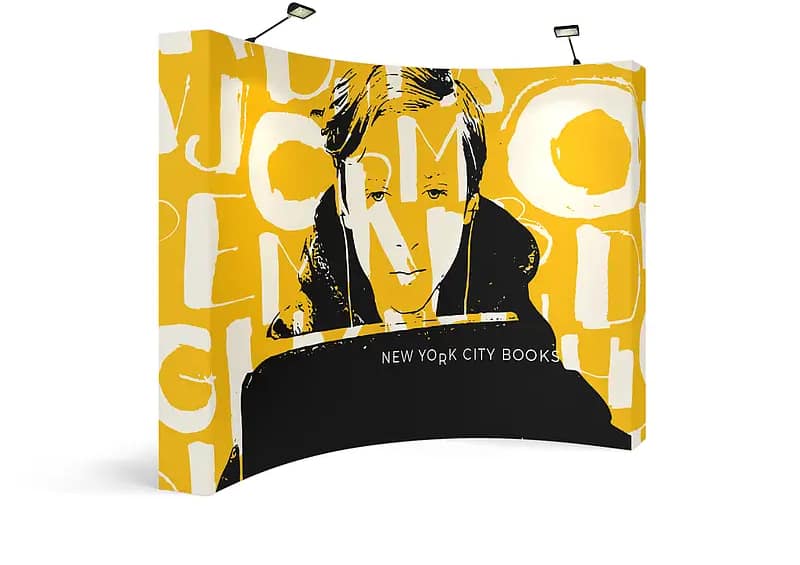
How OneFabric® Pop-Up Banners Simplify Event Setup
For Australian marketers, short bump-in windows, union rules and strict OH&S requirements make setup speed a constant pressure. OneFabric Pop-Up Banners offer a streamlined option for organisations that need portable advertising solutions without compromising on brand impact. Instead of wrestling with tools and multiple components, crews can focus on conversations and lead capture while the backdrop quietly does its job. This shift towards simpler, lighter hardware is reshaping how brands plan their national expo schedules, from Sydney and Melbourne through to regional field days and roadshows.
How fabric pop-up systems actually work
Modern fabric pop-up systems use a lattice-style, tool free display system that expands in a single motion. The printed textile skin is pre-attached to the frame, so staff simply pull the structure open, lock it in place and the wall is ready for action. Because the graphic remains on the frame between events, there is no need to realign panels or worry about visible seams on branded display backwalls. This design typically cuts assembly to under ten minutes, even for first-time users, and reduces reliance on specialist installers or venue-approved contractors.
Comparing display options for trade shows and conferences
When selecting event marketing tools, teams often weigh OneFabric-style systems against roller banners, traditional shell-scheme upgrades and custom fabric displays. Roll-up units are compact but can create a fragmented look when several stand side by side, while larger modular event branding can demand more labour, freight and storage. Pop-up fabric walls sit in the middle: they travel as compact exhibition banners yet expand to fill a standard 3×3 or 6×3 metre booth. For many brands, this provides an efficient alternative to heavier portable trade show displays and rigid panels that are harder to transport interstate.

Key advantages and limitations to weigh up
For Australian venues that restrict heavy rigging or fixed walls, lightweight fabric backdrops provide a compliant, freestanding alternative. Dye-sublimated graphics can be machine-washed and reused across multiple circuits, giving marketers genuinely reusable event signage. However, pop-up frames are typically best suited to straight or slightly curved backdrops rather than highly sculptural stands. Brands needing intricate, multi-zone experiences may still favour modular builds or tension fabric pop up stands for hero spaces. Understanding these trade-offs helps teams match hardware to their actual schedule, freight allowances and staffing levels.
- Consider stand size and ceiling height to ensure your backdrop scales effectively.
- Check baggage and freight limits if your team regularly flies to events.
- Plan artwork that can work across multiple campaigns with minimal updates.
- Assess how counters, lighting and accessories will integrate behind the line.
- Factor in how quickly small teams must bump in and out under venue rules.
Choosing the right system means looking beyond the banner itself to the whole kit. Marketers should review how OneFabric Pop-Up Banners will pair with modular counters, brochure holders and compact lighting to create cohesive branded spaces. Some teams supplement a main wall with smaller compact exhibition banners to signpost product zones or demo areas. Others prefer a single hero backdrop that doubles as a media wall for photos and social content. Whatever the approach, aligning hardware with budgets, storage and long-term roadshow plans is more sustainable than re-buying assets each season.
For organisations unsure where to start, speaking with a display specialist can clarify the mix of tool free display systems, fabric walls and accessories that best suit their program. An expert can model how different portable trade show displays will look in a standard booth, check artwork suitability and suggest modular event branding that can grow with your calendar. Before locking in your next stand, review how your current setup performs under pressure. If bump-in regularly feels rushed or chaotic, now is the time to compare your options, seek tailored advice and book a consultation to map out a more streamlined, future-ready display kit.


