
In crowded Australian retail centres, events, and transit hubs, the choice between single-sided and double-sided lightboxes is often treated as a minor detail. In reality, it can quietly create a costly visibility gap, undermining even the strongest creative and premium illuminated fabric displays. When brands assume any lit frame will do, they risk paying for illuminated display solutions that large sections of passing foot traffic never actually see.
How Visibility Gaps Quietly Erode Campaign Performance
Many marketers only realise there is a problem after a campaign underperforms, despite solid media placement and sharp artwork. A single-sided frame fixed flat to a wall can be effective in narrow corridors, yet becomes almost invisible in open-plan concourses or centre courts. Conversely, double-sided units pushed up against a wall waste half their output, a common issue in fabric lightbox advertising across major Australian shopping centres and airports.
Single-Sided vs Double-Sided: The Misalignment Problem
The decision is often made on upfront price rather than traffic patterns and sightlines. Single-sided frames suit menu boards, wayfinding, or edge-lit retail lightbox displays where people approach from one direction. Double-sided units are designed for island placements and hanging installs, where crowds flow from multiple angles. When these formats are swapped or misused, brands effectively buy space they do not illuminate, weakening the impact of SEG lightbox advertising graphics and wasting campaign budget.

Warning Signs Your Lightbox Configuration Is Failing
Red flags often appear on the floor long before they show up in reporting dashboards. You may see people routinely passing the rear of your display without even glancing at it, or notice dark “dead zones” in your shopfront where product stories simply disappear. Staff might keep shifting portable LED lightbox displays in an effort to “catch more eyes”, while designers strip back detail so it can still be read from awkward angles or distances.
- Foot traffic approaches your site from both directions, but only one face of your display is active.
- Key offers are visible from inside the store, yet almost invisible from the main concourse or platform.
- Your trade show fabric lightboxes draw attention front-on but vanish for visitors moving along side aisles.
- Creative teams constantly reformat artwork to “fit” the frame instead of designing confidently for the space.
- You are paying premium rent for a location but relying on outdated or underpowered custom backlit SEG frames.
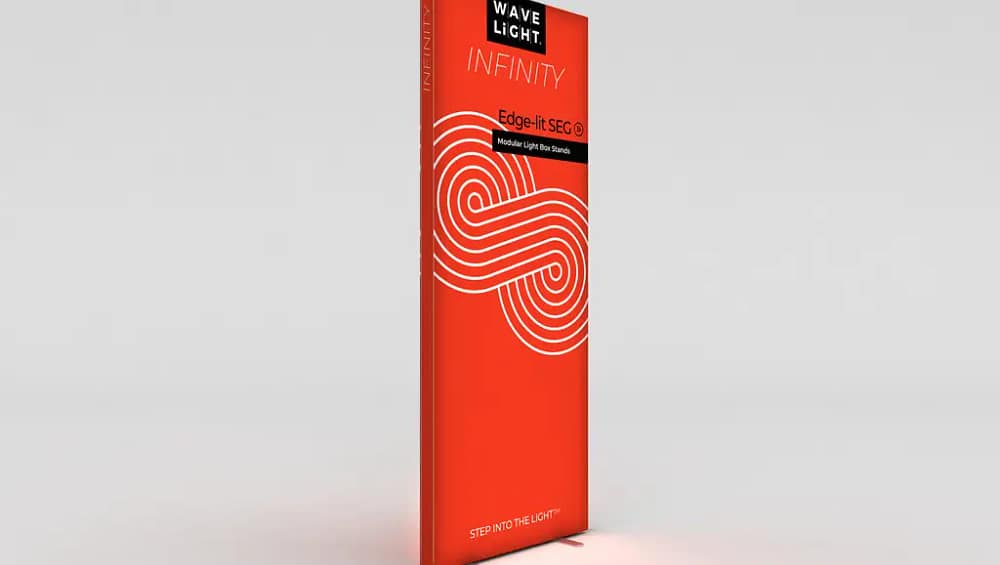
Modern modular illuminated SEG systems are revealing how much performance is lost through format misalignment alone. The WaveLight® Infinity SEG Lightbox, for example, is engineered to maximise viewing angles and brightness, turning the same artwork into high-impact SEG display solutions across open retail floors, exhibition halls, and transit hubs. When these systems are configured correctly, custom SEG lightbox designs can finally match the true potential of the site.
Because every site has its own mix of ceiling heights, approaches, and dwell points, there is no universal rule for when to choose single or double-sided frames. A short audit of where customers enter, pause, and exit will quickly show whether your current set-up is under-specifying or over-specifying illumination. For complex fit-outs or national rollouts involving multiple locations, speaking with a specialist in custom SEG lightbox designs and illuminated display solutions can help you avoid long-term inefficiencies. Before your next campaign, assess how well your current lightboxes match real traffic flows and book a consultation with an expert to recalibrate your configuration before the next media cycle locks in.


